Dimethyl Disulfide: Growing Market Demand and Emerging Research Trends
Dimethyl disulfide (DMDS, CAS No. 624-92-0) has experienced significant growth in market demand in recent years, accompanied by continuous advancements in scientific research. As its applications expand across multiple industries, DMDS continues to attract increasing attention from both industrial users and researchers.
Growing Market Demand
The rising demand for DMDS is largely driven by its wide range of industrial applications.
In agriculture, DMDS is widely recognized as an efficient and environmentally friendly soil fumigant for controlling nematodes. With the Chinese Ministry of Agriculture and Rural Affairs planning to introduce regulatory measures for chloropicrin in July 2024, the phase-out of chloropicrin is expected to accelerate, creating broader market opportunities for DMDS as a promising alternative. In addition, DMDS serves as an important intermediate in the production of many high-efficiency, low-toxicity pesticides. As sustainable agriculture and environmentally responsible crop protection continue to gain global attention, the development and use of new pesticides are increasing, further driving demand for DMDS.
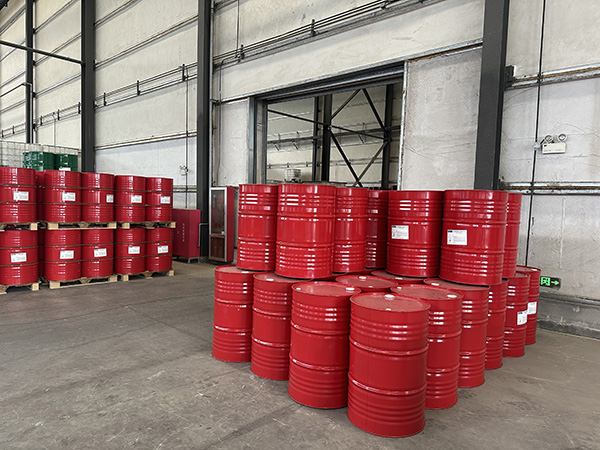
Within the petroleum and natural gas industry, DMDS is commonly used as a catalyst promoter in desulfurization processes to help reduce sulfur levels in fuels. As environmental standards for clean fuels become increasingly stringent, refineries are expected to increase their consumption of DMDS to comply with these regulations. Furthermore, DMDS can form a protective layer on metal surfaces, helping to minimize corrosion caused by acidic gases such as hydrogen sulfide during oil and gas extraction and processing. This corrosion protection function further supports the growing demand for the product.
In the pharmaceutical sector, DMDS is an important intermediate for synthesizing a variety of active pharmaceutical ingredients, including anti-cancer and cardiovascular drugs. The increasing global aging population and growing healthcare needs continue to expand pharmaceutical production, resulting in higher demand for DMDS. Its use can improve reaction conditions during drug synthesis, increase product yield and purity, lower manufacturing costs, and enhance overall production efficiency.
Beyond these industries, DMDS is also used as a flavor ingredient in food formulations to improve aroma and taste. As consumer demand for premium food products and daily consumer goods continues to rise, the market for high-quality flavor and fragrance ingredients is expanding, supporting additional demand for DMDS. Moreover, it functions as a rubber vulcanization agent, improving vulcanization efficiency and enhancing the physical and chemical properties of rubber products. The continuous growth of the rubber industry has also contributed to increasing market demand for DMDS.

Emerging Research Trends
Alongside its expanding commercial applications, DMDS has also become the focus of numerous scientific studies.
Researchers from the Soil Pest Control Innovation Team at the Institute of Plant Protection, Chinese Academy of Agricultural Sciences, recently published a paper entitled "Transcriptome Reveals the Toxicity Difference of Dimethyl Disulfide by Contact and Fumigation on Meloidogyne incognita through Calcium Channel-Mediated Oxidative Phosphorylation" in the internationally recognized Journal of Hazardous Materials. The study investigated the biochemical and molecular mechanisms responsible for the different biological activities of DMDS against root-knot nematodes under contact and fumigation treatments. The findings provide valuable insights for the scientific and efficient application of DMDS as a soil fumigant.
In another recent study, researchers successfully isolated three bacterial strains from kitchen waste that demonstrated strong DMDS degradation capabilities. The research identified the key genes and enzymes involved in the microbial metabolic pathway of DMDS and further improved degradation performance through the construction of a synthetic microbial consortium. These findings provide new perspectives for the efficient removal and treatment of DMDS in environmental applications.