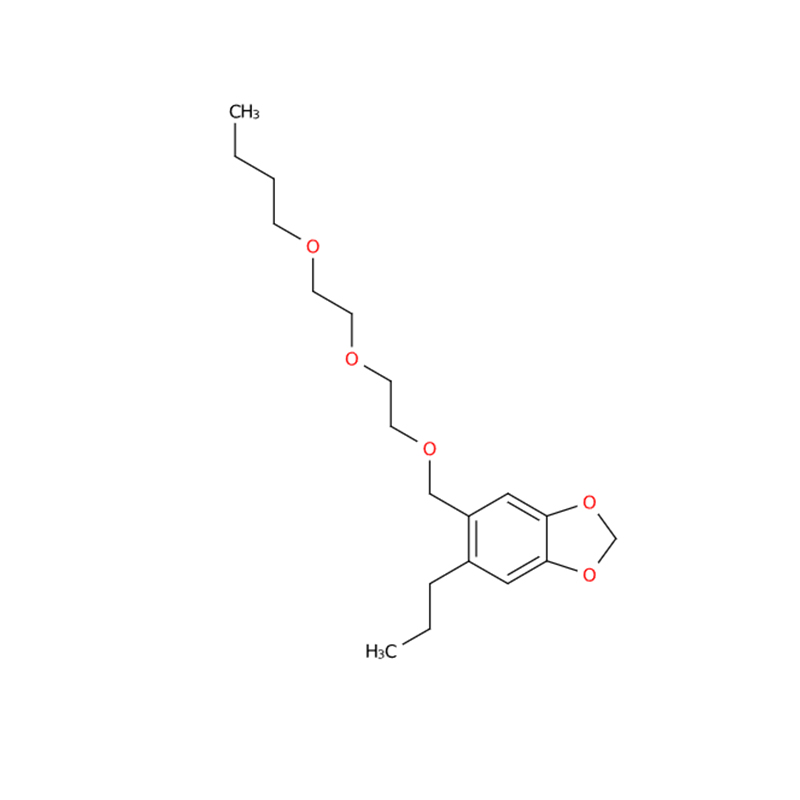
Piperonyl Butoxide 95% CAS#51-03-6
Strong Synergistic Enhancement Effect – It significantly improves the insecticidal activity of pyrethrins, pyrethroids, rotenone, and carbamate insecticides.
Broad Compatibility with Insecticides – It enhances the effectiveness of various compounds such as fenitrothion, dichlorvos, chlordane, and atrazine.
Improved Stability of Pyrethrum Extracts – It helps enhance the stability of pyrethrum-based formulations, improving overall product performance.
High Synergistic Performance in Specific Applications – It shows strong synergistic effects with permethrin against house flies, outperforming octachlorodipropyl ether in certain cases.
Products Description of Piperonyl Butoxide 95% CAS#51-03-6
Piperonyl butoxide (synergist ether) can enhance the insecticidal activity of pyrethrins, various pyrethroids, rotenone, and carbamate insecticides. It also improves the insecticidal performance of compounds such as fenitrothion, dichlorvos, chlordane, triclofenac, and atrazine, and exhibits a synergistic effect that helps increase the stability of pyrethrum extracts.
When tested against house flies, this product shows a stronger synergistic effect with permethrin than octachlorodipropyl ether. However, it does not enhance the knockdown effect of cypermethrin on house flies.
In mosquito coil applications, it shows no synergistic effect on allethrin and may even reduce its effectiveness.
Product Parameters of Piperonyl butoxide 95% CAS#51-03-6
| Density | 1.059 |
| Melting point | <25 °C |
| Boiling point | 180 °C |
| Refractive index | 1.497-1.507 |
| Flash Point | 340° F (NTP, 1992) |
| Vapour Pressure | 0.02 hPa (60 °C) |
| Precise Quality | 338.209 |
| PSA | 46.15 |
| logP | 3.7177 |
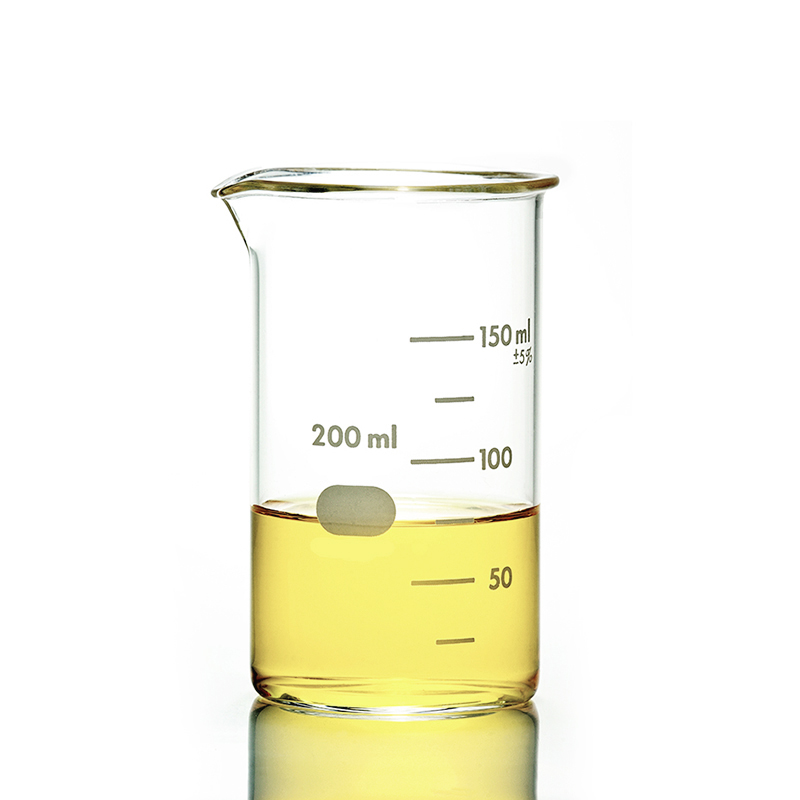
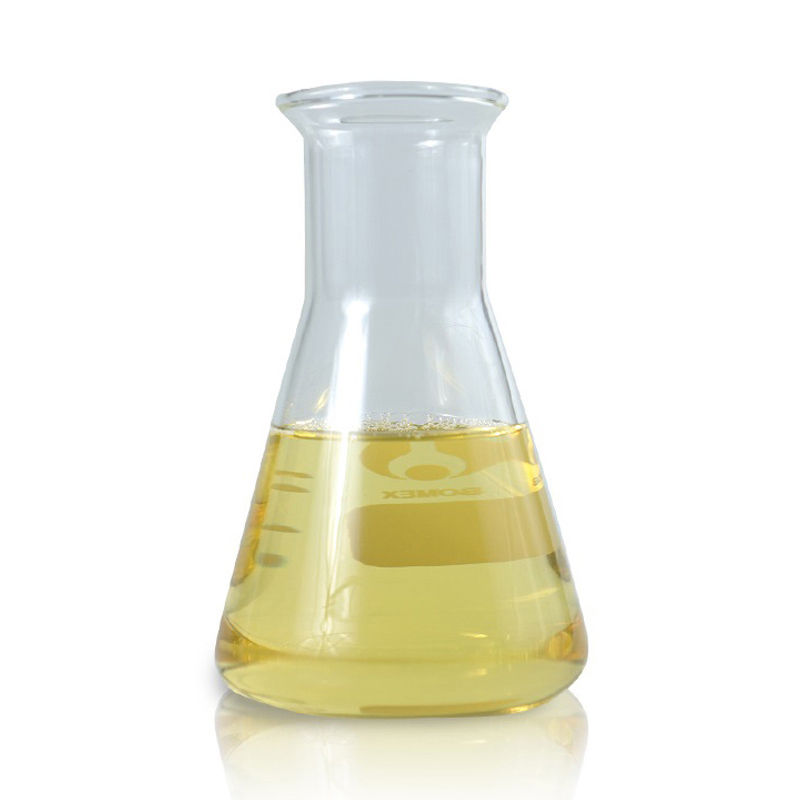
| Solubility | light yellow liquid |
| Viscosity | Viscosity is a measure of a fluid's resistance to flow. It describes the internal friction of a moving fluid. |
| AnalyticLaboratory Methods | Method: OSHA PV2110; Procedure: high performance liquid chromatography using an ultraviolet detector; Analyte: piperonyl butoxide;; Matrix: air; Detection Limit: 0.08 mg/cu m. |
| Appearance | Piperonyl butoxide is a pale yellow to light brown liquid with a mild odor and a faint bitter taste. (NTP, 1992) |
| Storage | Ambient temperatures. |
| Chemical Properties | Practically insoluble in water, freely soluble in acetone, in anhydrous ethanol, in methylene chloride and in fatty oils. |
| Color/Form | Clear yellow |
| Corrosivity | NONCORROSIVE |
| Decomposition | When heated to decomp it emits acrid smoke and irritating fumes. |
| Odor | ODORLESS |
| Physical | PHYSICAL DESCRIPTION: Pale yellow to light brown liquid with a mild odor and a faint bitter taste. (NTP, 1992) |
| Water Solubility | H2O: <0.1 g/100 mL at 18 oC |
| Spectral Properties | Index of refraction: 1.50 at 20 deg C/D Intense mass spectral peaks: 176 m/z (100%), 177 m/z (41%), 194 m/z (26%), 57 m/z (19%) |
| Stability | Stable. Combustible. Incompatible with oxidizing agents. |
| StorageTemp | 2-8°C |

Product Application of Piperonyl Butoxide 95% CAS#51-03-6
It is used to control insects that occur during the storage of grains such as rice, wheat, and beans, including pests like grain weevils.
It is commonly used in combination with pyrethrin insecticides to achieve a strong synergistic effect. When pyrethrin is used alone (for example, against house flies), the mortality rate is about 46%. However, when combined with this product (30 mg + 400 mg formulation), the killing rate can increase to 92%.
Typically, this product is mixed with pyrethrin at a ratio of about 1:10 to prepare 0.05%–0.2% emulsions or powders. After application, the residual effect can provide insect-repellent activity for approximately 1 to 10 months.
According to Japanese regulations, it may be used on cereals with a maximum residue limit of 0.024 g/kg (based on this product). An example of a compound insecticide formulation includes 1.2% of this product, 0.08% pyrethrins, and 98.72% inert minerals, with approximately 120 g applied per 60 kg of grain for spraying.
![Imidazo[1,2-b]pyridazine CAS#766-55-2](https://cdn.whchemicalsd.com/cdn/ff/Mkl41MvMW9PXf8pwDpcoYmKXr5dElhJYOWzczPkAOF0/1779069853/public/styles/chanp/public/2026-05/zt%20%2817%29%20-%20%E5%89%AF%E6%9C%AC.jpg?itok=bZg159zV)