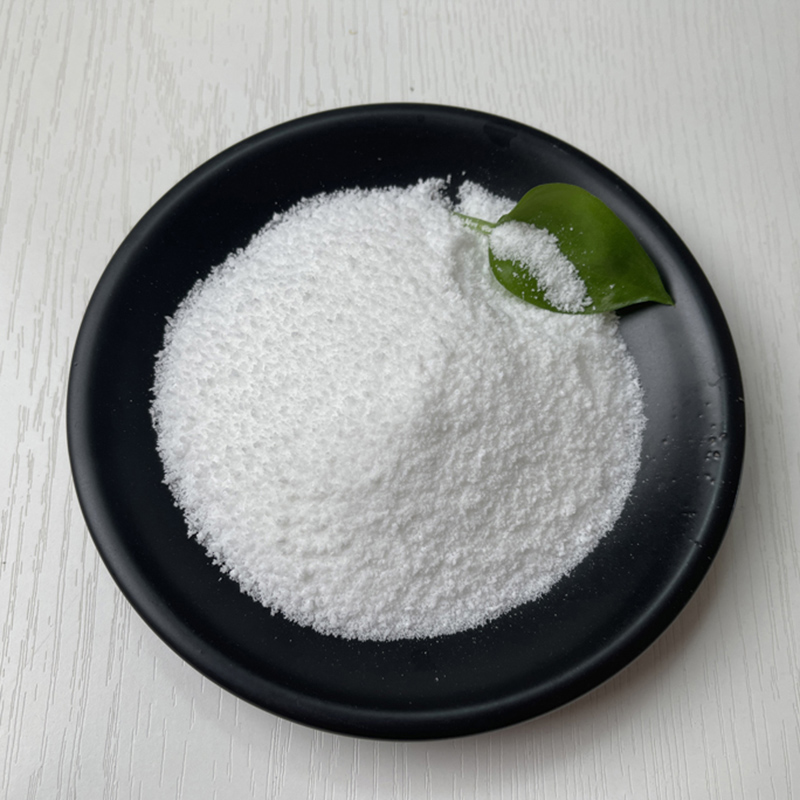
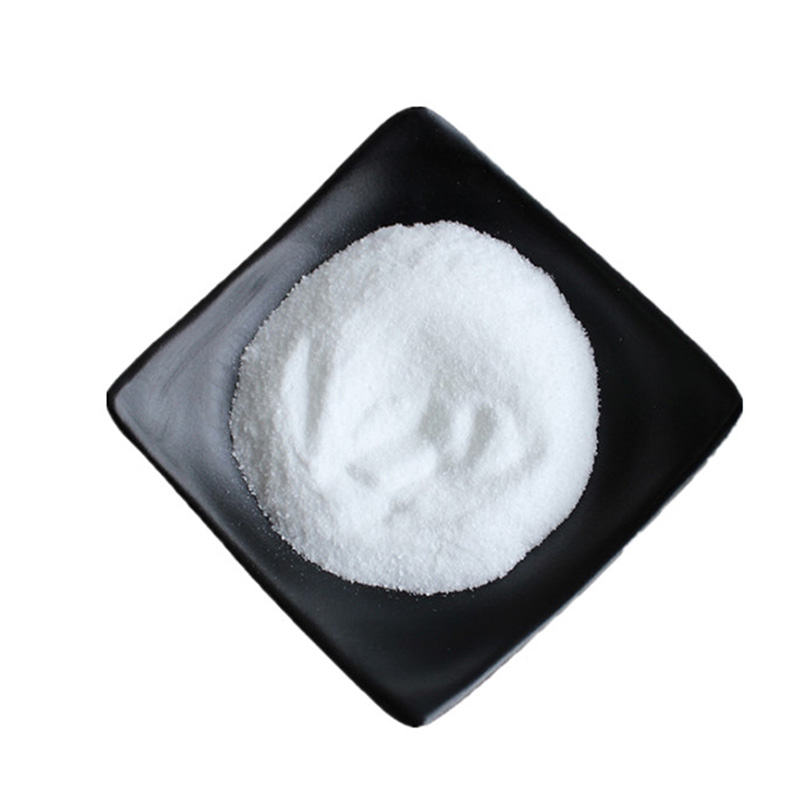
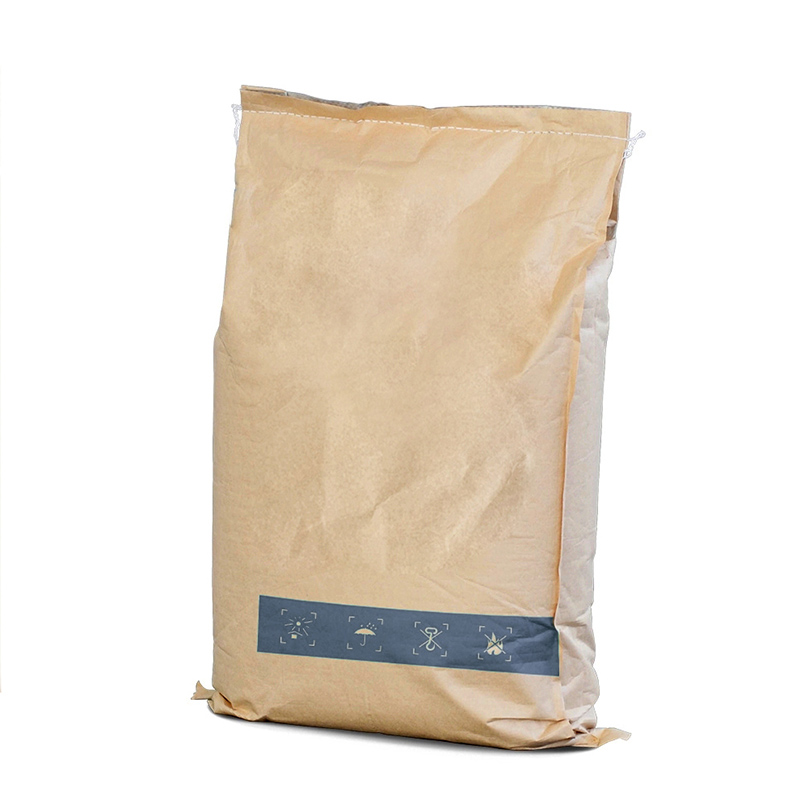
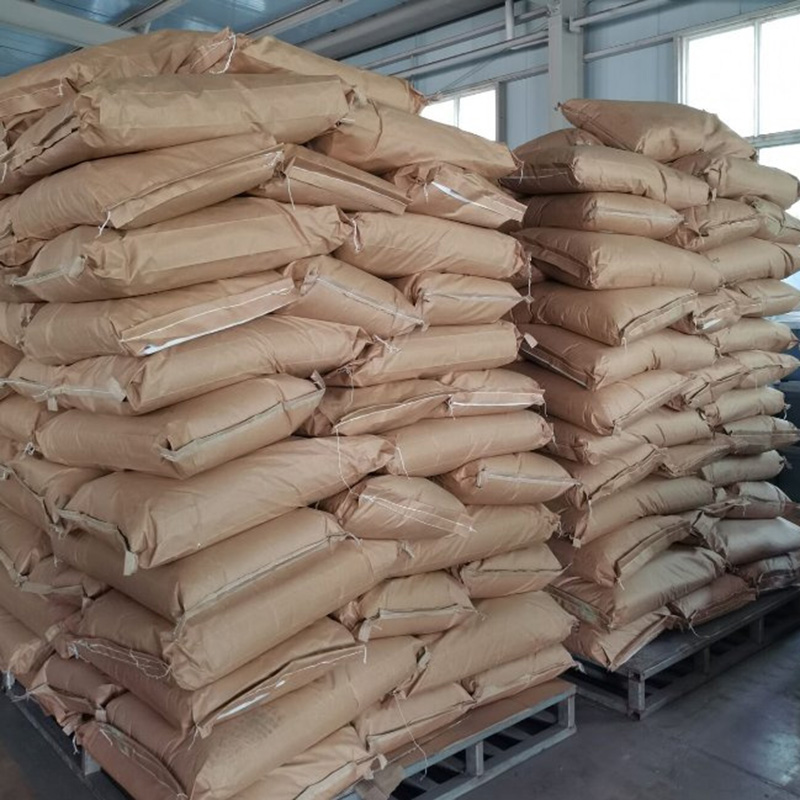
CESIUM(I) IODIDE CAS#7789-17-5
High Scintillation Efficiency: CsI and CsI(Tl) scintillators exhibit excellent scintillation performance, providing efficient conversion of high-energy particles and X-ray radiation into detectable signals.
Excellent Spatial Resolution: CsI(Tl) scintillator films deliver high spatial resolution, making them ideal for advanced digital X-ray imaging applications requiring precise image details.
Superior Compatibility with Silicon Readout Systems: CsI(Tl) films offer excellent spectral matching with silicon-based photodetector arrays, ensuring efficient signal transmission and enhanced imaging performance.
Wide Applications in Radiation Detection and Imaging: CsI-based scintillation materials are widely used in high-energy particle detection, ionizing radiation monitoring, and advanced X-ray imaging technologies.
Products Description of Cesium Iodide CAS#7789-17-5
Cesium iodide (CsI) and inorganic halide materials such as CsI(Tl) are widely utilized as scintillation media in high-energy particle detection and ionizing radiation detectors. Vacuum-deposited CsI(Tl) thin films were among the first scintillator materials applied in X-ray imaging through photoelectric conversion systems.
In advanced digital X-ray imaging technologies, CsI(Tl) scintillator films are extensively used due to their excellent X-ray scintillation efficiency, high spatial resolution, and strong compatibility with spectrally sensitive silicon-based readout arrays, enabling high-quality and accurate imaging performance.
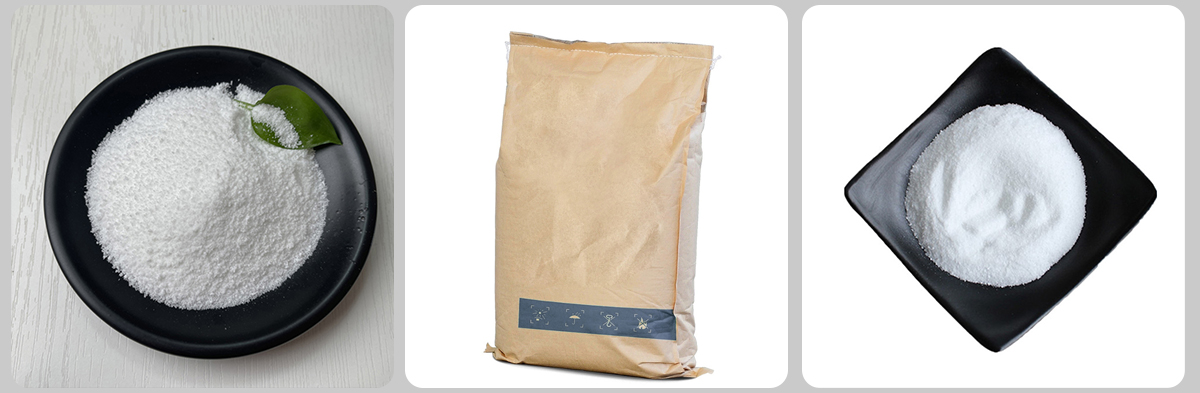
Cesium iodide Chemical Properties
| Melting point | 626 °C (lit.) |
| Boiling point | 1280 °C |
| density | 4.51 g/mL at 25 °C (lit.) |
| refractive index | 1.7876 |
| Fp | 1280°C |
| storage temp. | Keep in dark place,Inert atmosphere,Room temperature |
| solubility | soluble in ethanol, methanol, acetone |
| form | beads |
| Specific Gravity | 4.51 |
| color | White |
| PH | pH(50g/l, 25℃) : 5.0~9.0 |
| Water Solubility | 74 g/100 mL (20 ºC) |
| Sensitive | Hygroscopic |
| Merck | 142014 |
| Exposure limits | ACGIH: TWA 0.01 ppm |
| Dielectric constant | 5.6(Ambient) |
| Stability: | Stable. Deliquescent. |
| CAS DataBase Reference | 7789-17-5(CAS DataBase Reference) |
| NIST Chemistry Reference | Cesium iodide(7789-17-5) |
| EPA Substance Registry System | Cesium iodide (CsI) (7789-17-5) |
| Hazard Codes | Xn,Xi |
| Risk Statements | 36/37/38-42/43-43 |
| Safety Statements | 22-36/37-45 |
| RIDADR | UN 3077 9 / PGIII |
| WGK Germany | 2 |
| RTECS | FL0350000 |
| F | 8 |
| TSCA | Yes |
| HS Code | 28276000 |
| Toxicity | LD50 i.p. in rats: 1.4 g/kg (Cochran) |

Product Application of Cesium Iodide CAS#7789-17-5
Cesium iodide crystals are widely used as scintillation materials in electromagnetic calorimeters for particle physics experiments. They are also applied as optical components in Fourier transform infrared (FT-IR) spectrometers, serving as spectroscope materials due to their excellent infrared transmission properties.
Compared with commonly used potassium bromide spectroscopes, cesium iodide offers a broader light transmission range, extending into the far-infrared region. However, cesium iodide optical crystals are relatively soft and exhibit no cleavage, making it challenging to achieve a flat and highly polished surface.
Furthermore, cesium iodide optical crystals need to be stored in dry environments to prevent reactions with moisture. Applying a germanium coating to the surface can effectively reduce the impact of atmospheric humidity during spectroscope handling and replacement.

![2-[(4-Amino-3-methylphenyl)ethylamino]ethyl sulfate CAS#25646-71-3](https://cdn.whchemicalsd.com/cdn/ff/RLaf4sykHBpkIJNg3eOOWNOMmxCI9OUJm_SmziO_MrQ/1776305906/public/styles/chanp/public/2026-04/%E7%B2%89%20%E4%B8%BB%E5%9B%BE%20%2888%29%20-%20%E5%89%AF%E6%9C%AC_0.jpg?itok=KBEuU42G)