Introduction to and Applications of Polypropylene
Polypropylene (PP) is a high-molecular-weight polymer produced through the polymerization of propylene monomers. Based on the polymerization process employed, PP production can be divided into five main methods: solution polymerization, slurry polymerization, bulk polymerization, gas-phase polymerization, and combined bulk/gas-phase polymerization. According to its molecular structure, polypropylene is generally classified into three types: isotactic polypropylene, syndiotactic polypropylene, and atactic polypropylene. Isotactic polypropylene is the most widely used type, accounting for more than 90% of total consumption. Atactic polypropylene is mainly used in additives, adhesives, and modified materials. When used as a carrier for modified masterbatches, it offers high viscosity, good flowability, and excellent encapsulation performance.
Properties of Polypropylene
① Mechanical Properties
Compared with polyethylene, polypropylene generally provides better mechanical properties, including higher strength, rigidity, and hardness, as well as improved surface gloss. Nevertheless, these properties remain relatively moderate compared with those of other engineering plastics. Higher strength requirements can be achieved by using highly crystalline polypropylene or incorporating fillers and reinforcing materials.
The impact strength of polypropylene is influenced by factors such as molecular weight, crystallinity, and crystal size, and is also strongly dependent on temperature. Its impact resistance tends to decrease at lower temperatures. At the same time, polypropylene has excellent flexural and fatigue resistance. At room temperature, polypropylene products can withstand repeated bending—up to approximately one million cycles—without failure.
② Electrical Properties
As a non-polar polymer, polypropylene has excellent electrical insulating properties. Its electrical performance is relatively insensitive to changes in ambient humidity and electric field frequency, allowing it to function effectively as a dielectric and insulating material, including in high-frequency applications.
Polypropylene also exhibits excellent arc resistance, with an arc resistance time of approximately 130–180 seconds, which is considered high among plastic materials. However, its tendency toward low-temperature brittleness limits its use in certain insulation applications compared with polyethylene and polyvinyl chloride (PVC). It is therefore primarily used for communication cable insulation and electrical appliance housings.
③ Thermal Properties
Polypropylene demonstrates good heat resistance and can generally be used at temperatures above 100°C, reaching approximately 120°C under light-load conditions. Its maximum continuous service temperature is about 120°C, while its short-term service temperature can reach approximately 150°C.
It also offers excellent resistance to boiling water and steam, making it particularly suitable for medical products that require high-pressure sterilization. With a thermal conductivity of approximately 0.15–0.24 W/(m·K), which is lower than that of polyethylene, polypropylene can also provide effective thermal insulation.
④ Chemical Resistance
Polypropylene is a non-polar, crystalline, alkane-based polymer with good resistance to chemical corrosion. At room temperature, it is insoluble in solvents, although it may swell when exposed to certain solvents.
PP generally resists acids, alkalis, salts, and most organic solvents, including alcohols, phenols, aldehydes, ketones, and most carboxylic acids. However, it is susceptible to strong oxidizing agents, concentrated sulfuric acid, and concentrated nitric acid. It also has excellent resistance to environmental stress cracking.
Aromatic hydrocarbons and chlorinated hydrocarbons can cause polypropylene to swell, with this effect becoming more pronounced as temperature increases. At elevated temperatures, polypropylene can dissolve in solvents such as tetrahydronaphthalene, decahydronaphthalene, and 1,2,4-trichlorobenzene.
⑤ Environmental Properties
Polypropylene has relatively poor weather resistance. The hydrogen atoms attached to its tertiary carbon atoms are susceptible to oxidation, making PP particularly sensitive to ultraviolet (UV) radiation and prone to degradation under prolonged exposure to oxygen and UV light.
Without stabilization, polypropylene can experience rapid deterioration in performance after only four months of indoor storage. It may also become brittle following high-temperature aging at 150°C for approximately 0.5–3.0 hours or after about 12 days of atmospheric exposure.
Therefore, antioxidants and light stabilizers are generally added to polypropylene resin to improve its resistance to oxidation and UV degradation. In the presence of copper, the rate of oxidative degradation can increase by several hundred times. Consequently, copper inhibitors, such as salicylidene ethylenediamine, benzoyl hydrazide, or benzotriazole, need to be incorporated to help protect polypropylene from accelerated degradation.
Applications
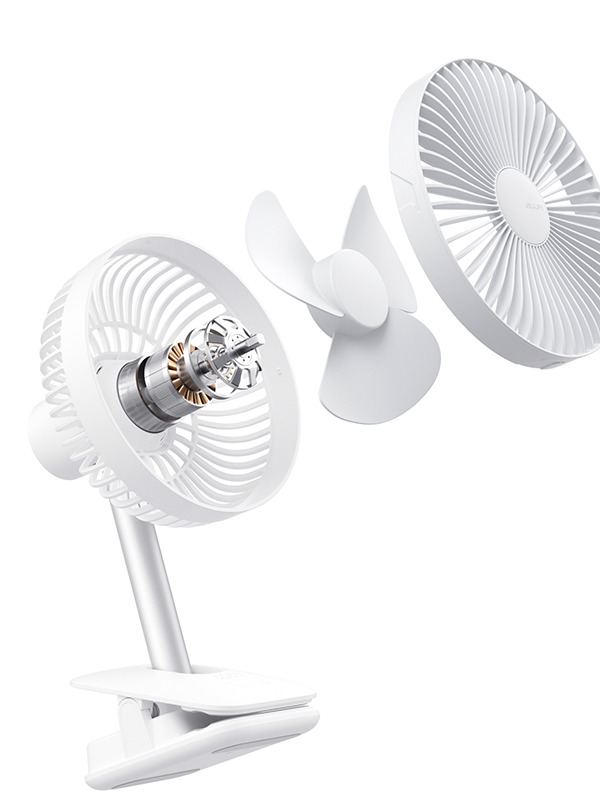
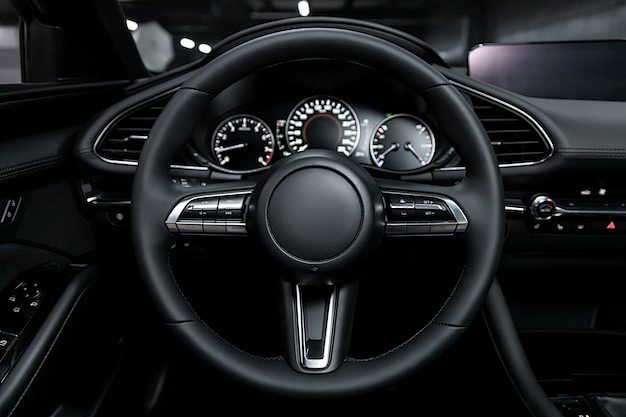
Polypropylene offers excellent processing properties, enabling it to be manufactured into a wide variety of products through different processing methods. Injection-molded polypropylene products are widely used, with conventional polypropylene mainly serving everyday consumer applications. Modified polypropylene, meanwhile, is extensively utilized in automotive, household appliance, and industrial components. For example, impact-modified polypropylene is commonly used for bumpers and wheel covers, while reinforced polypropylene is suitable for dashboards, steering wheels, fan blades, handles, and other components.
Extruded polypropylene products also represent a significant portion of polypropylene consumption, particularly fibers and filaments. Their widespread use is attributed to polypropylene's excellent mechanical strength, wear resistance, chemical resistance, and relatively low cost. Polypropylene filament and fiber products include monofilaments, flat yarns (tape yarns), and staple fibers.
Monofilaments are characterized by low density, high toughness, and good abrasion resistance, making them suitable for producing ropes, fishing nets, and similar products. Flat yarns offer high tensile strength and are widely used to manufacture woven bags for packaging fertilizers, cement, grain, and chemical raw materials. They can also be processed into woven fabrics for promotional materials, tarpaulins, and related products.
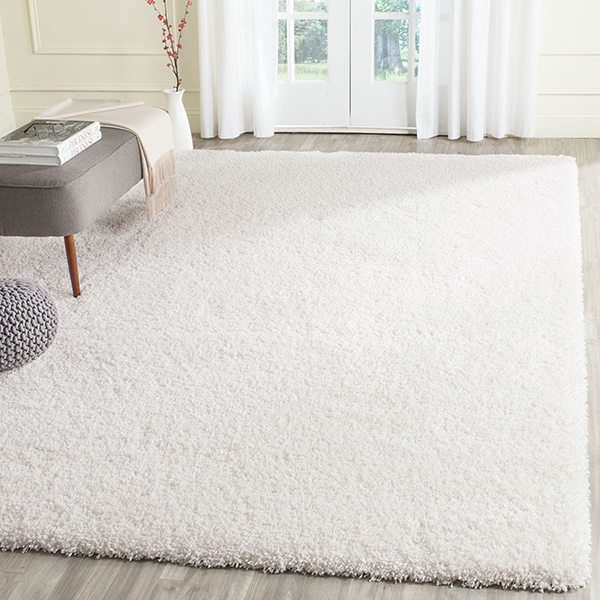
Polypropylene fibers are extensively used in the production of carpets, blankets, clothing, artificial turf, filter fabrics, non-woven materials, curtains, and other products. Extrusion processing is also widely employed to manufacture polypropylene films. Biaxially oriented polypropylene films offer improved strength and transparency, making them suitable for applications such as typewriter ribbons, cigarette packaging, and food packaging bags.
Other extruded polypropylene products include pipes, sheets, narrow strips, split-film yarns, and strapping bands. Hollow polypropylene products provide excellent transparency, mechanical performance, and moisture-barrier properties. As a result, they are widely used as packaging containers for detergents, cosmetics, pharmaceuticals, liquid fuels, chemical reagents, and other products.
Polypropylene is also the primary synthetic resin used in the production of modified masterbatches. In the early development of this technology, technicians at Beijing Plastics Industry Company used atactic polypropylene (APP), a by-product of isotactic polypropylene production at Yanshan Petrochemical, together with heavy calcium carbonate and appropriate additives to produce filled modified masterbatches. These masterbatches were incorporated into polypropylene products such as flat yarns and strapping bands to improve printability, reduce product shrinkage, and enhance overall economic efficiency.
This approach also provided an effective way to utilize a petrochemical by-product. By identifying an application for atactic polypropylene, the process helped increase the value of this otherwise underutilized material. However, with the continued development of synthetic resin production technologies, the isotacticity of polypropylene increased, while the yield and quality of atactic polypropylene gradually declined. As the production volume and application range of filled modified masterbatches expanded rapidly, fewer manufacturers continued to use atactic polypropylene as the carrier resin.
Today, isotactic polypropylene accounts for the majority of carrier resins used in filled modified masterbatches. Powdered polypropylene produced through small-scale bulk polymerization processes also continues to play an important role in this application.