Polyethylene Glycol (PEG) Market Expands at a 6.1% CAGR, Driven by Medical Innovation and Sustainable Development
The global polyethylene glycol (PEG) market is showing strong and sustained growth. The market is estimated to be worth USD 4.20 billion in 2025 and is expected to reach USD 7.14 billion by 2034, representing a CAGR of 6.1%. This growth is supported by PEG’s broad applications in pharmaceuticals, personal care, and industrial industries, as well as continued advances in medical technologies and the accelerating transition toward more sustainable production. Regulatory developments across major markets and ongoing research into PEG biodegradability are also influencing the industry's future direction, further reinforcing PEG’s importance as a critical material across diverse value chains.
1. Market Overview: Steady Growth Across Regions
From a regional perspective, Asia Pacific remains the leading market, with its value increasing from USD 1.87 billion in 2024 to an anticipated USD 3.37 billion by 2034. North America ranks next, with the market valued at USD 1.05 billion in 2024 and projected to reach USD 1.88 billion by 2034. Meanwhile, Europe's market is expected to exceed USD 1.29 billion over the same period.
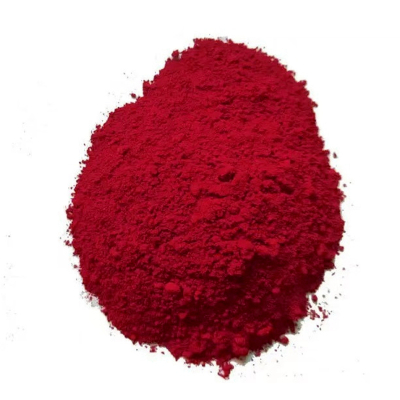
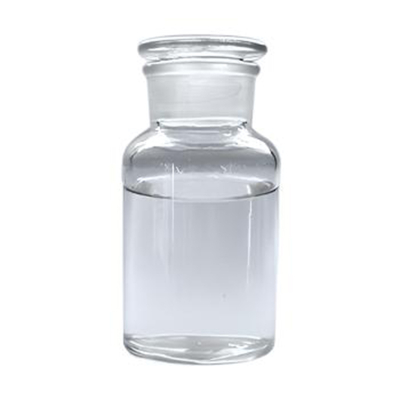
Demand encompasses a wide range of PEG grades, including industrial, cosmetic, and food grades, as well as various physical forms such as liquids, white waxy solids, and powders. These products serve applications ranging from pharmaceutical packaging to textile finishing. Another important market driver is the increasing replacement of hazardous chemicals with PEG in more sustainable formulations, supported by corporate ESG commitments and growing consumer demand for environmentally responsible products.
2. Medical Breakthroughs: Expanding Therapeutic Roles
Significant progress has been made in PEG-based medical applications in 2025. The U.S. FDA approved the Embrace Hydrogel Embolic System, a PEG-based liquid embolic agent designed for hypervascular tumors. It represents the first approval of this type supported by a randomized controlled trial. The system achieved an 88.6% technical success rate and 99% freedom from major adverse events at 30 days, with PEG’s biocompatibility enabling effective penetration into deep vascular structures.
In China, the pegylated drug Peijin® (Toupeifeigesting Injection) secured a renewed inclusion in the national medical insurance program. It incorporates a distinctive 40 kD Y-type PEG modification, which helps reduce dosage requirements and the risk of bone pain among chemotherapy patients. Together, these developments highlight PEG’s increasingly important role in advanced drug-delivery technologies and interventional oncology.
3. Sustainability Drive: Bio-Based Production and Degradability
The PEG industry is also making progress in addressing environmental concerns associated with conventional production and disposal. Manufacturers are developing bio-based PEG derivatives as alternatives to petroleum-derived feedstocks, supporting broader global decarbonization objectives.
Recent innovations include the greener preparation of PEGA resins using silicone oil as a recyclable suspension medium, which helps minimize waste in peptide-synthesis applications. In addition, a 2025 study published in Environmental Science & Technology demonstrated that photochemical chain scission can improve the biodegradability of PEG in soil and sediment, helping address concerns about its environmental fate.
These developments reflect the industry's ongoing effort to maintain PEG’s established performance advantages while improving sustainability and environmental compatibility.