Polyvinyl Chloride (PVC)CAS#9002-86-2 Applications
Polyvinyl chloride (PVC) is the world's second-largest general-purpose synthetic resin. Its history dates back to 1835, when French chemist Regnault discovered that vinyl chloride could polymerize into a white solid under sunlight. In 1914, researchers in Germany and the United States found that organic peroxides could accelerate the polymerization of vinyl chloride. By 1931, the German company IG Farben had successfully achieved the industrial production of PVC through the emulsion polymerization process. In this method, vinyl chloride monomer is mixed with water in the presence of sodium alkyl sulfonate, which acts as a surfactant and emulsifier to disperse the vinyl chloride evenly throughout the water and form an emulsion. Potassium persulfate or ammonium persulfate is then added as an initiator to promote the polymerization of vinyl chloride and produce PVC.
PVC was one of the earliest plastics to be produced on an industrial scale, and its production volume currently ranks second among general-purpose resins, after polyethylene. It is a high-molecular-weight polymer produced by the polymerization of vinyl chloride and is widely used in industrial, agricultural, and everyday applications.
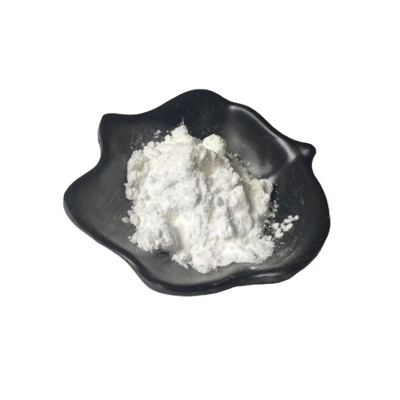
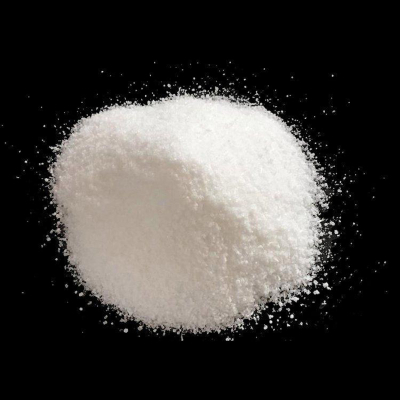
PVC generally appears as a white or pale yellow powder, with a relative density of approximately 1.35–1.40, a chlorine content of 56%–58%, and a melting point of about 70–85°C. It can dissolve or swell in ketones, esters, tetrahydrofuran, and chlorinated hydrocarbons, while offering excellent resistance to chemical corrosion. However, its thermal and light stability is relatively limited. At temperatures above 100°C or under prolonged exposure to sunlight, PVC can begin to decompose and release hydrogen chloride. Therefore, stabilizers are typically incorporated during the processing and manufacture of PVC products.
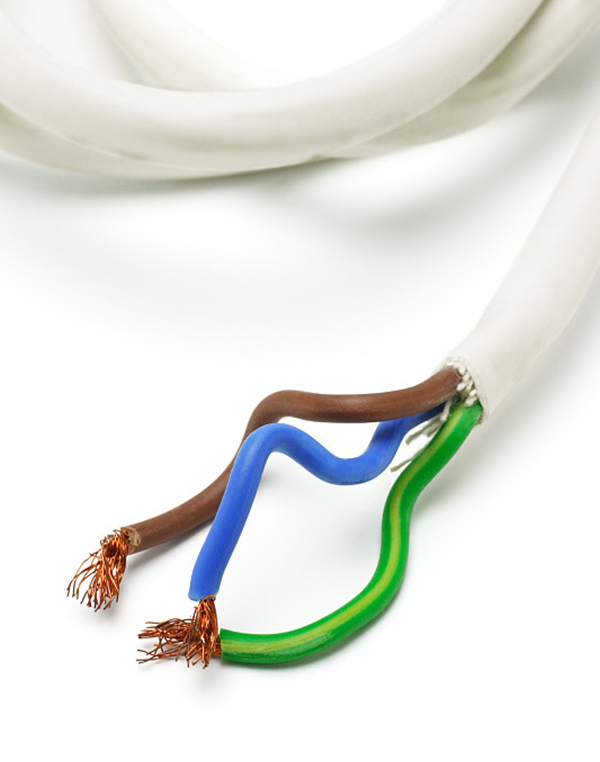
PVC also provides excellent electrical insulation and is inherently non-flammable. It is widely used in the manufacture of plastics, coatings, and synthetic fibers. Depending on the amount of plasticizer incorporated, PVC can be processed into either flexible or rigid materials.
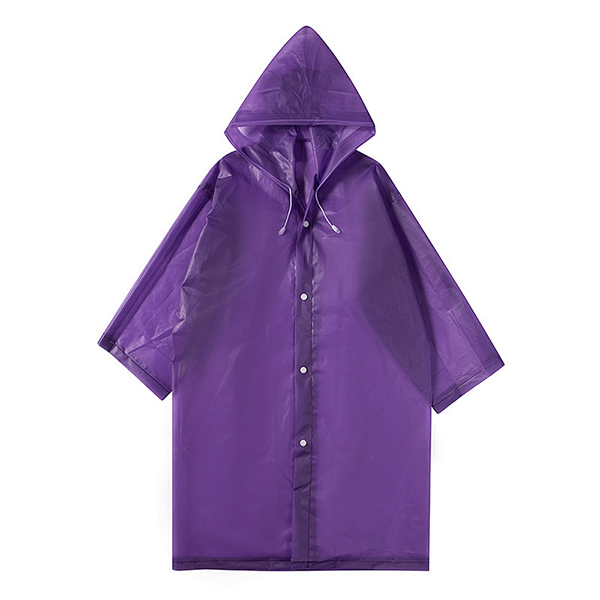
Flexible PVC can be used to manufacture transparent films, including raincoats, tablecloths, packaging materials, and agricultural films, as well as artificial leather, foam plastics, and wire insulation and sheathing. Rigid PVC, on the other hand, is commonly processed into sheets, pipes, valves, doors, and windows.
From a processing perspective, suspension polymerization produces PVC in the form of a powdered resin, while emulsion polymerization produces a paste resin. Both types of PVC resin can be further processed into either flexible or rigid plastic products depending on the formulation and intended application.
Applications
Polyvinyl chloride (PVC) has an exceptionally broad range of applications across numerous industries and areas of everyday life. Its uses extend from construction materials, automotive components, and children's toys to industrial products, agricultural materials, and various consumer goods.
In the electrical field, PVC is widely used as an insulating material, particularly for wire insulation, and has largely replaced rubber in many applications. It is also suitable for heat-resistant electrical wires and cable sheathing. In the automotive industry, PVC is used to manufacture components such as steering wheels, roof liners, and cushioning pads.
PVC is extensively used in construction for a variety of profiles and building products, including pipes, rods, shaped sections, door and window frames, interior finishing materials, and drainage pipes. In the chemical industry, it can be processed into chemically resistant pipes, containers, and various corrosion-resistant materials.
Flexible PVC can be processed into durable and highly flexible products such as tubing, films, and sheets. These materials are widely used in packaging, rainwear, agricultural films, and other applications requiring flexibility and resistance to bending.
PVC paste can also be coated onto cotton fabrics or paper. When heated to approximately 140–145°C, the paste quickly gels and forms a film. The resulting material can then be compressed using rollers to produce artificial leather, which is suitable for manufacturing a variety of products.
In addition, PVC foam is commonly used in cushioning materials, slippers, and thermal or acoustic insulation products, further expanding the versatility of PVC across industrial and consumer applications.