Current Industry Overview and Production Capacity of Hydroquinone
Hydroquinone (HQ) is an important aromatic diol primarily utilized as a polymerization inhibitor, rubber antioxidant, pharmaceutical intermediate, and photographic developer. Global production capacity is largely concentrated in the Asia-Pacific region, particularly China, with the cumene hydroperoxide process serving as the predominant manufacturing method. Increasingly stringent cosmetics regulations and the transition toward more environmentally friendly H₂O₂ hydroxylation technologies are driving changes across the industry.
1. Market Demand & Key Drivers (2024–2025)
Polymers (36.04% of Demand): The largest application segment, where hydroquinone is widely used as a polymerization inhibitor for styrene and acrylate monomers. This segment is expected to grow at a CAGR of 4.79% through 2030.
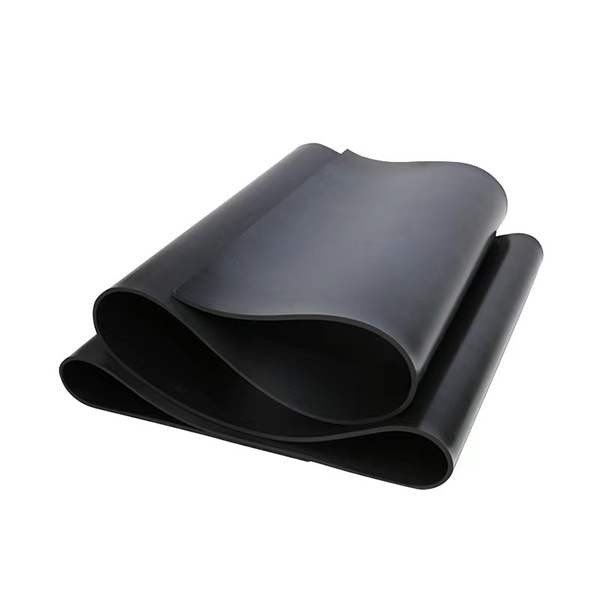
Rubber Processing (~25%): Used as an antioxidant to improve the service life and durability of rubber products. Demand is supported by an annual growth rate of 2.7% in natural rubber production.

Pharmaceuticals & Fine Chemicals: Demand remains stable due to its applications in APIs and pharmaceutical intermediates, with Eastman Chemical being a leading supplier of USP-grade products.
Cosmetics (Constrained): Regulatory limitations, including the EU ban on over-the-counter skin-lightening products and the FDA's 2% concentration limit, restrict market expansion. However, industrial and medical applications help offset the decline in cosmetic demand.
2. Key Trends & Challenges
Regulatory Pressures: Increasingly stringent safety requirements for cosmetic applications are encouraging manufacturers to focus on high-purity industrial and pharmaceutical grades.
Technology Shift: H₂O₂ hydroxylation is gaining popularity as a more sustainable production approach. Honeywell's automated purification technology has also reduced impurity levels by 50%.
Supply Chain Dynamics: China and India dominate cost-competitive industrial-grade exports in the Asia-Pacific region, while manufacturers in Western markets concentrate more on specialty-grade products.
Market Growth: The global hydroquinone market was valued at approximately USD 537–560 million in 2024, with CAGR estimates ranging from 1.2% to 4.6% depending on the market segment. It is projected to reach approximately USD 598–630 million by 2030.