Triethylamine CAS#121-44-8
High Chemical Reactivity: As the simplest homotrisubstituted tertiary amine, triethylamine exhibits the characteristic reactivity of tertiary amines, including salt formation and oxidation.
Excellent Solubility in Organic Solvents: Triethylamine is readily soluble in ethanol and ether and slightly soluble in water, making it suitable for a wide range of organic synthesis and industrial processes.
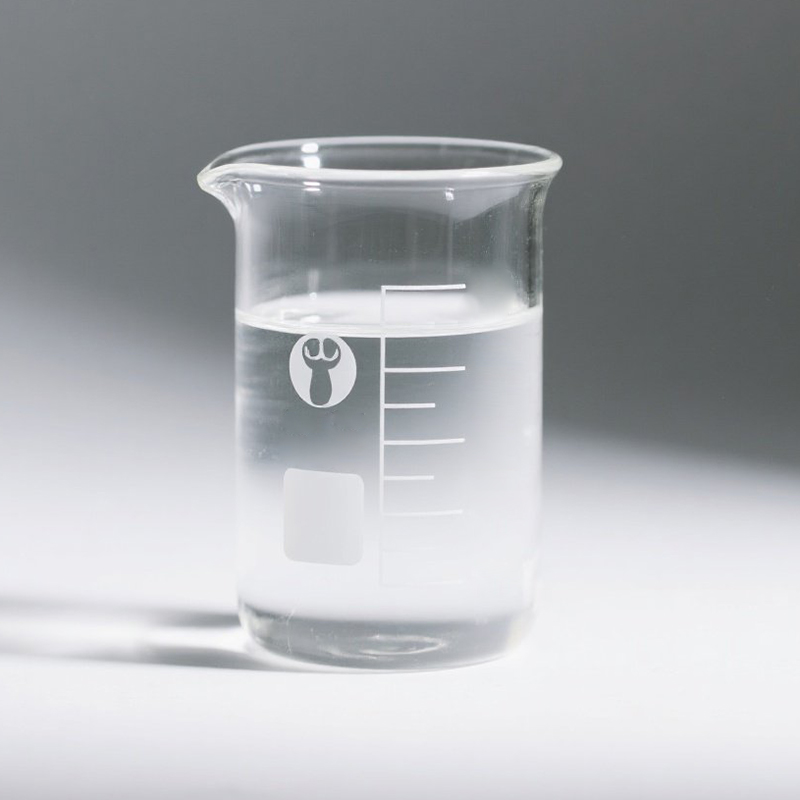
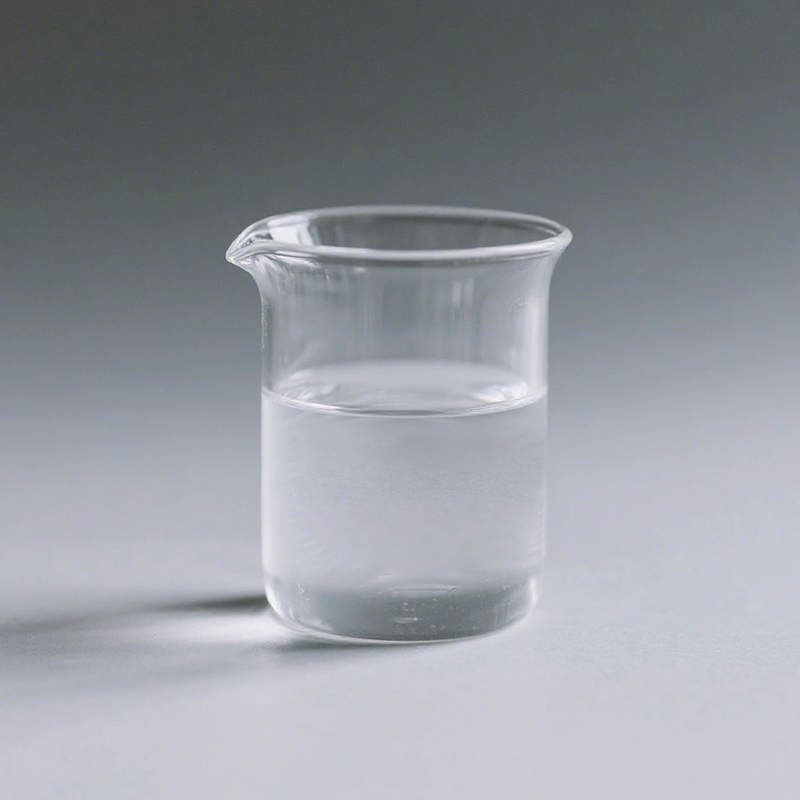
Stable Liquid Form with Convenient Handling: It is a colorless to light yellow transparent liquid with a relatively low boiling point of 89.5°C, facilitating storage, transfer, and processing under appropriate conditions.
Alkaline Properties for Broad Applications: Its alkaline aqueous solution and tertiary amine characteristics make triethylamine a valuable base and reaction intermediate in chemical and pharmaceutical manufacturing.
Product Description of Triethylamine CAS#121-44-8
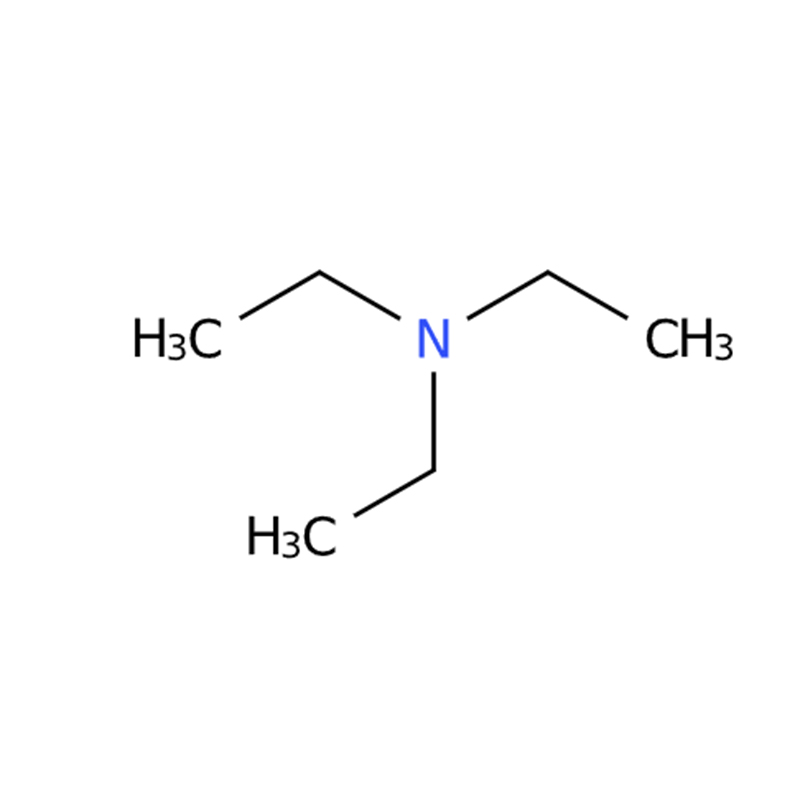
Triethylamine (molecular formula: C₆H₁₅N), also known as N,N-diethylethylamine, is the simplest homotrisubstituted tertiary amine. It exhibits the characteristic properties of tertiary amines, including the ability to undergo salt formation and oxidation reactions. Unlike many amines, triethylamine does not react in the Hinsberg reaction.
Triethylamine is a colorless to light yellow transparent liquid with a strong ammonia-like odor and may produce slight fumes when exposed to air. It has a boiling point of 89.5°C, a relative density of 0.70 (water = 1), and a vapor density of 3.48 (air = 1). It is slightly soluble in water but readily soluble in ethanol and ether, and its aqueous solution is alkaline.
Triethylamine is flammable, and its vapor can form explosive mixtures with air within an explosive concentration range of 1.2% to 8.0%. It is also toxic and highly irritating, requiring appropriate handling and safety precautions.
Triethylamine Chemical Properties
| Melting point | -115 °C |
| Boiling point | 90 °C |
| density | 0.728 |
| vapor density | 3.5 (vs air) |
| vapor pressure | 51.75 mm Hg ( 20 °C) |
| refractive index | n20/D 1.401(lit.) |
| FEMA | 4246 | TRIETHYLAMINE |
| Fp | 20 °F |
| storage temp. | Store below +30°C. |
| solubility | water: soluble112g/L at 20°C |
| pka | 10.75(at 25℃) |
| form | Liquid |
| Specific Gravity | 0.725 (20/4℃) |
| color | Clear |
| PH | 12.7 (100g/l, H2O, 15℃)(IUCLID) |
| Relative polarity | 1.8 |
| Odor | Strong ammonia-like odor |
| Odor Type | fishy |
| Odor Threshold | 0.0054ppm |
| explosive limit | 1.2-9.3%(V) |
| Water Solubility | 133 g/L (20 ºC) |
| Merck | 149666 |
| JECFA Number | 1611 |
| BRN | 1843166 |
| Henry's Law Constant | 1.79 at 25 °C (Christie and Crisp, 1967) |
| Exposure limits | NIOSH REL: IDLH 200 ppm; OSHA PEL: TWA 25 ppm (100 mg/m3); ACGIH TLV: TWA 1 ppm, STEL 3 ppm (adopted). |
| Dielectric constant | 5.0(Ambient) |
| Stability: | Stable. Extremely flammable. Readily forms explosive mixtures with air. Note low flash point. Incompatible with strong oxidizing agents, strong acids, ketones, aldehydes, halogenated hydrocarbons. |
| InChIKey | ZMANZCXQSJIPKH-UHFFFAOYSA-N |
| LogP | 1.65 |
| CAS DataBase Reference | 121-44-8(CAS DataBase Reference) |
| NIST Chemistry Reference | Triethylamine(121-44-8) |
| EPA Substance Registry System | Triethylamine (121-44-8) |
Safety Information
| Hazard Codes | F,C |
| Risk Statements | 11-20/21/22-35 |
| Safety Statements | 3-16-26-29-36/37/39-45-61 |
| RIDADR | UN 1296 3/PG 2 |
| WGK Germany | 1 |
| RTECS | YE0175000 |
| F | 34 |
| Autoignition Temperature | 593 °F |
| Hazard Note | Highly Flammable/Corrosive |
| TSCA | Yes |
| HazardClass | 3 |
| PackingGroup | II |
| HS Code | 29211910 |
| Hazardous Substances Data | 121-44-8(Hazardous Substances Data) |
| Toxicity | LD50 orally in rats: 0.46 g/kg (Smyth) |
| IDLA | 200 ppm |

Product Application of Triethylamine CAS#121-44-8
Triethylamine is widely used as both a solvent and a raw material in the organic synthesis industry. It serves as a key intermediate in the production of phosgene-based polycarbonate catalysts, tetrafluoroethylene inhibitors, rubber vulcanization accelerators, specialized paint stripper solvents, enamel anti-hardening agents, surfactants, preservatives, bactericides, ion-exchange resins, dyes, fragrances, pharmaceuticals, high-energy fuels, and liquid rocket propellants. In the pharmaceutical industry, triethylamine is utilized in the manufacture of products such as ampicillin sodium, amoxicillin, Pioneer IV, cefazolin sodium, cefradine, piperacillin, ketoconazole, vitamin B6, fluoxic acid, praziquantel, thiotepa, penicillamine, berberine hydrochloride, isoprenaline, alprazolam, o-chlorophenylacetic acid, pipemidic acid, and other pharmaceutical compounds.
It is used in the preparation of quaternary ammonium compounds and the synthesis of catalysts. It also functions as a rubber vulcanization accelerator, penetrant, and waterproofing agent.
Triethylamine is employed in the manufacture of quaternary ammonium compounds, catalyst synthesis, and rubber vulcanization accelerators. It is also used as a mobile phase modifier for the separation of acidic, basic, and neutral compounds by reverse-phase high-performance liquid chromatography (RP-HPLC).
It helps improve the separation of amino acids and amino acid amides by reducing peak tailing during chromatographic analysis. In addition, it is widely used in the manufacture of pharmaceuticals, pesticides, inhibitors, high-energy fuels, and rubber vulcanizing agents.