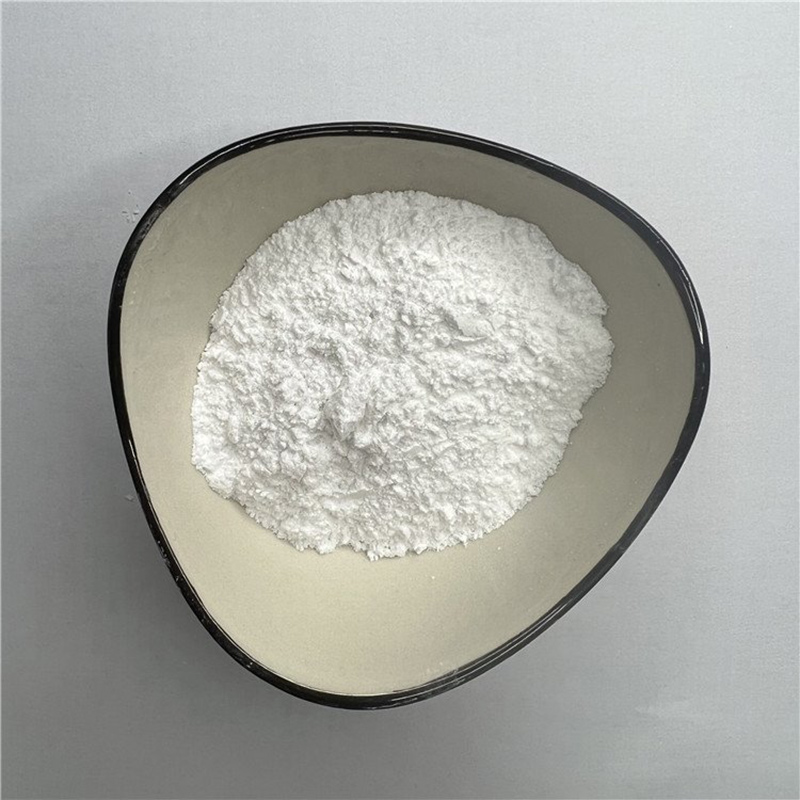
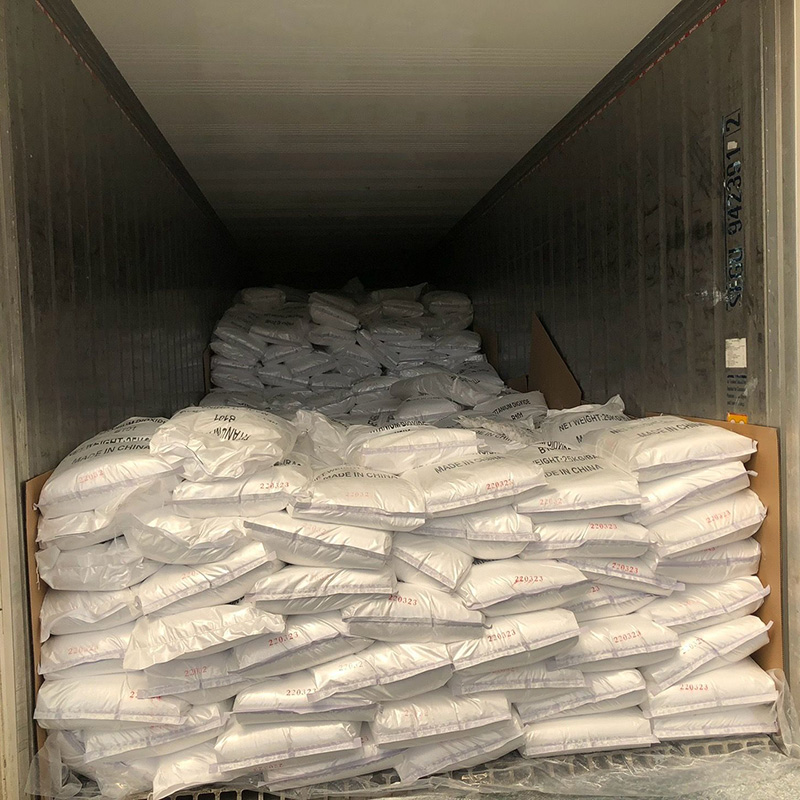
SILICA CAS#10279-57-9
Effective Cleaning and Stain Removal: Acts as an abrasive agent in toothpaste, helping remove soft plaque and extrinsic stains from tooth surfaces through physical friction.
Low Abrasivity: Features smooth, fine particles and a low Relative Dentin Abrasivity (RDA) value, supporting effective cleaning while helping minimize damage to tooth enamel.
Excellent Thermal and Fire Resistance: Offers good heat resistance and is non-flammable, making it suitable for applications requiring these properties.
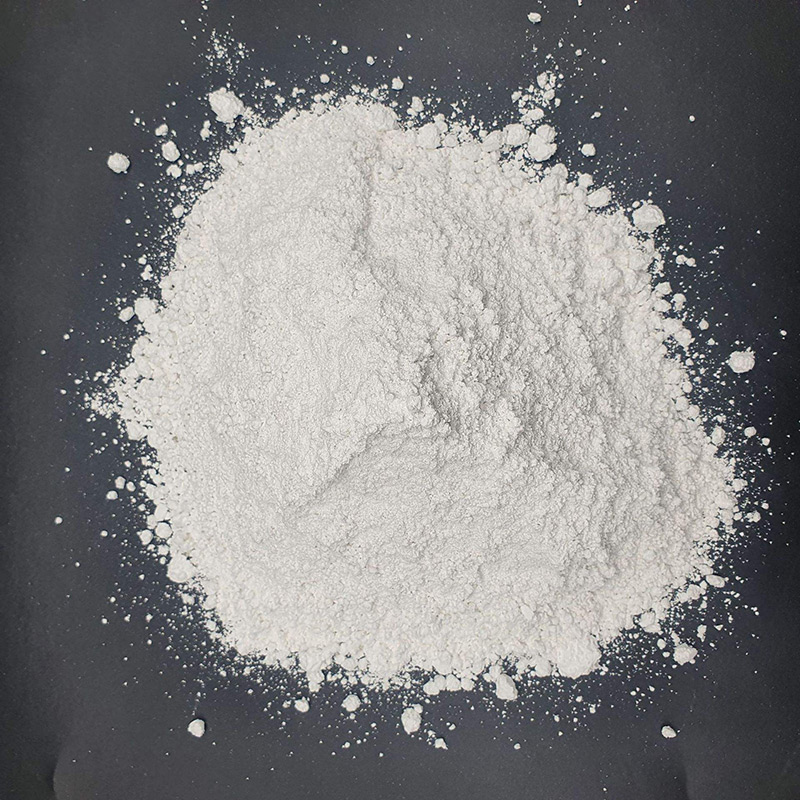
Stable Physical Characteristics: Appears as a white, amorphous, lightweight, odorless powder that is insoluble in water, providing consistent material characteristics for industrial use.
Products Description of SILICA CAS#10279-57-9
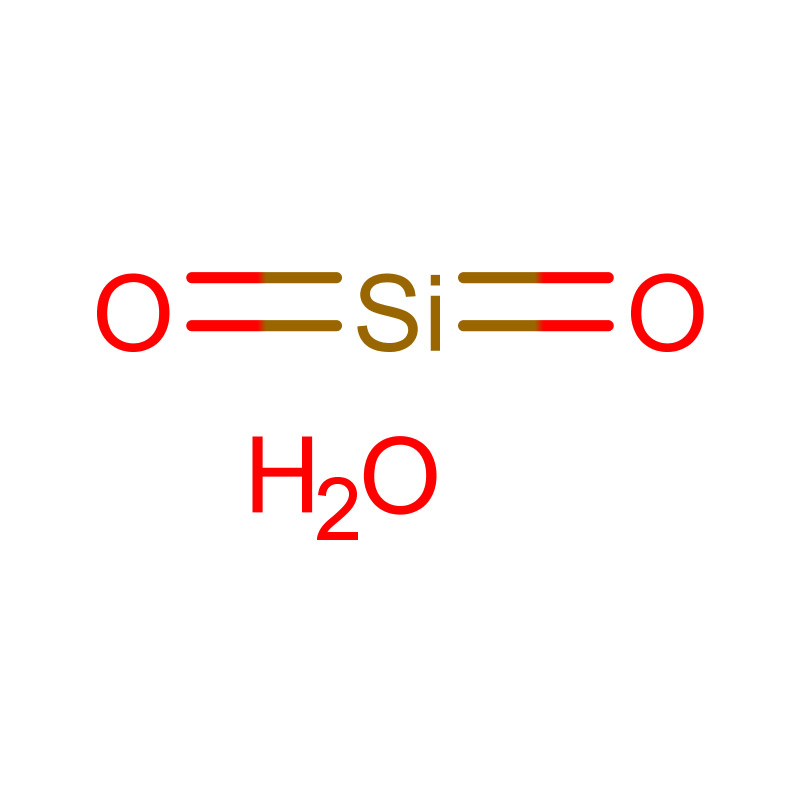
Hydrated silica, also referred to as silicon dioxide hydrate or "white carbon black," is an inorganic chemical material produced through industrial methods such as chemical precipitation. Its main component is silicon dioxide, with the chemical formula SiO₂·nH₂O. It typically appears as a white, amorphous, lightweight powder that is odorless, insoluble in water, heat-resistant, and non-flammable.
Hydrated silica is commonly used as an abrasive ingredient in toothpaste, where it helps remove soft plaque and extrinsic stains from tooth surfaces through mechanical friction. Its particles are generally smooth and fine, with a low Relative Dentin Abrasivity (RDA) value, enabling effective cleaning while helping minimize potential damage to tooth enamel.
SILICA Chemical Properties
| Melting point | 1610 °C(lit.) |
| Boiling point | >100 °C(lit.) |
| density | 2.6 g/mL at 25 °C(lit.) |
| refractive index | n20/D 1.544(lit.) |
| storage temp. | no restrictions. |
| form | tablets (~0.5 g each) |
| Water Solubility | Insoluble in water. |
| Exposure limits | NIOSH: IDLH 3000 mg/m3; TWA 6 mg/m3 |
| EPA Substance Registry System | Silica, hydrate (10279-57-9) |
| Hazard Codes | Xn |
| Risk Statements | 48/20 |
| Safety Statements | 22 |
| WGK Germany | 3 |
| RTECS | VV7340000 |
| F | 3 |
| HS Code | 2811 22 00 |
| Toxicity | LD50 orally in Rabbit: > 10000 mg/kg LD50 dermal Rabbit > 5000 mg/kg |
| Bulk density | 60-600kg/m3 |
| Solubility | water: insoluble at 20 °C |
| Physical form | Flakes (about 0.5 g each) |
| pH value | 3.0-8.0 (3.3% in water) |
| Main applications | Sample preparation |
| Cosmetic ingredient efficacy | Viscosity control Abrasives Absorbents Anti-caking agents Opacifying agents Bulking agents |
| InChI | InChI=1S/O2Si.H2O/c1-3-2;/h;1H2 |
| InChIKey | LRCFXGAMWKDGLA-UHFFFAOYSA-N |
| SMILES | [Si](=0)=0.0 |
Hydrated silica is the main abrasive ingredient used in transparent and translucent toothpaste formulations. It offers several benefits, including low abrasivity, excellent compatibility with fluoride, and a wide range of adjustable performance properties. It is also commonly incorporated as an abrasive in toothpaste products formulated for adolescent oral care.
In the cosmetics industry, hydrated silica is used in products such as facial and body scrubs, where it serves as exfoliating particles to provide gentle exfoliation.
In industrial applications, hydrated silica is used as a filler in paints and coatings, a reinforcing agent in rubber, a thickening or thixotropic agent in plastics, and a thickener in synthetic greases, including silicone grease. It is also an ingredient in a variety of household and personal care products, such as dishwashing detergents.