Monoethanolamine CAS#141-43-5
Excellent Solubility and Compatibility: Exhibits good miscibility with water, methanol, and acetone, providing strong compatibility for various formulation and synthesis processes.
Versatile Industrial Applications: Widely used as a plasticizer, vulcanizing agent, accelerator, and foaming agent in synthetic resin and rubber industries.
Important Chemical Intermediate: Serves as a key intermediate in the production of pesticides, pharmaceuticals, dyes, and other fine chemical products.
Stable Physical and Chemical Properties: Features a clear, viscous liquid form with excellent hygroscopicity and reliable chemical characteristics, supporting diverse industrial applications.
Products Description of Monoethanolamine CAS#141-43-5
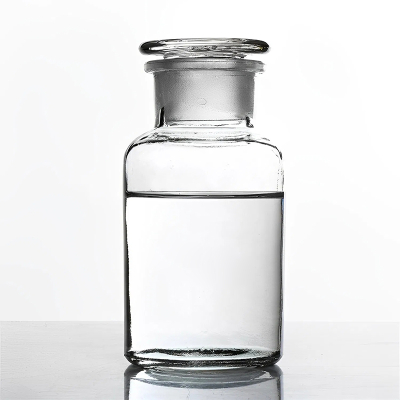
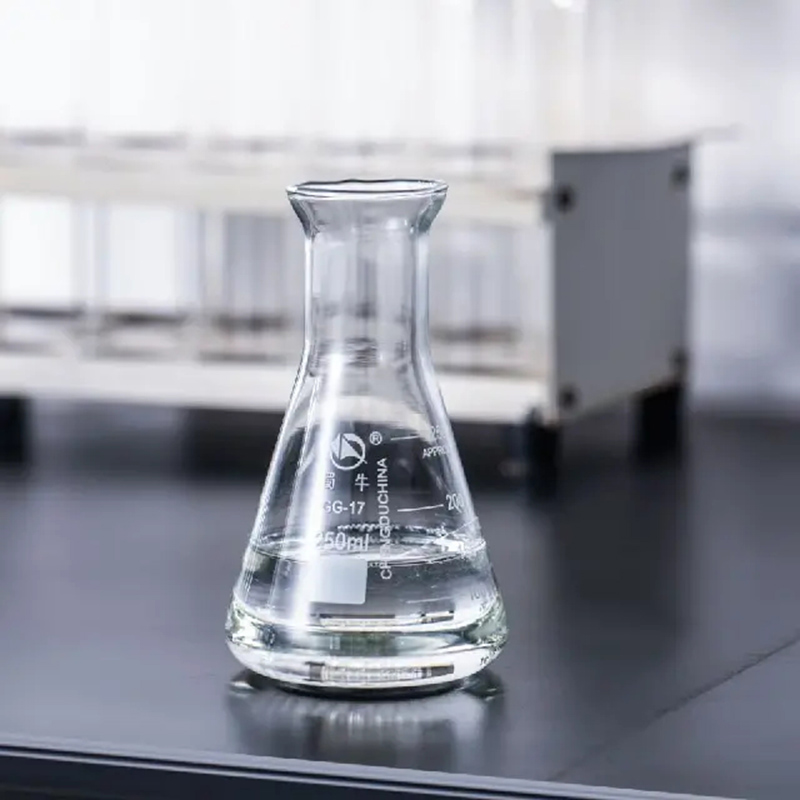
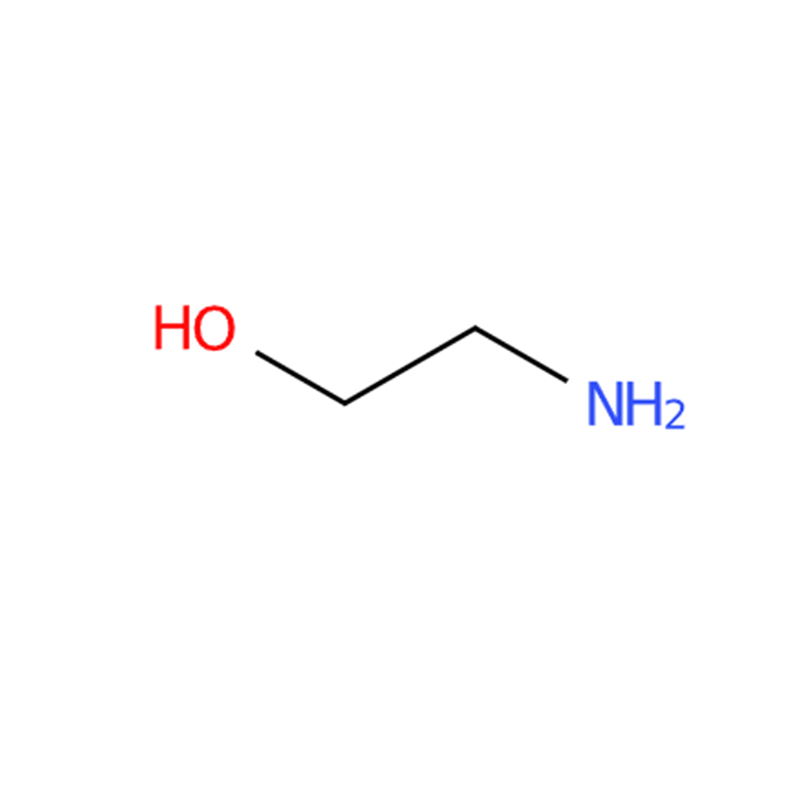
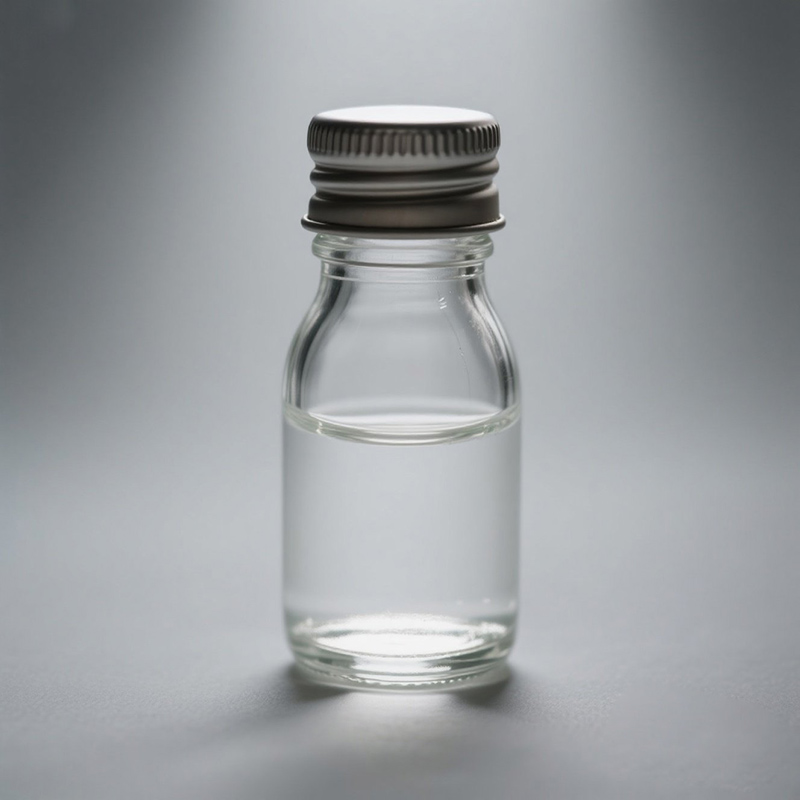
Monoethanolamine (MEA), also known as aminoethanol, has the chemical formula HOCH₂CH₂NH₂ and a molecular weight of 61.08. It is a colorless, viscous liquid with hygroscopic properties and a mild ammonia-like odor. Monoethanolamine has a melting point of 10.3°C, a boiling point of 170.8°C, and a refractive index of 1.4539. It is completely miscible with water, methanol, and acetone, slightly soluble in benzene and ether, and has limited solubility in n-pentane.
Monoethanolamine is widely used in the production of synthetic resins and rubber as a plasticizer, vulcanizing agent, accelerator, and foaming agent. It also serves as an important intermediate for the synthesis of pesticides, pharmaceuticals, dyes, and other chemical products.
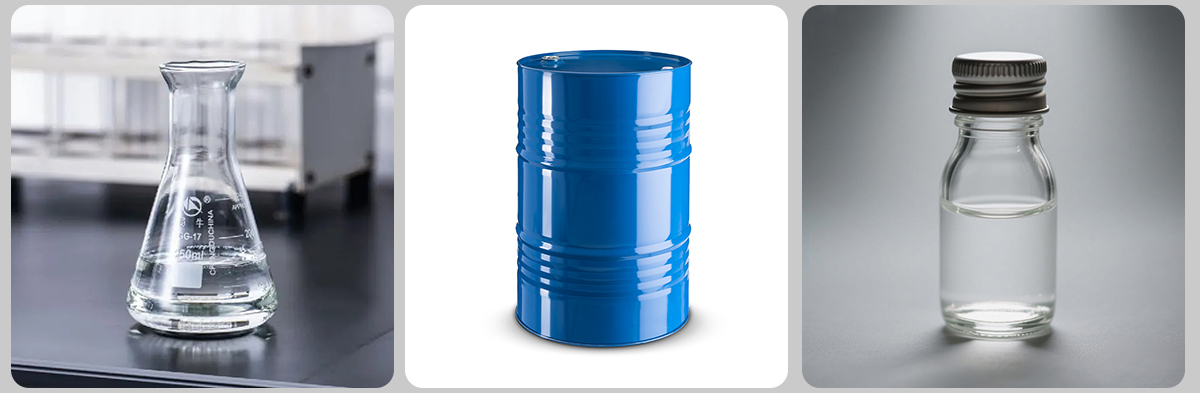
Monoethanolamine Chemical Properties
| Melting point | 10-11 °C(lit.) |
| Boiling point | 170 °C(lit.) |
| density | 1.012 g/mL at 25 °C(lit.) |
| vapor density | 2.1 (vs air) |
| vapor pressure | 0.2 mm Hg ( 20 °C) |
| refractive index | n20/D 1.454(lit.) |
| Fp | 200 °F |
| storage temp. | Store at +15°C to +25°C. |
| solubility | Soluble in benzene, ether, carbon tetrachloride. |
| pka | 9.5(at 25℃) |
| form | Liquid |
| color | APHA: ≤15 |
| Specific Gravity | 1.012 |
| Odor | ammoniacal odor |
| Relative polarity | 0.651 |
| PH | 12.1 (100g/l, H2O, 20℃) |
| explosive limit | 3.4-27%(V) |
| Water Solubility | miscible |
| Sensitive | Air Sensitive & Hygroscopic |
| Merck | 143727 |
| BRN | 505944 |
| Henry's Law Constant | 1.61(x 10-10 atm?m3/mol) at 20 °C (Bone et al., 1983) |
| Dielectric constant | 31.94 |
| Exposure limits | TLV-TWA 3 ppm (~7.5 mg/m3) (ACGIH, MSHA, and OSHA); TLV-STEL 6 ppm (~15 mg/m3) (ACGIH); IDLH 1000 ppm (NIOSH). |
| Stability: | Stable. Flammable; incompatible with strong oxidizing agents, strong acids. Hygroscopic. |
| InChIKey | HZAXFHJVJLSVMW-UHFFFAOYSA-N |
| LogP | -2.3--1.91 at 25℃ |
| CAS DataBase Reference | 141-43-5(CAS DataBase Reference) |
| NIST Chemistry Reference | Ethanolamine(141-43-5) |
| EPA Substance Registry System | Ethanolamine (141-43-5) |
| Hazard Codes | T,C |
| Risk Statements | 20/21/22-34-39/23/24/25-23/24/25-10-52/53 |
| Safety Statements | 26-36/37/39-45-61 |
| RIDADR | UN 2924 3/PG 3 |
| WGK Germany | 1 |
| RTECS | KJ5775000 |
| F | 39744 |
| Autoignition Temperature | 410 °C |
| TSCA | Yes |
| HazardClass | 8 |
| PackingGroup | III |
| HS Code | 29221100 |
| Hazardous Substances Data | 141-43-5(Hazardous Substances Data) |
| Toxicity | LD50 orally in rats: 10.20 g/kg (Smyth) |
| IDLA | 30 ppm |