New Findings Uncover the Dual Impact of Formic Acid as a Food Preservative and a Possible Trigger of Antibiotic Resistance
A recent study published in Frontiers in Microbiology has revealed the complex effects of formic acid, a widely used food-grade preservative, on pathogenic bacteria. The research shows that while formic acid is approved by the FDA for food industry applications due to its antimicrobial properties, it may also trigger a viable-but-non-culturable (VBNC) state in harmful bacteria, including Acinetobacter baumannii and Klebsiella pneumoniae. In this dormant state, bacteria can remain alive but undetectable through conventional methods, allowing them to survive, potentially recover under favorable conditions, and contribute to infection transmission and the development of new antimicrobial resistance (AMR) characteristics.

The study highlights the need for a deeper understanding of how commonly used food preservatives, such as formic acid, may influence bacterial virulence and resistance profiles. Findings indicate that these pathogens can enter a VBNC state when exposed to formic acid under temperatures commonly encountered during food processing, storage, and distribution. Furthermore, the research demonstrates that removing formic acid can restore bacterial activity, with the resuscitated bacteria showing enhanced expression of multiple virulence-related and AMR-associated genes.
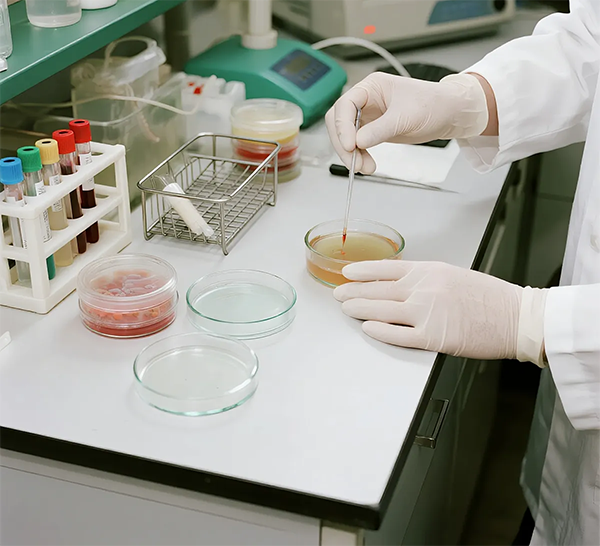
This discovery raises significant concerns due to the detection of these pathogens in hospital kitchens and frequently consumed foods, suggesting a possible connection between food handling practices and healthcare-associated infections. The study indicates that the contamination of packaged foods with pathogenic microorganisms, combined with exposure to food additives, may represent an emerging challenge for infection prevention and antimicrobial resistance management in healthcare environments.