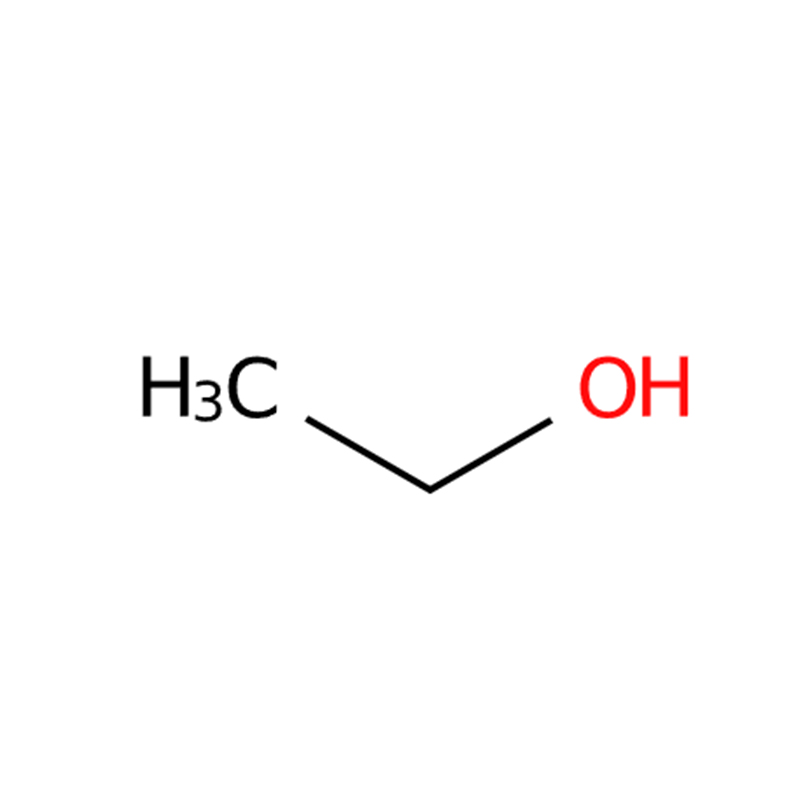
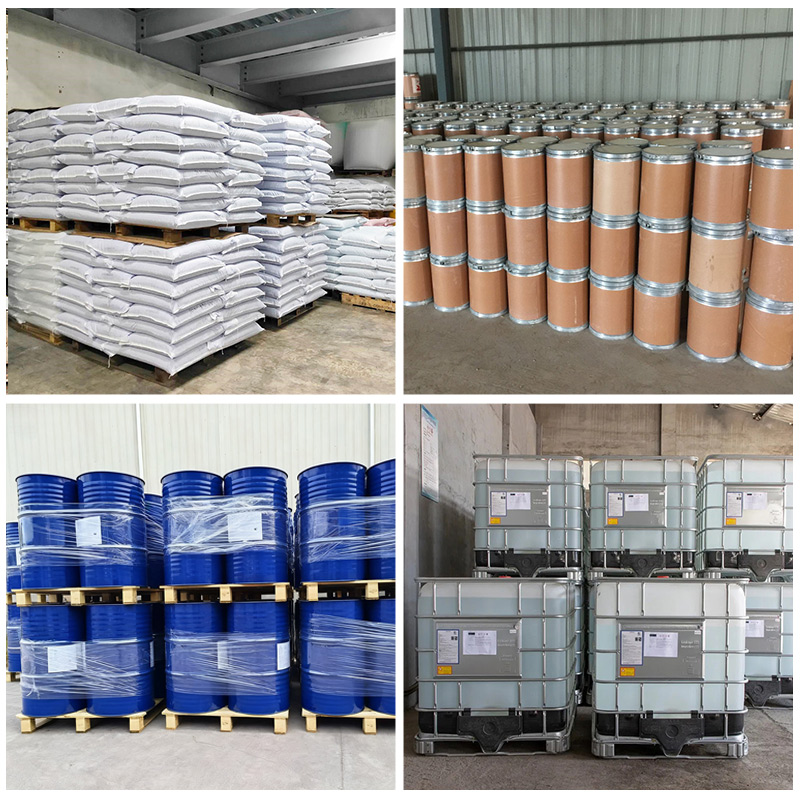
Ethanol CAS#64-17-5
Excellent Solvent Properties: As a clear and volatile liquid, ethanol offers effective solvency and is widely suitable for various industrial and chemical applications.
Renewable Bio-Based Source: Ethanol can be produced from biological sources and is naturally present in alcoholic beverages, supporting its use as a bio-based chemical.
Versatile Fuel Application: Increasingly used as an alternative or supplementary fuel, ethanol can partially replace or blend with conventional gasoline.
Outstanding Low-Temperature Performance: With a low melting point of approximately -114.5°C, ethanol is suitable for use in antifreeze and other low-temperature applications.
Ethanol CAS#64-17-5
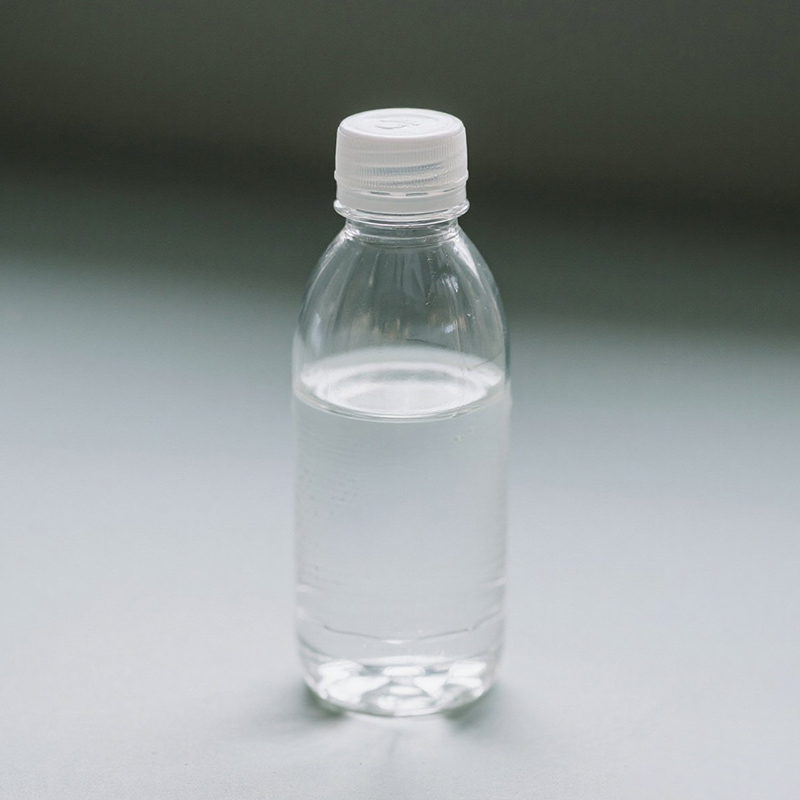
Ethanol, also known as ethyl alcohol, grain alcohol, or simply alcohol, is a clear, colorless, volatile, and flammable solvent with a characteristic odor. It has a boiling point of approximately 78.5°C and is naturally found in alcoholic beverages. Concentrated ethanol has a strong burning taste, while diluted ethanol may have a slightly sweet taste.
Ethanol is also increasingly used as a fuel, either as a replacement for or an additive to gasoline. With a low melting point of approximately -114.5°C, it is suitable for use in antifreeze products.
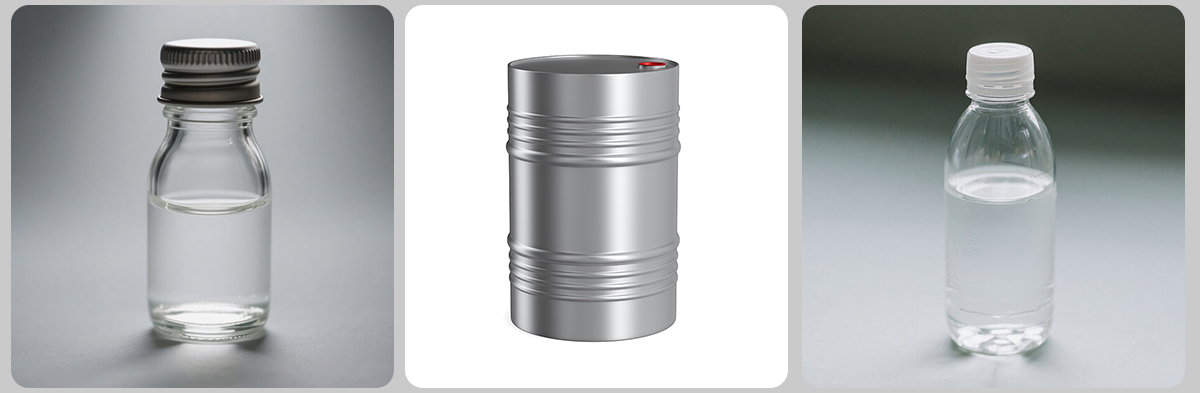
Ethanol Chemical Properties
| Melting point | -114°C |
| Boiling point | 78°C |
| density | 0.789 g/mL at 20 °C |
| vapor density | 1.59 (vs air) |
| vapor pressure | 43 mmHg at 20 °C |
| refractive index | 1.3614 |
| FEMA | 2419 | ETHYL ALCOHOL |
| Fp | 12°C |
| storage temp. | room temp |
| solubility | water: soluble (completely) |
| pka | 16(at 25℃) |
| form | Liquid. Colorless liquid / invisible vapor. |
| color | APHA: ≤10 |
| Specific Gravity | 0.80872~0.81601 |
| Relative polarity | 0.654 |
| PH | 7.0 (10g/l, H2O, 20℃) |
| Odor | Pleasant alcoholic odor detectable at 49 to 716 ppm (mean = 180 ppm) |
| explosive limit | 3.1-27.7%(V)(ethanol) |
| Odor Threshold | 0.52ppm |
| Odor Type | alcoholic |
| Water Solubility | miscible |
| Sensitive | Hygroscopic |
| λmax | λ: 240 nm Amax: 0.40 |
| λ: 250 nm Amax: 0.30 | |
| λ: 260 nm Amax: 0.30 | |
| λ: 270 nm Amax: 0.10 | |
| λ: 340 nm Amax: 0.10 | |
| Merck | 143760 |
| JECFA Number | 41 |
| BRN | 1718733 |
| Exposure limits | TLV-TWA 1900 mg/m3 (1000 ppm) (ACGIH). |
| Dielectric constant | 24.3(25℃) |
| Stability: | Stable. Substances to be avoided include strong oxidizing agents, peroxides, acids, acid chlorides, acid anhydrides, alkali metals, ammonia, moisture. Forms explosive mixtures with air. Hygroscopic. |
| LogP | -0.19 |
| CAS DataBase Reference | 64-17-5(CAS DataBase Reference) |
| IARC | 1 (Vol. 96, 100E) 2012 |
| NIST Chemistry Reference | Ethanol(64-17-5) |
| EPA Substance Registry System | Ethanol (64-17-5) |
| Hazard Codes | F,T,Xn,N |
| Risk Statements | 11-10-36/37/38-39/23/24/25-23/24/25-68/20/21/22-20/21/22-52/53-51/53 |
| Safety Statements | 16-7-36-26-45-36/37-61-24/25-2017/7/16 |
| RIDADR | 1170 |
| OEB | A |
| OEL | TWA: 1000 ppm (1900 mg/m3) |
| WGK Germany | nwg |
| RTECS | KQ6300000 |
| Autoignition Temperature | 363 °C |
| TSCA | Yes |
| HazardClass | 3 |
| PackingGroup | II |
| HS Code | 22071000 |
| Hazardous Substances Data | 64-17-5(Hazardous Substances Data) |
| Toxicity | LD50 in young, old rats (g/kg): 10.6, 7.06 orally (Wiberg) |
| IDLA | 3,300 ppm [10% LEL] |
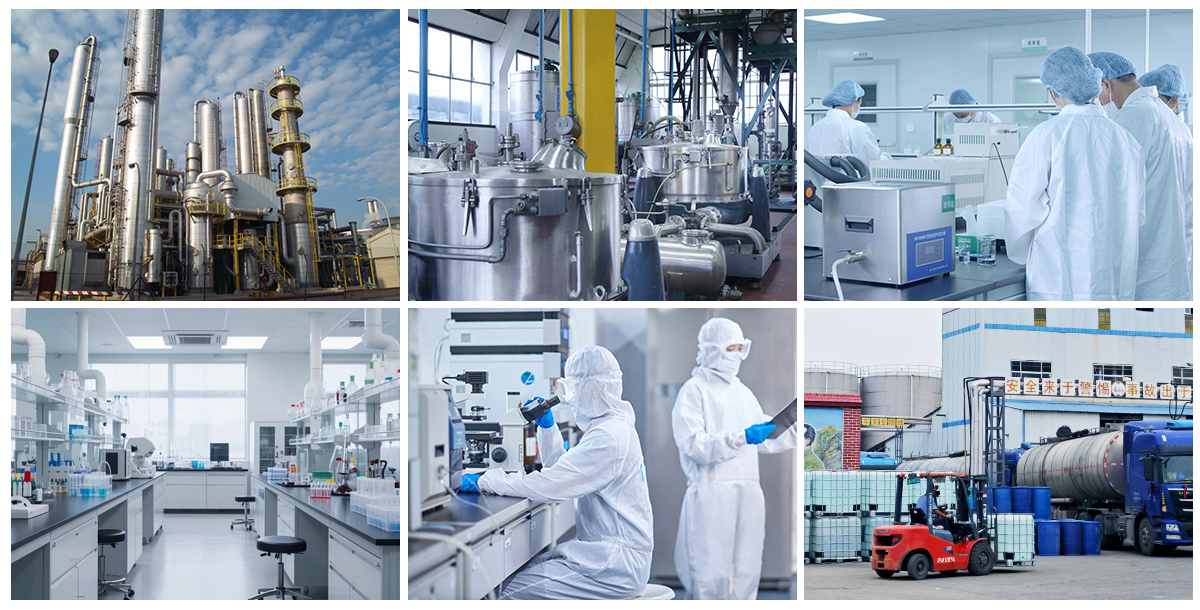
Product Usage
Medical
Ethanol solutions with concentrations of 70–85% are commonly used as disinfectants, acting by denaturing proteins and dissolving lipids. Ethanol also has various medical and pharmaceutical applications and is used in products such as pharmaceuticals, medical wipes, and as a preservative in many antibacterial hand sanitizer gels. In addition, acetaldehyde is used as a detoxifying agent due to its higher affinity for the enzyme alcohol dehydrogenase (ADH), competitively inhibiting the formation of toxic metabolites following the ingestion of toxic alcohols.
Fuel
Ethanol is flammable and burns more cleanly than many conventional fuels. It can be used as a cooking fuel and as an alternative to wood, charcoal, propane, or lighting fuels such as kerosene.
Others
Ethanol used as an intermediate in the chemical, pharmaceutical, and cosmetic industries is often required to meet high purity standards. It can also be used in deicing and antifreeze formulations for cleaning automobile windshields. In addition, ethanol is commonly found in perfumes, deodorants, and various other cosmetic products.