Main Applications of Dimethyl Disulfide
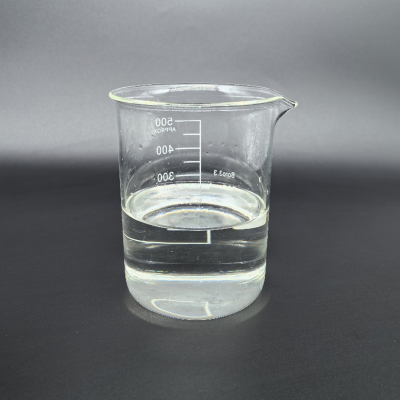
Dimethyl Disulfide (DMDS) is a colorless to pale yellow liquid with a distinctive garlic-like odor. As a versatile sulfur-containing compound, it is widely used across a variety of industrial sectors. Its unique characteristics, including high sulfur content, strong reactivity, and relatively low toxicity compared with other sulfur compounds, make it an important material in industries ranging from petrochemical processing to agriculture and food production. This document outlines the major applications of DMDS, describing its functional roles and benefits throughout different industrial processes, while also providing relevant long-tail keywords for industry professionals and potential users.
1. Petrochemical Industry: Catalyst Activation and Desulfurization Support
The petrochemical industry represents one of the major application areas for DMDS, where its high sulfur content is primarily utilized for catalyst activation and desulfurization processes. During the steam cracking of hydrocarbons to produce ethylene, propylene, and other olefins, DMDS is commonly used as a sulfur donor to activate metal oxide catalysts, including nickel oxide and molybdenum oxide. The sulfur released from DMDS reacts with these metal oxides to form active metal sulfide catalysts, which can improve cracking efficiency and reaction selectivity while reducing the formation of unwanted by-products.
DMDS is also used as a supporting agent in the hydrodesulfurization (HDS) of fuels such as gasoline and diesel. By regulating the sulfur content within the reaction system, DMDS can help maintain the activity of HDS catalysts and support the deep desulfurization of fuels, helping them meet stringent environmental emission requirements such as Euro VI and EPA Tier 3 standards.
Relevant long-tail keywords: DMDS for steam cracking catalyst activation, dimethyl disulfide in fuel hydrodesulfurization, DMDS as a sulfur donor in petrochemical processing.

2. Agriculture: Soil Fumigant and Nematicide
In agriculture, DMDS is used as an effective soil fumigant and nematicide for controlling soil-borne pests, nematodes, weeds, and pathogenic fungi. Compared with traditional fumigants such as methyl bromide, which has been phased out or restricted in many applications because of its ozone-depleting properties, DMDS has a shorter residual period in soil and can serve as an alternative soil fumigant in suitable applications.
DMDS is particularly applicable to greenhouse cultivation, cash crops such as strawberries, tomatoes, cucumbers, and ginseng, as well as orchard production. After being applied to the soil, DMDS volatilizes and forms toxic vapors that penetrate soil pores and act against target pests and pathogens. This can contribute to improved soil conditions and support crop yield and quality. DMDS can also be used together with other fumigants, such as chloropicrin, to enhance overall soil fumigation effectiveness.
Relevant long-tail keywords: DMDS soil fumigant for greenhouse crops, dimethyl disulfide nematicide for strawberry planting, environmentally friendly DMDS for orchard soil disinfection.
3. Food Industry: Flavoring Agent and Food Additive
DMDS is used as a food flavoring agent because of its characteristic garlic-like flavor. It can be incorporated into various food products to enhance or reproduce the flavor profiles of garlic, onions, and other allium vegetables. Typical applications include processed meat products such as sausages, ham, and bacon; condiments such as soy sauce, vinegar, and chili sauce; convenience foods such as instant noodles and frozen meals; and certain beverages.
The amount of DMDS used in food products is strictly controlled, generally at ppm-level concentrations, to achieve the desired flavor while maintaining appropriate food safety requirements. In addition, DMDS can be used as a flavoring component in animal feed to improve feed palatability.
Relevant long-tail keywords: DMDS food flavoring agent for processed meat, dimethyl disulfide as a garlic flavor additive, DMDS in condiment production.

4. Other Industrial Applications
In addition to its major uses in petrochemical processing, agriculture, and food production, DMDS has applications in several other industrial fields:
1. Rubber Industry: DMDS can be used as a vulcanization accelerator or modifier to improve vulcanization efficiency and cross-linking density, thereby enhancing the mechanical properties of rubber products, including tensile strength and wear resistance.
2. Pharmaceutical Industry: DMDS can serve as an intermediate in the synthesis of certain pharmaceutical compounds, including some sulfur-containing drugs used in antibacterial applications.
3. Gas Odorant: Because of its strong and distinctive odor, DMDS can be added in trace amounts to natural gas, liquefied petroleum gas (LPG), and other fuel gases as an odorant. This helps make gas leaks easier to detect and contributes to safer handling and use of fuel gases.
Relevant long-tail keywords: DMDS as a rubber vulcanization accelerator, dimethyl disulfide pharmaceutical intermediate, DMDS odorant for natural gas leak detection.