Sodium Bicarbonate CAS 144-55-8: Product Specifications
Sodium Bicarbonate: Essential Specifications, Technical Features, and Industrial Applications
In the global chemical industry, sodium bicarbonate—widely known as baking soda—has gained recognition as a versatile, safe, and economical chemical compound. With extensive applications in industries including food processing, pharmaceuticals, agriculture, and environmental protection, a comprehensive understanding of its key specifications and technical characteristics is essential for companies seeking dependable raw material solutions. This article provides an overview of sodium bicarbonate’s fundamental properties, quality standards, and technical advantages to help customers make informed decisions.
What is Sodium Bicarbonate?
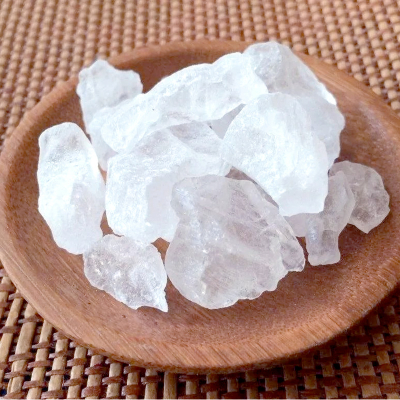
Sodium bicarbonate (chemical formula: NaHCO₃) is a white crystalline powder or granular substance with a slightly alkaline taste. It naturally exists as the mineral nahcolite and is mainly produced industrially through the Solvay process, in which sodium chloride, ammonia, and carbon dioxide undergo chemical reactions.
Its unique molecular structure, consisting of sodium ions (Na⁺) and bicarbonate ions (HCO₃⁻), gives it several distinctive characteristics, including mild alkalinity, thermal decomposition capability (releasing CO₂ when heated above 50°C), and water solubility (9.6 g/100 mL at 20°C). These properties allow sodium bicarbonate to serve as an essential material across a wide range of industrial and consumer applications.
Core Specifications and Quality Standards
Both industrial-grade and food-grade sodium bicarbonate are produced according to strict international standards, including USP, FCC, and GB 1886.2-2015. Key quality specifications include:
Purity
Food-grade sodium bicarbonate generally has a purity of ≥99.0%.
Industrial-grade products typically achieve purity levels of ≥98.5%.
High purity ensures low levels of impurities, including chlorides (≤0.05%), sulfates (≤0.03%), and heavy metals (≤10 ppm), helping maintain the quality and safety of final products.
Particle Size
Particle size can be customized according to different application requirements, ranging from 20 mesh coarse granules to 400 mesh ultrafine powder.
Food-grade sodium bicarbonate commonly uses 80–200 mesh particles to achieve uniform mixing and consistent performance.
Industrial-grade products may utilize 20–60 mesh particles for applications such as filtration and absorption.
Moisture Content
The moisture content is typically controlled at ≤0.2%, helping prevent clumping and ensuring long-term storage stability.
pH Value
A 1% aqueous solution generally has a pH value of 8.3–8.6, demonstrating its mild alkalinity and suitability for neutralization processes without causing excessive corrosiveness.
Technical Advantages and Wide Application Potential
The outstanding technical properties of sodium bicarbonate enable its use across multiple industries:
Excellent Neutralization Performance
Sodium bicarbonate effectively neutralizes acidic substances, including industrial wastewater, acidic waste streams, and exhaust gases such as those generated during flue gas desulfurization. Its use helps reduce environmental impact without generating harmful byproducts.
Controlled Thermal Decomposition
Sodium bicarbonate gradually decomposes under moderate heating conditions, producing carbon dioxide and water. This property makes it suitable for applications such as baking leavening, fire extinguishing systems, and thermal insulation materials.

High Safety and Compatibility
As a non-toxic and non-corrosive compound, sodium bicarbonate demonstrates excellent compatibility with many organic and inorganic substances. It is widely used in:
Food processing as a leavening agent and pH regulator;
Pharmaceutical formulations as an antacid and buffering agent;
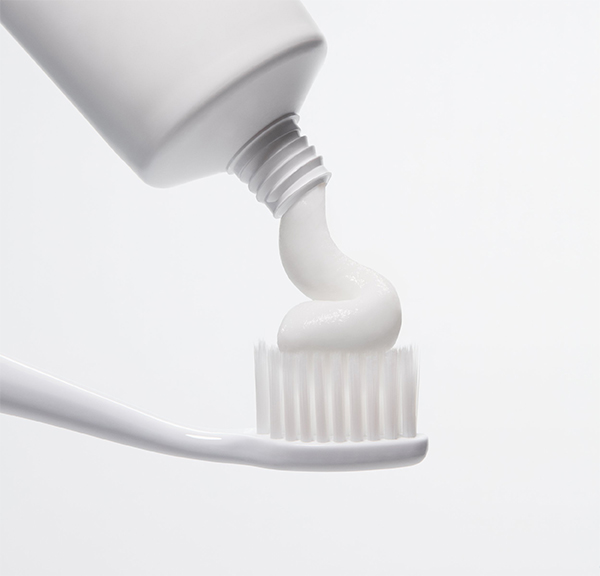
Personal care products such as toothpaste and skincare formulations.
Strong Adsorption Capability
Sodium bicarbonate can capture odors, heavy metals, and certain pollutants, making it valuable in applications including water purification, air treatment, and agricultural soil improvement.
Why Choose High-Quality Sodium Bicarbonate?
For industrial users, strict compliance with product specifications is essential to ensure consistent quality, regulatory compliance, and production efficiency. High-purity sodium bicarbonate can help reduce manufacturing losses, minimize equipment damage, and improve the safety and reliability of finished products, especially in industries such as food, pharmaceuticals, and healthcare.
Whether applied as a baking ingredient, pharmaceutical buffering agent, environmental treatment material, or eco-friendly cleaning component, sodium bicarbonate delivers outstanding versatility and dependable performance.
As global demand continues to increase for sustainable and multifunctional chemical materials, sodium bicarbonate remains a fundamental industrial compound. Its well-established specifications, stable quality, and broad technical applications continue to support innovation across various industries.