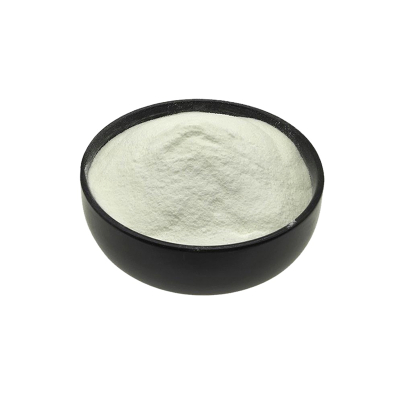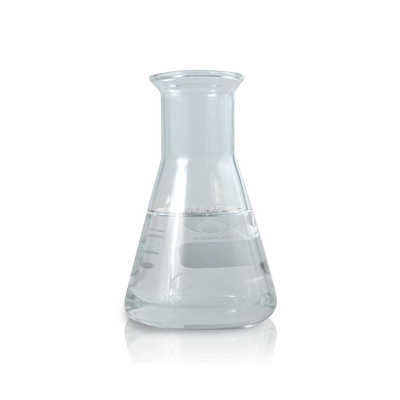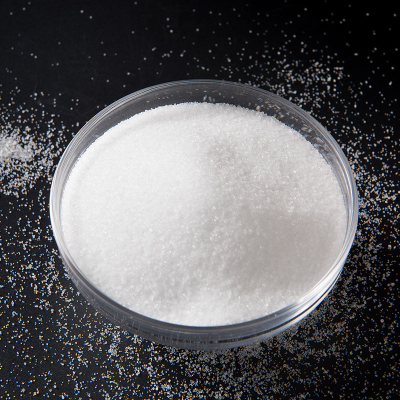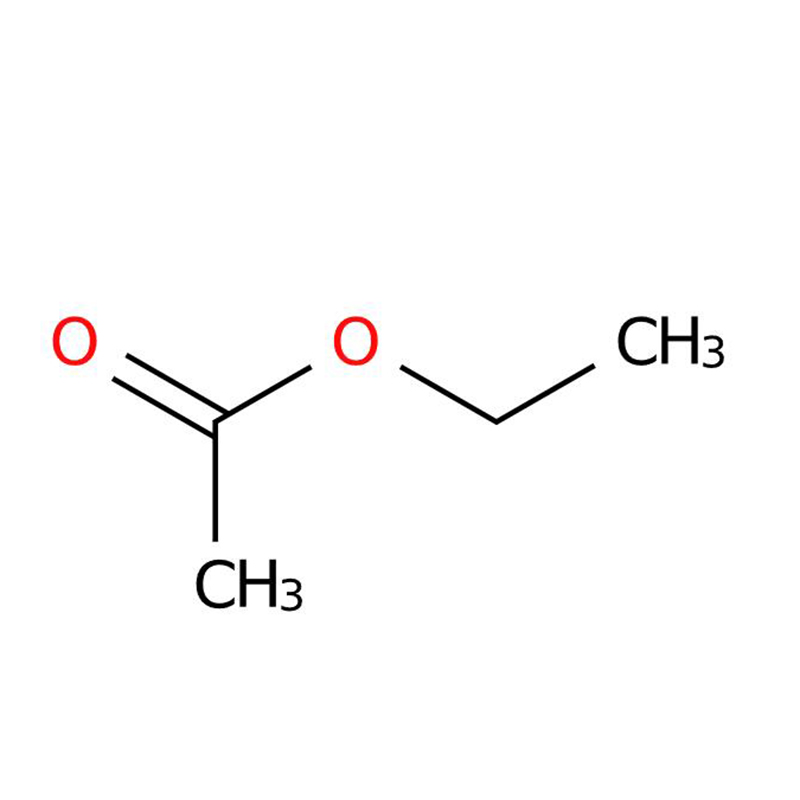
Ethyl acetate CAS#141-78-6
Versatile Solvent: Ethyl acetate is highly miscible with various solvents like ethanol, acetone, and benzene, making it ideal for a wide range of applications.
Fruity Odor: Its pleasant fruity scent is detectable at low concentrations, which makes it suitable for use in perfumes and flavoring agents.
Low Boiling Point: With a boiling point of 76.5°C, it is an efficient solvent for processes that require quick evaporation.
Stable and Reliable: It remains stable under normal conditions but is highly flammable and needs careful handling.
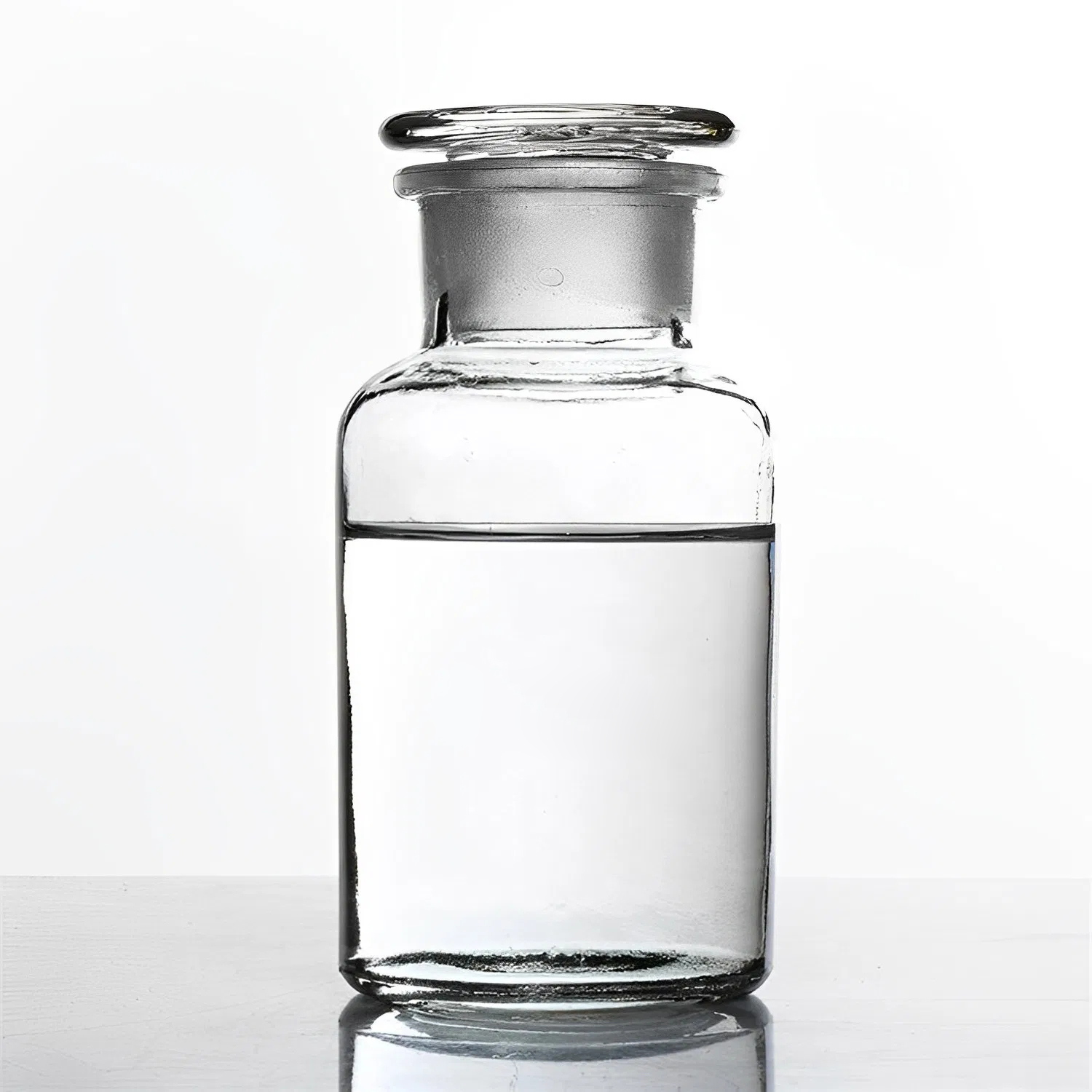
Ethyl acetate is the most well-known ester for many chemistry students and likely the ester with the broadest range of applications. Esters are formed structurally from carboxylic acids by substituting the acidic hydrogen with an alkyl or aryl group. Ethyl acetate is a colorless liquid at room temperature, possessing a pleasant "fruity" odor, with a boiling point of 77°C.
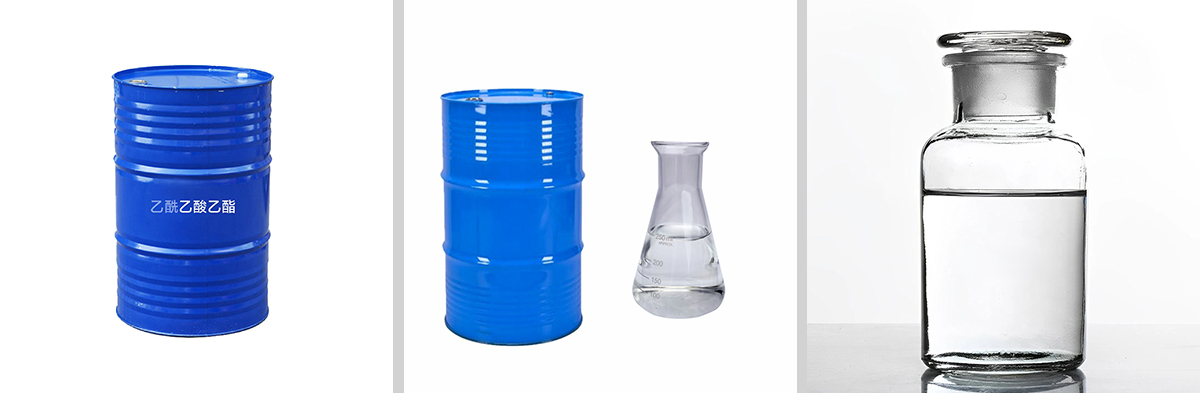
Ethyl acetate Chemical Properties |
Melting point | −84 °C(lit.) |
Boiling point | 76.5-77.5 °C(lit.) |
density | 0.902 g/mL at 25 °C(lit.) |
vapor density | 3 (20 °C, vs air) |
vapor pressure | 73 mm Hg ( 20 °C) |
refractive index | n20/D 1.3720(lit.) |
FEMA | 2414 | ETHYL ACETATE |
Fp | 26 °F |
storage temp. | Store at +2°C to +25°C. |
solubility | Miscible with ethanol, acetone, diethyl ether and benzene. |
pka | 16-18(at 25℃) |
form | Liquid |
Specific Gravity | 0.902 (20/20℃) |
color | APHA: ≤10 |
Odor | Pleasant fruity odor detectable at 7 to 50 ppm (mean = 18 ppm) |
Relative polarity | 0.228 |
explosive limit | 2.2-11.5%, 38°F |
Odor Threshold | 0.87ppm |
Odor Type | ethereal |
biological source | synthetic |
Water Solubility | 80 g/L (20 ºC) |
λmax | λ: 256 nm Amax: ≤1.00 |
JECFA Number | 27 |
Merck | 14,3757 |
BRN | 506104 |
Henry's Law Constant | 0.39 at 5.00 °C, 0.58 at 10.00 °C, 0.85 at 15.00 °C, 1.17 at 20.00 °C, 1.58 at 25.00 °C (column stripping-UV, Kutsuna et al., 2005) |
Exposure limits | TLV-TWA 400 ppm (~1400 mg/m3) (ACGIH, MSHA, and OSHA); IDLH 10,000 ppm (NIOSH). |
Dielectric constant | 23.0(Ambient) |
Stability: | Stable. Incompatible with various plastics, strong oxidizing agents. Highly flammable. Vapour/air mixtures explosive. May be moisture sensitive. |
InChIKey | XEKOWRVHYACXOJ-UHFFFAOYSA-N |
LogP | 0.68-0.73 at 20-25℃ |
Surface tension | 23.93mN/m at 293.15K |
CAS DataBase Reference | 141-78-6(CAS DataBase Reference) |
NIST Chemistry Reference | Ethyl acetate(141-78-6) |
EPA Substance Registry System | Ethyl acetate (141-78-6) |
Safety Information |
Hazard Codes | F,Xi,Xn,T |
Risk Statements | 11-36-66-67-20/21/22-10-39/23/24/25-23/24/25-68/20/21/22 |
Safety Statements | 16-26-33-36/37-45-7-25 |
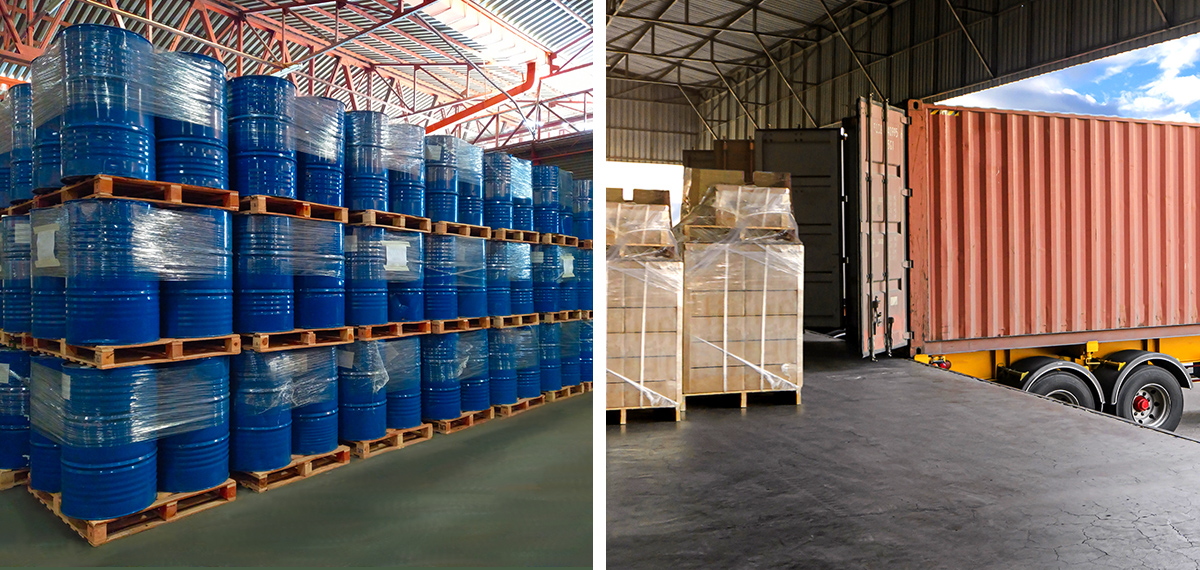
RIDADR | UN 1173 3/PG 2 |
OEB | A |
OEL | TWA: 400 ppm (1400 mg/m3) |
WGK Germany | 1 |
RTECS | AH5425000 |
F | 1 |
Autoignition Temperature | 427 °C |
TSCA | Yes |
HS Code | 2915 31 00 |
HazardClass | 3 |
PackingGroup | II |
Hazardous Substances Data | 141-78-6(Hazardous Substances Data) |
Toxicity | LD50 orally in rats: 11.3 ml/kg (Smyth) |
IDLA | 2,000 ppm [10% LEL] |