Ethylene CAS#74-85-1
Essential Petrochemical Feedstock – A fundamental raw material for the production of synthetic fibers, synthetic rubber, plastics, and numerous industrial chemicals.
Wide Manufacturing Applications – Used in the synthesis of key products including polyethylene, polyvinyl chloride (PVC), vinyl chloride, styrene, ethylene oxide, acetic acid, acetaldehyde, and ethanol.
Plant Growth Regulation Function – Naturally acts as a plant hormone that promotes fruit ripening, leaf abscission, and regulates plant growth.
Excellent Chemical Processing Performance – Highly reactive olefin with good solubility in common organic solvents such as ether and acetone, making it suitable for a wide range of chemical synthesis processes.
Products Description of Ethylene
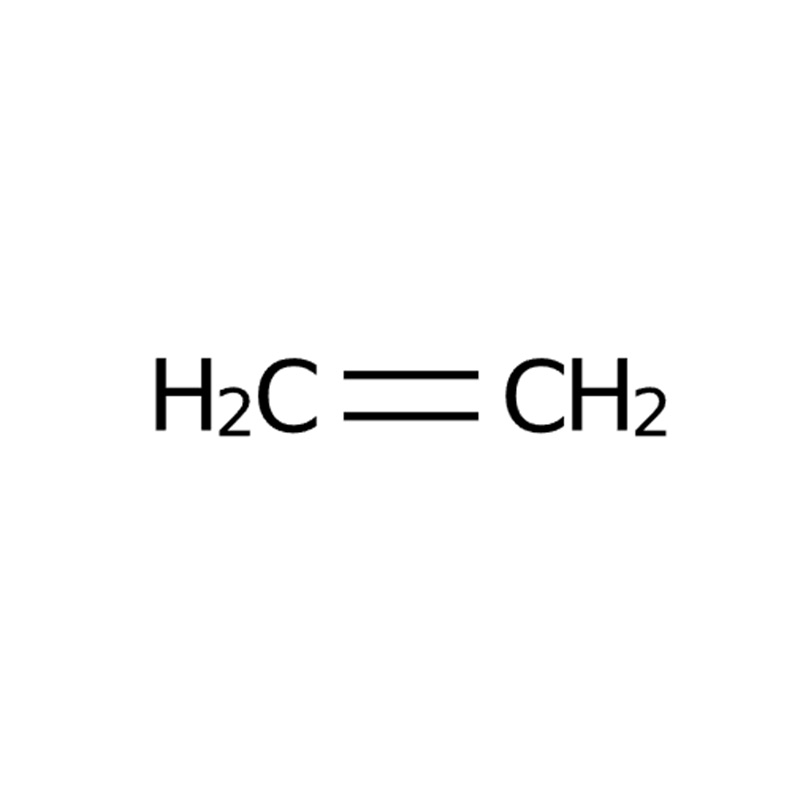
Ethylene is the simplest olefin, consisting of two carbon atoms and four hydrogen atoms linked by a carbon–carbon double bond, with the molecular formula CH₂=CH₂. It is an essential basic chemical raw material used in the production of synthetic fibers, synthetic rubber, synthetic plastics such as polyethylene and polyvinyl chloride (PVC), and synthetic ethanol.
Ethylene is also an important intermediate for manufacturing vinyl chloride, styrene, ethylene oxide, acetic acid, acetaldehyde, ethanol, and explosives. In plants, it occurs naturally as a metabolic product, where it regulates growth by slowing plant development, promoting leaf abscission, and accelerating fruit ripening.
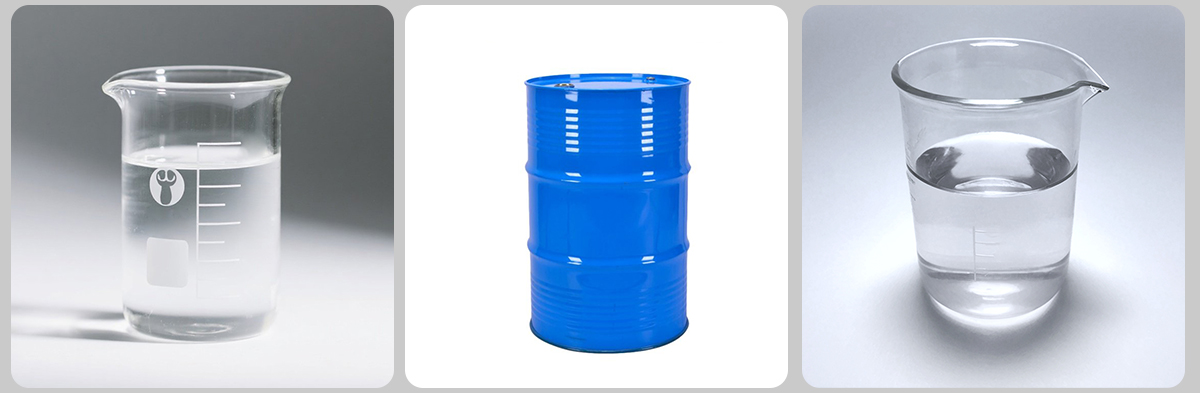
At room temperature, ethylene is a colorless, flammable gas with a melting point of -169°C and a boiling point of -103.7°C. It is almost insoluble in water, slightly soluble in ethanol, and readily soluble in ether and acetone.
| Melting point | -169 °C(lit.) |
| Boiling point | -104 °C(lit.) |
| Density | 0.00126 |
| Vapor density | 0.97 (vs air) |
| Vapor pressure | 35.04 atm (20 °C) |
| Refractive index | 1.363 |
| Flash point | -100°C |
| State | colorless gas |
| Explosive limits | 36% |
| Water solubility | 90.91g/L(25 °C) |
| Specific heat capacity | Cp(gas): 1.53 J/(g-K), at 25℃ |
| Freezing point | -169.4°℃ |
| Merck | 133,825 |
| BRN | 1730731 |
| Henry's Law Constant | 5.9x10⁻⁵ mol/(m3Pa) at 25°C, Burkholder et al. (2019) |
| Stability | Stable. Highly flammable – note the wide explosion limits. Incompatible with strong oxidizers. Easily forms explosive mixtures with air. |
| InChI | 1S/C2H4/c1-2/h1-2H2 |
| InChIKey | VGGSQFUCUMXWEO-UHFFFAOYSA-N |
| SMILES | C=C |
Product Application of Ethylene
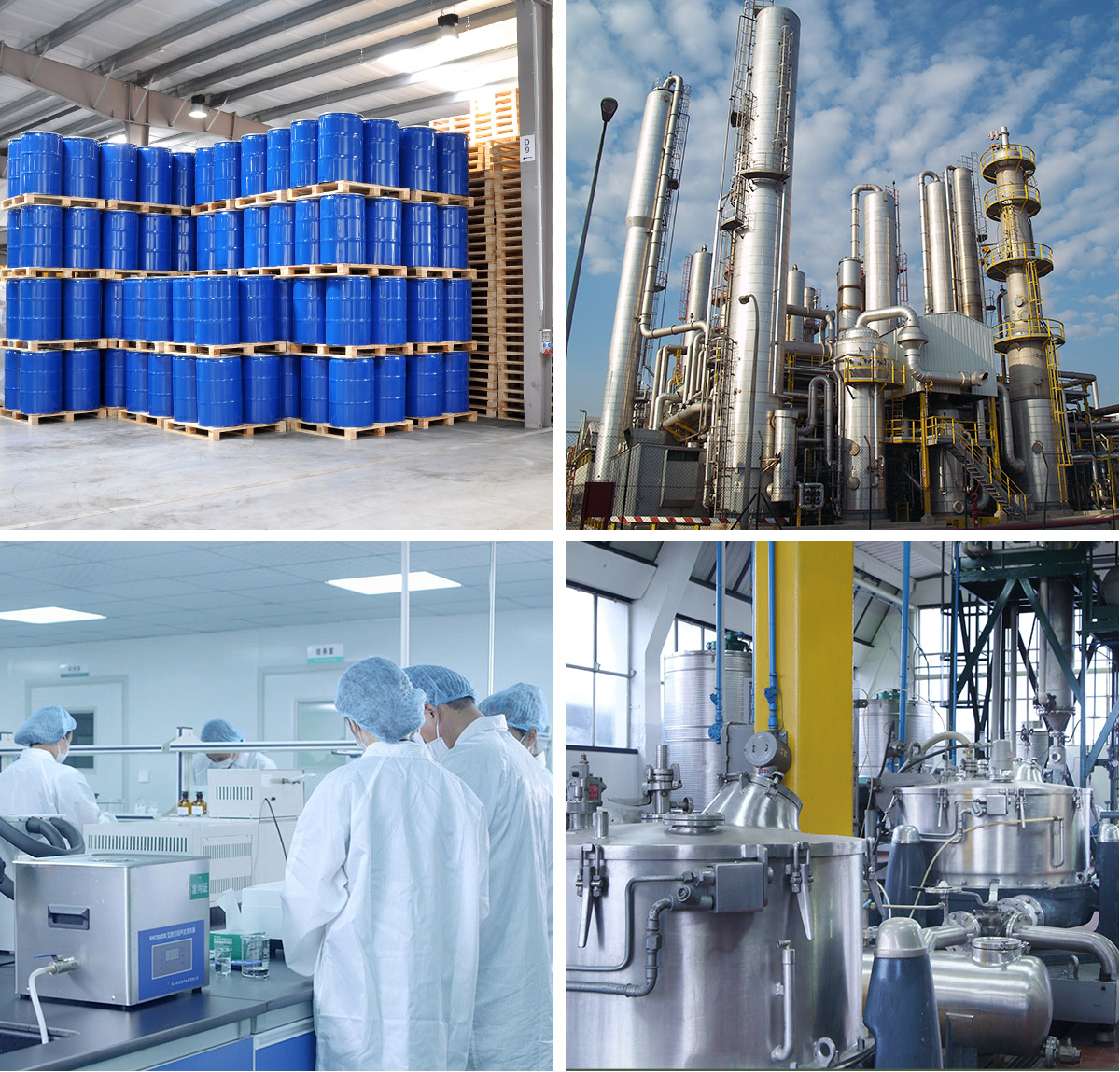
Ethylene is a key basic raw material in the organic chemical industry and is primarily used in the production of polyethylene, ethylene-propylene rubber, polyvinyl chloride (PVC), and other petrochemical products. It is one of the most important feedstocks in the petrochemical industry.
In the field of synthetic materials, ethylene is widely used in the manufacture of polyethylene, vinyl chloride, PVC, ethylbenzene, styrene, polystyrene, and ethylene-propylene rubber. It also plays a vital role in organic synthesis, serving as a raw material for the production of ethanol, ethylene oxide, ethylene glycol, acetaldehyde, acetic acid, propionaldehyde, propionic acid and its derivatives, as well as many other essential organic chemical intermediates.