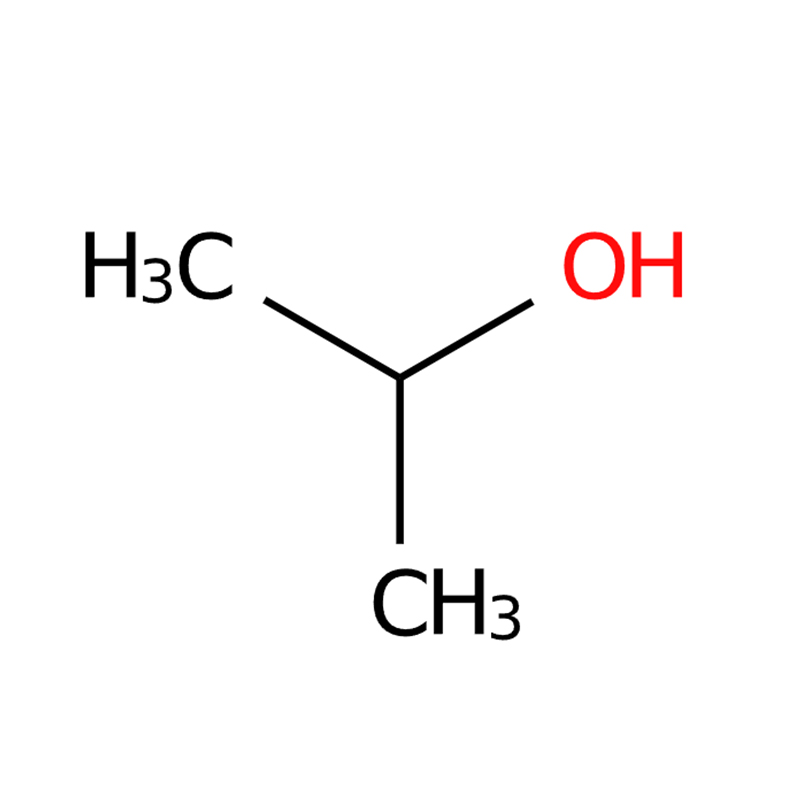
Isopropyl alcohol CAS#67-63-0
Versatile Applications: Isopropanol is widely used as a disinfectant, cleaner, and solvent in household, medical, and industrial applications.
Solubility: It is completely miscible with water and many organic solvents, enhancing its utility in a variety of chemical processes.
Ease of Synthesis: Isopropanol can be synthesized via multiple methods, including hydration of propylene and catalytic hydrogenation of acetone.
Essential Chemical: It is crucial in the production of acetone and is used in manufacturing various commercial and industrial products, making it indispensable in several sectors.
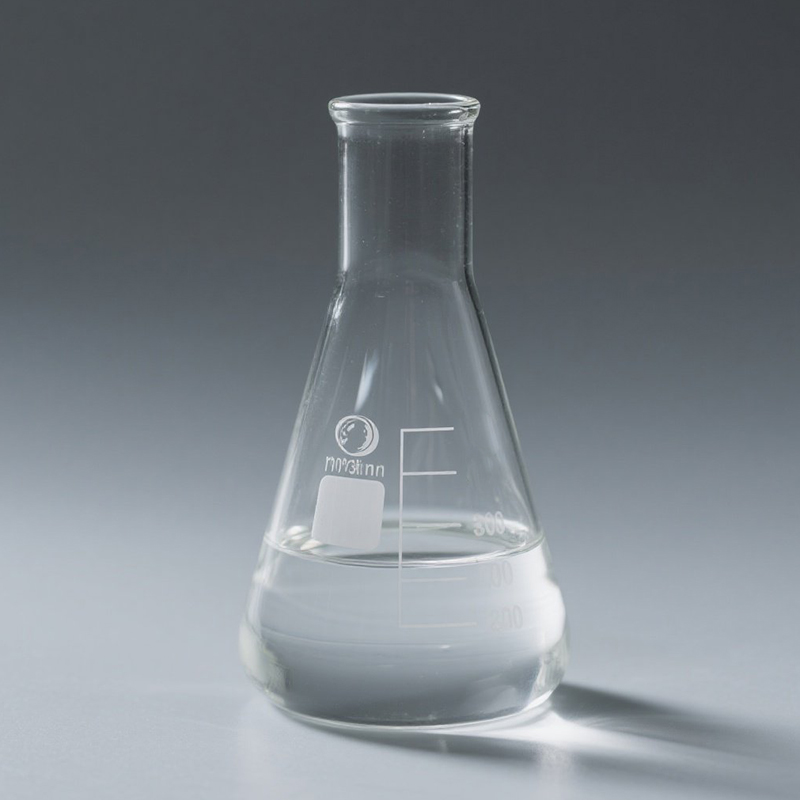
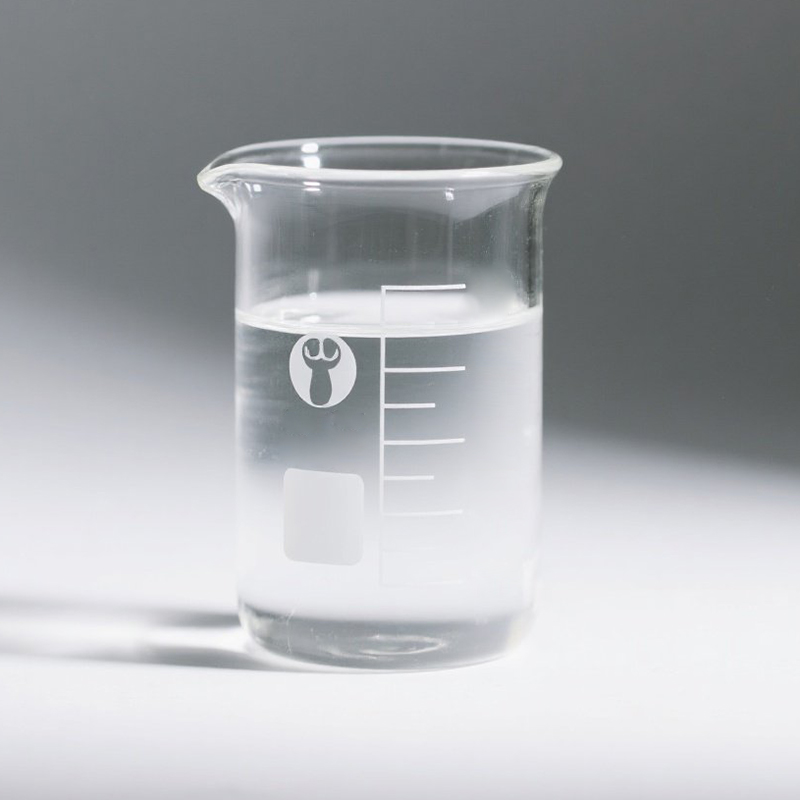
Isopropanol, also known as isopropyl alcohol, is a clear, colorless liquid with a strong, distinct odor. Widely recognized as rubbing alcohol, it is commonly used by the public for a variety of purposes, including as a disinfectant, cleaner, and solvent. In addition to its widespread use in household and medical applications, isopropanol is crucial in the production of acetone and serves as a solvent in manufacturing various industrial and commercial products.
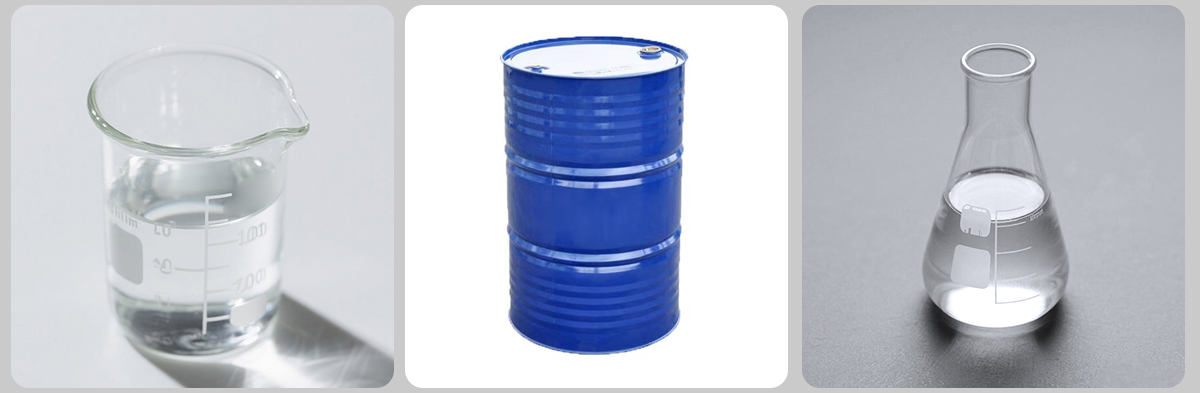
Highly flammable, it is miscible with both water and a wide range of organic solvents, making it versatile in multiple chemical processes. Isopropanol can be synthesized through three primary methods: the indirect hydration of propylene (using a strong acid catalyst), direct hydration of propylene, and catalytic hydrogenation of acetone. Its extensive applications and ease of preparation make it an essential chemical in many sectors.
Parameters
Melting point | -89.5 °C |
Boiling point | 82 °C(lit.) |
density | 0.785 g/mL at 25 °C(lit.) |
vapor density | 2.1 (vs air) |
vapor pressure | 33 mm Hg ( 20 °C) |
refractive index | n20/D 1.377(lit.) |
FEMA | 2929 | ISOPROPYL ALCOHOL |
Fp | 53 °F |
storage temp | Store at +5°C to +30°C. |
solubility | water: soluble (completely) |
pka | 17.1(at 25℃) |
form | Low Melting Solid |
Specific Gravity | approximate 0.785(20/20℃)(Ph.Eur.) |
color | colorless |
PH | 7.0 (20°C) |
Odor | Like ethyl alcohol; sharp, somewhat unpleasant; characteristic mild alcoholic; nonresidual. |
Relative polarity | 0.546 |
Odor Threshold | 26ppm |
Odor Type | alcoholic |
explosive limit | 2-13.4%(V) |
biological source | synthetic |
Water Solubility | miscible |
FreezingPoint | -89.5℃ |
λmax | λ: 260 nm Amax: 0.02 |
Merck | 14,5208 |
JECFA Number | 277 |
BRN | 635639 |
Exposure limits | TLV-TWA 980 mg/m3 (400 ppm); STEL 1225 mg/m3 (500 ppm) (ACGIH); IDLH 12,000 ppm (NIOSH). |
Dielectric constant | 18.0(Ambient) |
Stability | Volatile |
LogP | 0.050 |
Surface tension | 21.3mN/m at 293.15K |
CAS DataBase Reference | 67-63-0(CAS DataBase Reference) |
NIST Chemistry Reference | Isopropyl alcohol(67-63-0) |
IARC | 3 (Vol. 15, Sup 7, 71) 1999 |
EPA Substance Registry System | Isopropanol (67-63-0) |
Absorption | in accordance |
Safety Information
Hazard Codes | Xi,F,Xn |
Risk Statements | 11-36-67-40-10-36/38 |
Safety Statements | 7-16-24/25-26-36/37 |
RIDADR | UN 1219 3/PG 2 |
OEB | A |
OEL | TWA: 400 ppm (980 mg/m3), STEL: 500 ppm (1225 mg/m3) |
WGK Germany | 1 |
RTECS | NT8050000 |
F | 3-10 |
Autoignition Temperature | 750 °F |
TSCA | Yes |
HS Code | 2905 12 00 |
HazardClass | 3 |
PackingGroup | II |
Hazardous Substances Data | 67-63-0(Hazardous Substances Data) |
Toxicity | LD50 orally in rats: 5.8 g/kg (Smyth, Carpenter) |
IDLA | 2,000 ppm [10% LEL] |