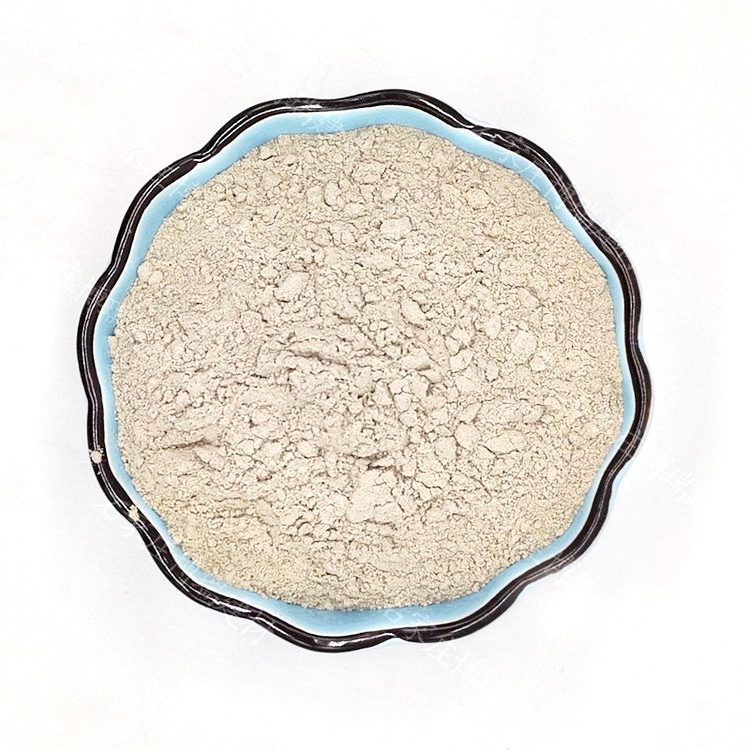
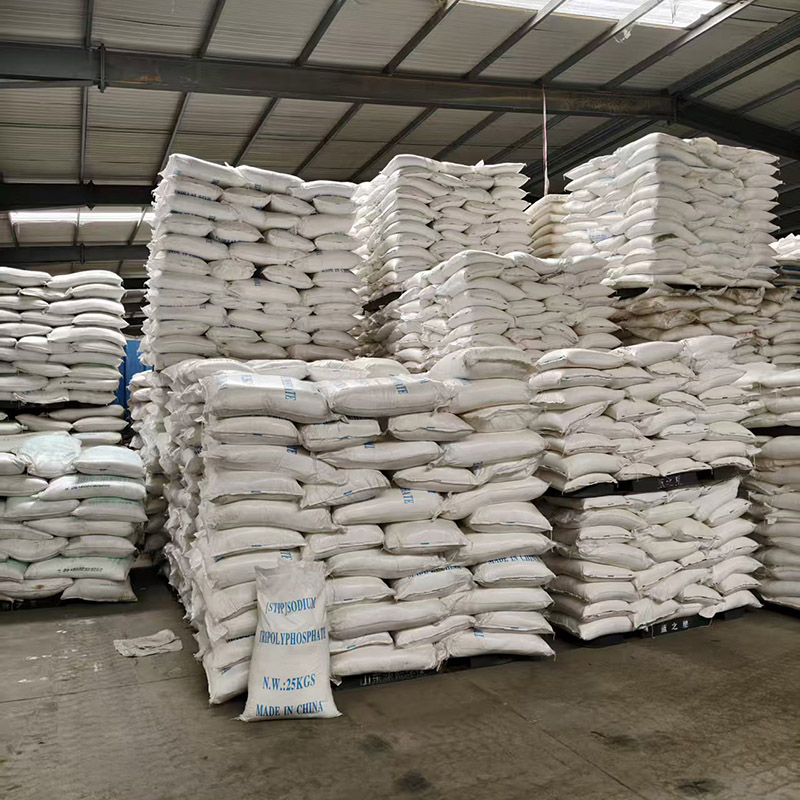
Products Description of K-CATALYST CAS#1318-93-0
Montmorillonite, also known as microcrystalline kaolinite or collinite, is an aluminosilicate mineral primarily composed of octahedral montmorillonite particles. It was named after Montmorillon, France, where it was first discovered. As a soft phyllosilicate mineral, montmorillonite forms microscopic clay crystals through precipitation from aqueous solutions.
Montmorillonite belongs to the montmorillonite mineral group and is classified as a 2:1 layered clay, featuring two tetrahedral silica sheets surrounding a central octahedral alumina sheet. Its particles exhibit a plate-like morphology, with an average diameter of approximately 1 μm and a thickness of about 0.96 nm. Due to their extremely small size, individual clay particles can only be observed under an electron microscope at magnifications of around 25,000 times. Other minerals in this group include soapstone.
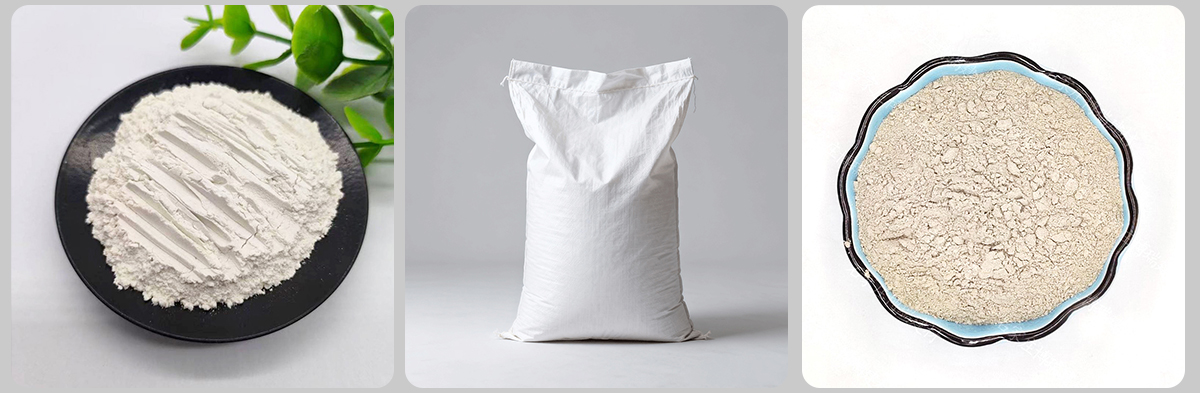
K-CATALYST Chemical Properties
| Melting point | >300°C |
| density | 2-3 |
| storage temp. | Sealed in dry,Room Temperature |
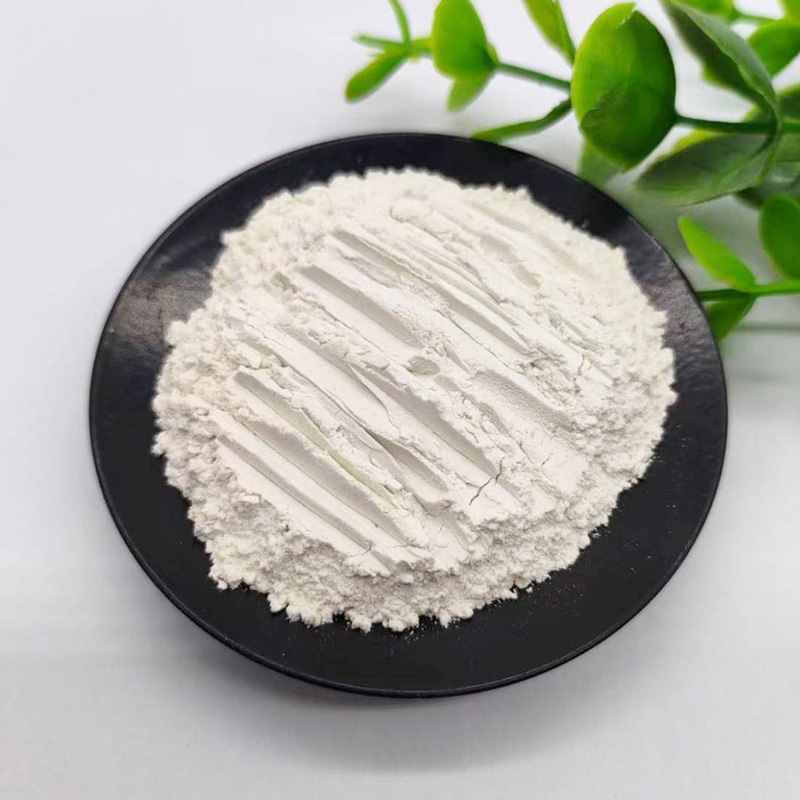
| form | powder |
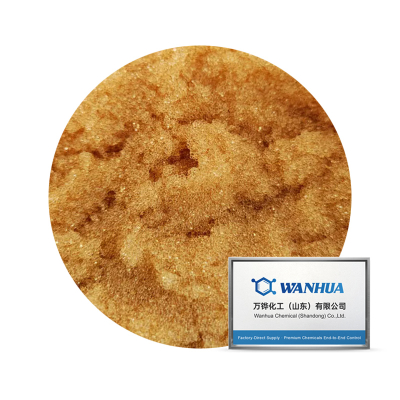
| color | Beige to gray |
| PH | 2.8-3.8 |
| Water Solubility | Insoluble in water. |
| Merck | 146260 |
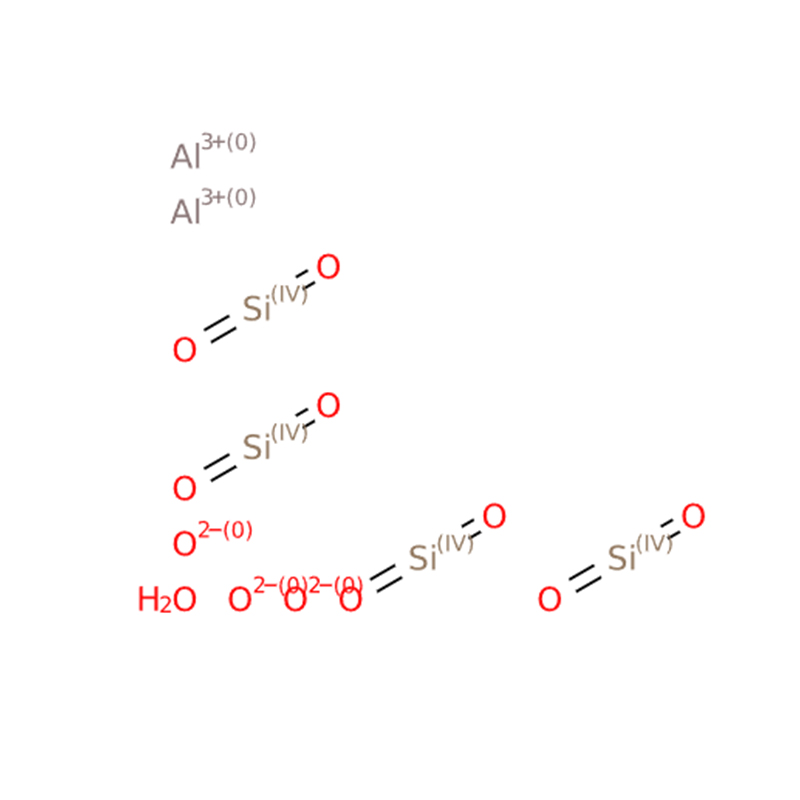
| EPA Substance Registry System | Montmorillonite ((Al1.33-1.67Mg0.33-0.67)(Ca0-1Na0-1)0.33Si4(OH)2O10.xH2O) (1318-93-0) |
| Hazard Codes | |
| Risk Statements | |
| Safety Statements | |
| WGK Germany | 3 |
| RTECS | CT9450000 |
| TSCA | Yes |
| HS Code | 25084000 |
| Hazardous Substances Data | 1318-93-0(Hazardous Substances Data) |

Product Application of K-CATALYST CAS#1318-93-0
Montmorillonite has been extensively applied in medicine, animal feed, veterinary products, and aquaculture. In animal husbandry, it is particularly valued for its multiple functions, including diarrhea control, mold and bacteria removal, water purification, hemostatic and anti-inflammatory effects, as well as stress resistance enhancement. As a natural, green, and environmentally friendly material, montmorillonite offers excellent safety with no toxic side effects.