
Products Description of Acetylacetone CAS#123-54-6
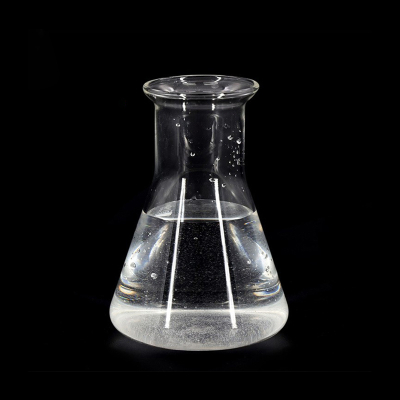
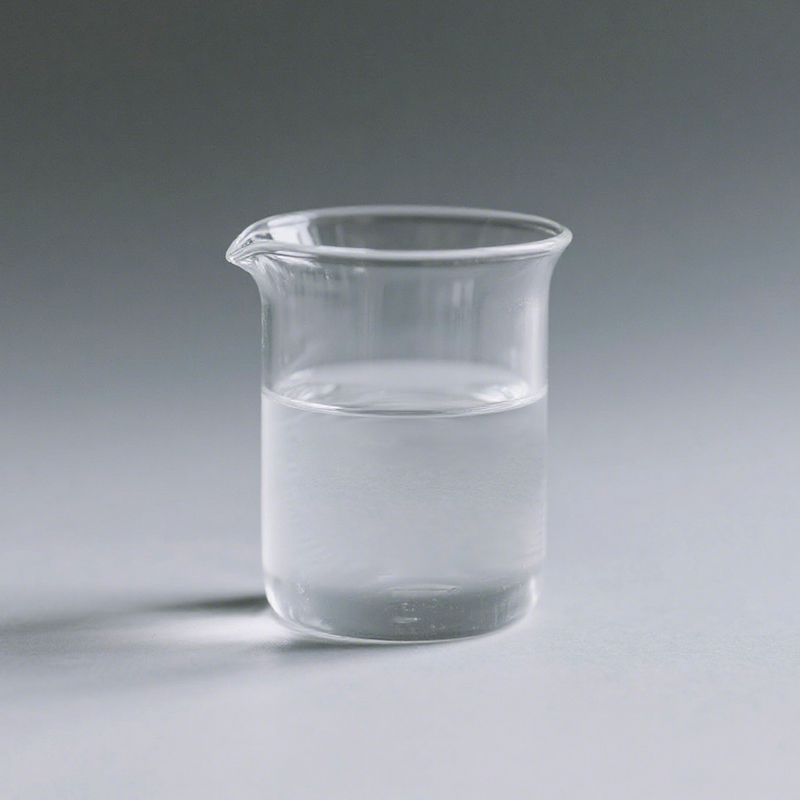
Acetylacetone is a colorless to slightly yellow transparent liquid with a distinctive unpleasant odor. It has a melting point of -23℃, a boiling point of 140.4℃, a refractive index (n²⁰D) of 1.4520, and a relative density of 0.975.
It is readily miscible with organic solvents such as ethanol, ether, chloroform, acetone, and glacial acetic acid, and is also soluble in water. This product is flammable and corrosive.

Acetylacetone Chemical Properties
| Melting point | -23 °C (lit.) |
| Boiling point | 140.4 °C (lit.) |
| density | 0.975 g/mL at 25 °C (lit.) |
| vapor density | 3.5 (vs air) |
| vapor pressure | 6 mm Hg ( 20 °C) |
| refractive index | n20/D 1.452(lit.) |
| Fp | 66 °F |
| storage temp. | Store below +30°C. |
| solubility | H2O: soluble1 in 8 parts |
| pka | 8.9(at 25℃) |
| form | Liquid |
| color | very deep green-yellow |
| Relative polarity | 0.571 |
| PH | 6 (200g/l, H2O, 20℃) |
| Odor | pleasant odor |
| explosive limit | 2.4-11.4%(V) |
| Water Solubility | 16 g/100 mL (20 ºC) |
| Merck | 14,81 |
| BRN | 741937 |
| Exposure limits | No exposure limit has been set. |
| Dielectric constant | 23.1(20℃) |
| InChIKey | YRKCREAYFQTBPV-UHFFFAOYSA-N |
| LogP | 0.68 at 20℃ |
| CAS DataBase Reference | 123-54-6(CAS DataBase Reference) |
| NIST Chemistry Reference | Acetylacetone(123-54-6) |
| EPA Substance Registry System | Acetylacetone (123-54-6) |
| Hazard Codes | Xn,Xi |
| Risk Statements | 11-36/37/38-22-10-R22-R10-20/21/22-2017/10/22 |
| Safety Statements | 21-23-24/25-36-26-S24/25-S23-S21 |
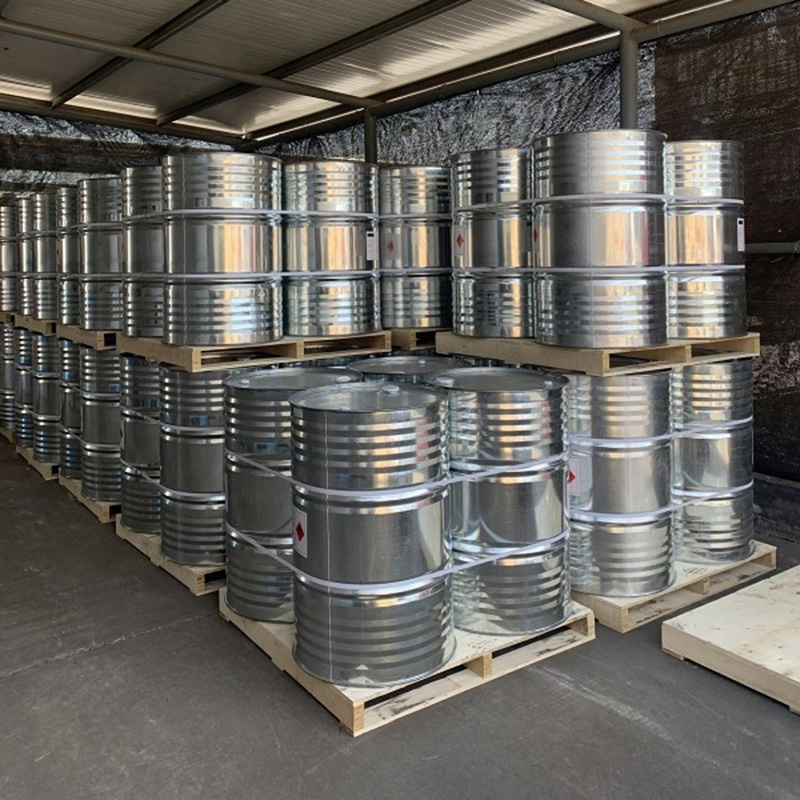
| RIDADR | UN 2310 3/PG 3 |
| WGK Germany | 1 |
| RTECS | SA1925000 |
| F | 46288 |
| Autoignition Temperature | 662 °F |
| TSCA | Yes |
| HS Code | 2914 19 90 |
| HazardClass | 3 |
| PackingGroup | III |
| Hazardous Substances Data | 123-54-6(Hazardous Substances Data) |
| Toxicity | LC50 (4 hrs) in rats: 1000 ppm (Carpenter) |
Product Application of Acetylacetone CAS#123-54-6
Acetylacetone is an important intermediate in organic synthesis. It can react with guanidine to produce amino-4,6-dimethylpyrimidine and serves as a valuable raw material in pharmaceutical production.
It is also used as a solvent for cellulose acetate, an additive for gasoline and lubricants, a drying agent for paints and varnishes, as well as a fungicide and insecticide. In addition, acetylacetone can function as a catalyst in petroleum cracking, hydrogenation, and carbonylation reactions, and as an oxidation promoter.
Furthermore, it can be applied for the removal of metal oxides from porous solids and in the treatment of polypropylene catalysts. In Europe and the United States, over 50% of acetylacetone consumption is used in applications such as antidiarrheal medicines and livestock feed additives.