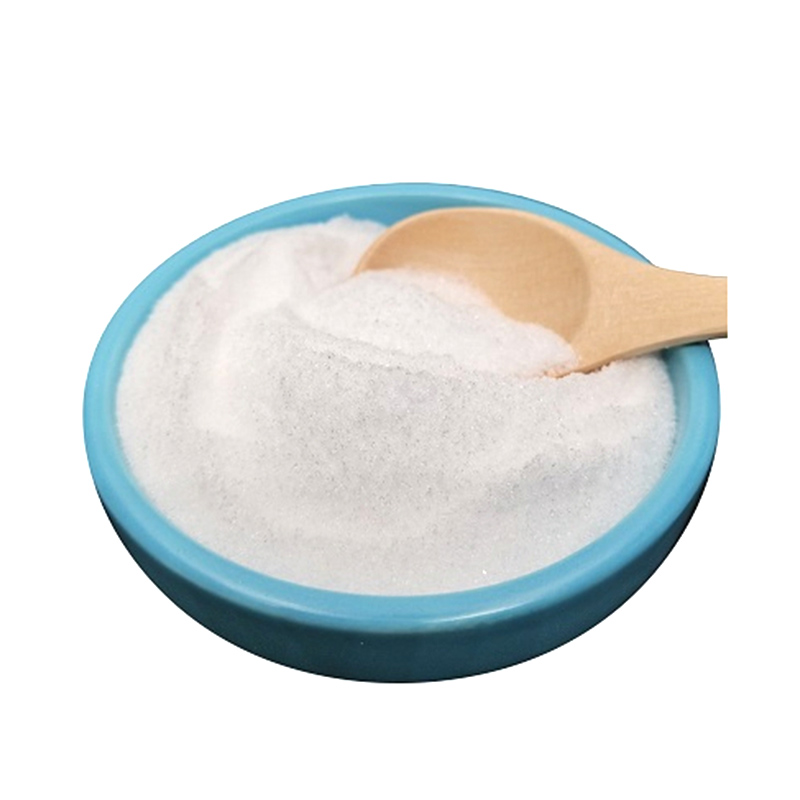
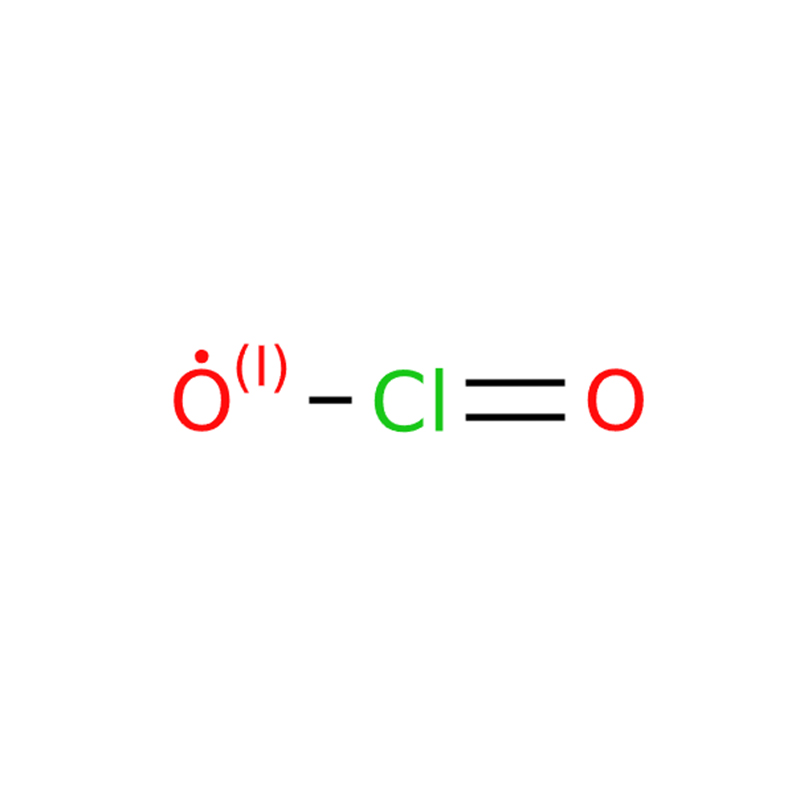
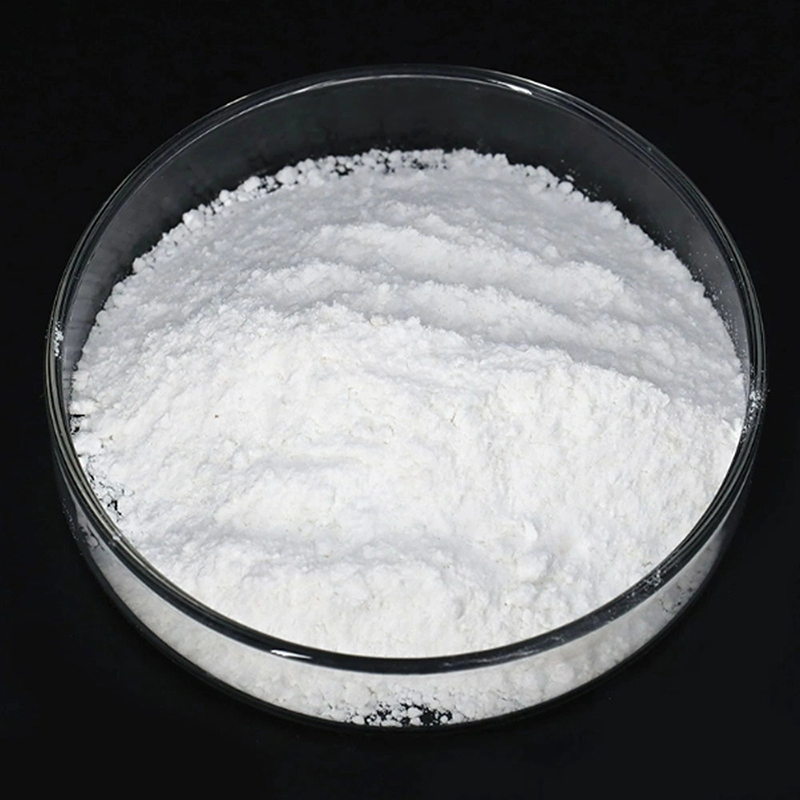
Chlorine Dioxide CAS#10049-04-4
Highly Effective Oxidizing Performance: Chlorine dioxide is a powerful oxidizing agent with excellent chemical activity, making it suitable for applications requiring strong oxidation capabilities.
Versatile Physical Forms: It can exist as a yellowish-green to orange-yellow gas, reddish-brown liquid, or orange-red solid crystal, offering flexibility for different application methods.
Wide Application Flexibility: Due to its high activity and oxidation efficiency, chlorine dioxide is commonly used in the form of stable chlorine dioxide solutions or generated on-site to meet various industrial requirements.
Controlled Application and Safety Advantages: Compared with pure chlorine dioxide gas, stable solutions and on-site preparation methods provide safer handling and more practical application options by avoiding high-concentration gas conditions.
Chlorine Dioxide CAS#10049-04-4
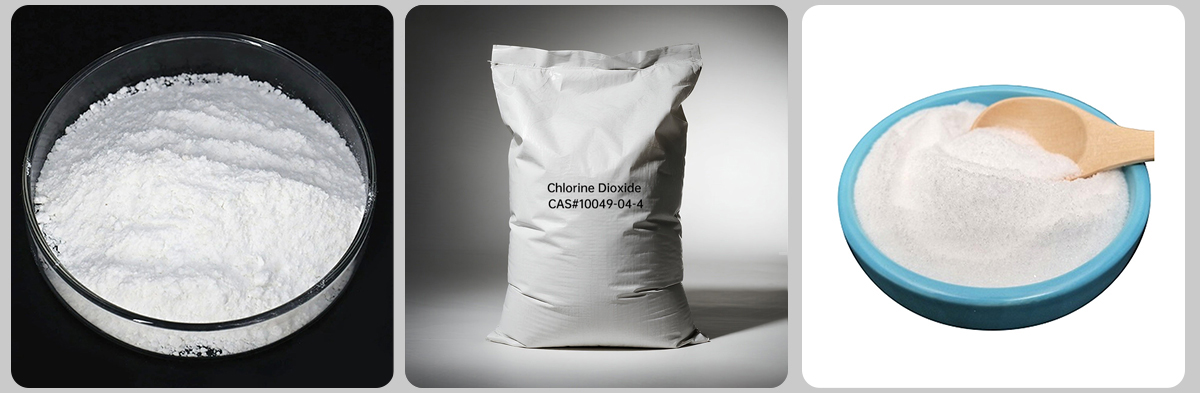
Chlorine dioxide (CAS#10049-04-4), with the chemical formula ClO₂ and a molecular weight of 67.45, is an inorganic compound with strong oxidizing properties. Under standard temperature and pressure conditions, it appears as a yellowish-green to orange-yellow gas with a sharp, pungent odor. In its liquid state, it presents as a reddish-brown solution, while the solid form appears as orange-red crystals.
Due to the risk of explosion when the concentration of pure chlorine dioxide gas exceeds 10%, it is generally used in the form of stabilized chlorine dioxide solutions or generated directly on-site for safer and more practical applications.
Chlorine dioxide Chemical Properties
| Melting point | -59°C |
| Boiling point | 11°C |
| density | 3.09g/L |
| vapor pressure | 0-22900Pa at 20-25℃ |
| solubility | slightly soluble in H2O |
| form | orange-green gas |
| color | orange-green |
| Water Solubility | Soluble ºC |
| Exposure limits | TLV-TWA 0.1 ppm (0.3 mg/m3); (ACGIH, MSHA, OSHA, and NIOSH); TLV-STEL 0.3 ppm (ACGIH); IDLH 10 ppm (NIOSH). |
| Dielectric constant | 1.7(77.0℃) |
| Stability: | May decompose explosively on shock, friction or concussion, or on heating rapidly. Strong oxidant - reacts violently with combustible and reducing materials, and with mercury, ammonia, sulphur and many organic compounds. |
| LogP | -3.22--2.9 at 20℃ |
| CAS DataBase Reference | 10049-04-4(CAS DataBase Reference) |
| NIST Chemistry Reference | Chlorine dioxide(10049-04-4) |
| EPA Substance Registry System | Chlorine dioxide (10049-04-4) |
| Hazard Codes | O,T+,N |
| Risk Statements | 6-8-26-34-50 |
| Safety Statements | 23-26-28-36/37/39-38-45-61 |
| OEB | C |
| OEL | TWA: 0.1 ppm (0.3 mg/m3), STEL: 0.3 ppm (0.9 mg/m3) |
| RIDADR | UN 9191 |
| Hazardous Substances Data | 10049-04-4(Hazardous Substances Data) |
| IDLA | 5 ppm |
Product Usage
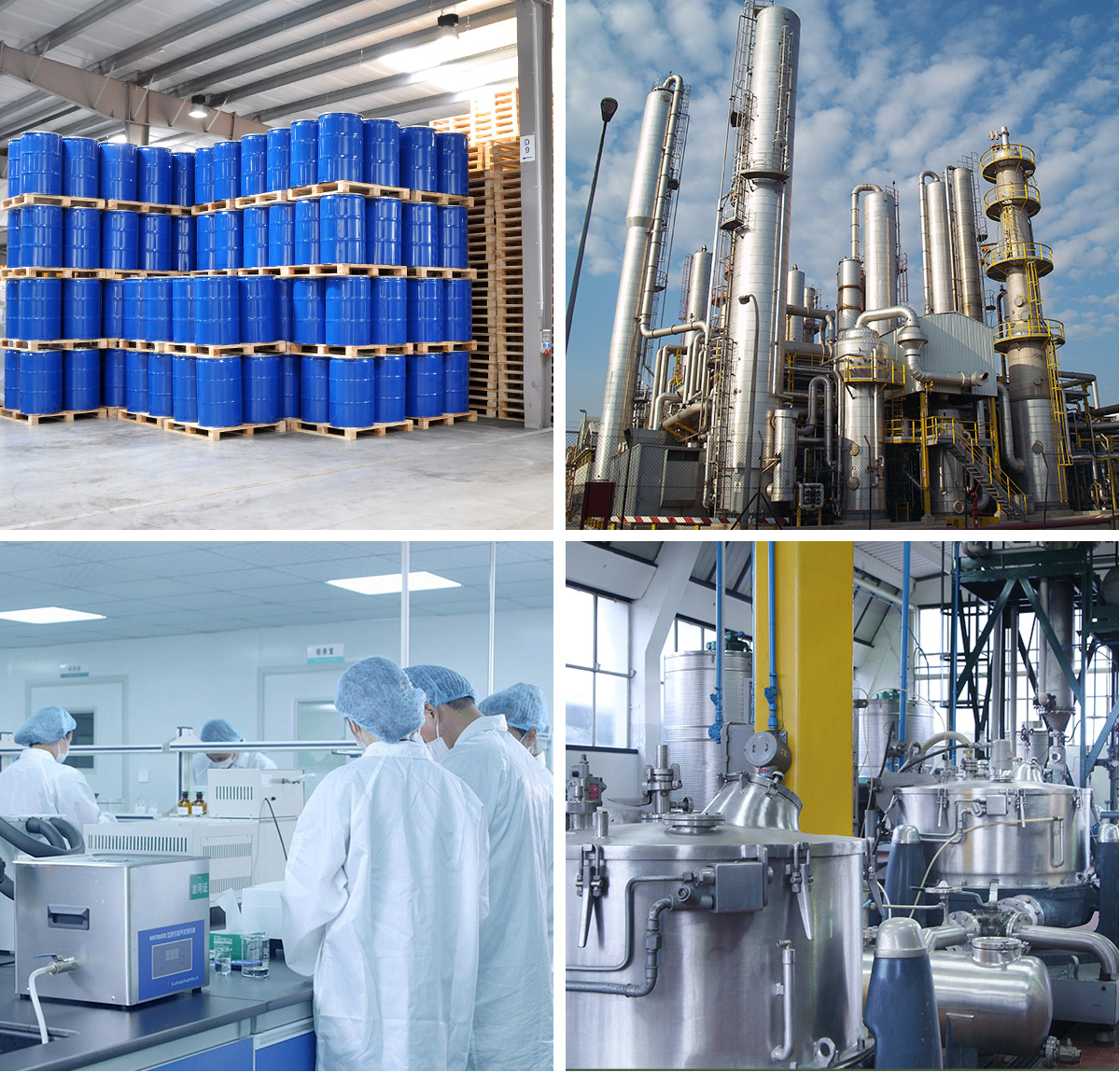
The largest application of chlorine dioxide is in wood pulp bleaching, where it acts as a highly selective oxidizing agent for lignin removal. In the pulp and paper industry, there has been a growing trend toward replacing traditional bleaching agents such as chlorine and hypochlorite with chlorine dioxide due to its superior selectivity and effectiveness.