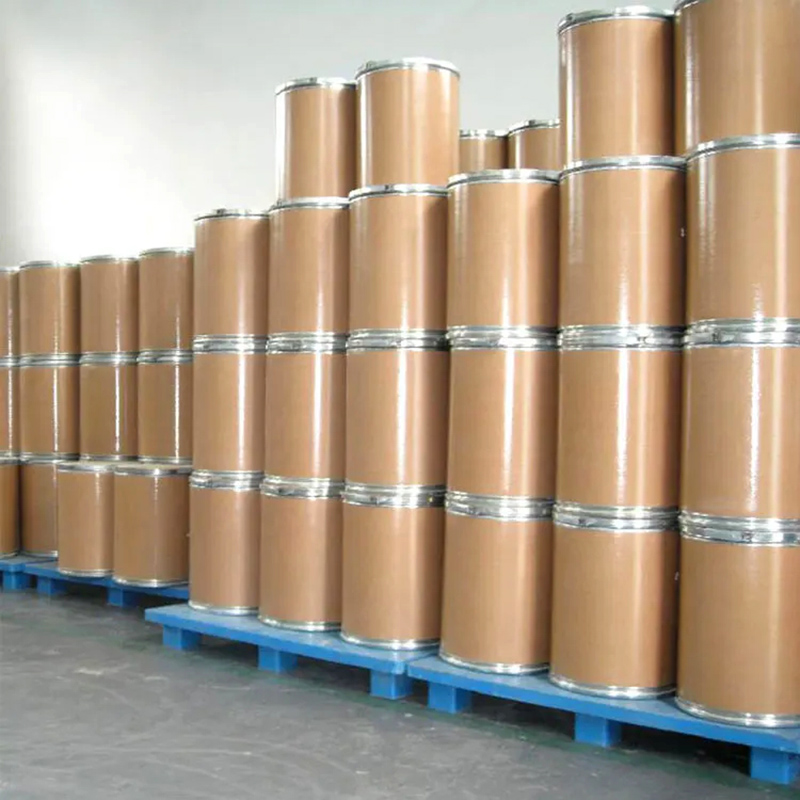
Chee Nicotinic Acid CAS#59-67-6
Essential Vitamin for Human Metabolism: Nicotinic Acid (Vitamin B₃) is one of the essential vitamins required by the human body and plays a vital role in maintaining normal metabolic functions.
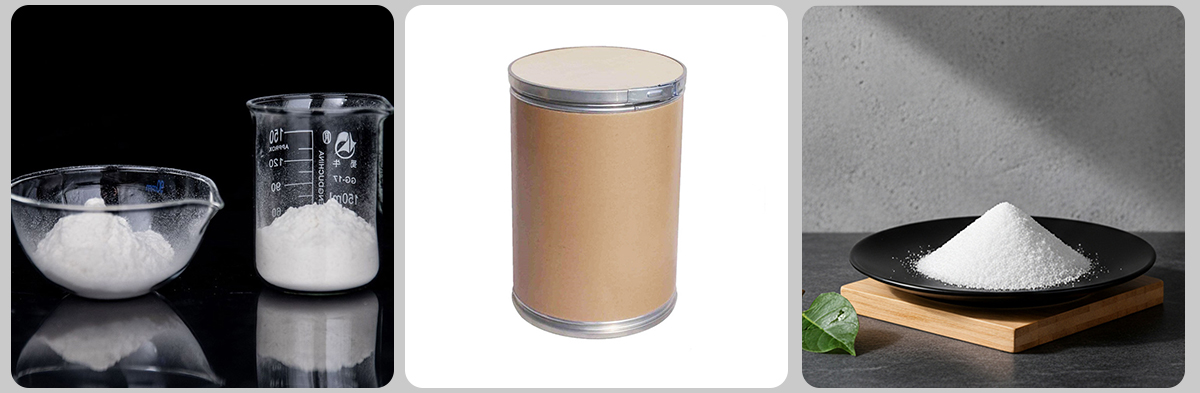
Nicotinic acid Chemical Properties
| Product Name: | Nicotinic acid |
| Synonyms: | BETA-PICOLINIC ACID;AKOS BBS-00003719;ACIDUM-NICOTINICUM;3-PICOLINIC ACID;3-CARBOXYPYRIDINE;RARECHEM AL BO 0217;TIMTEC-BB SBB004279;NICOTINIC ACID |
| CAS: | 59-67-6 |
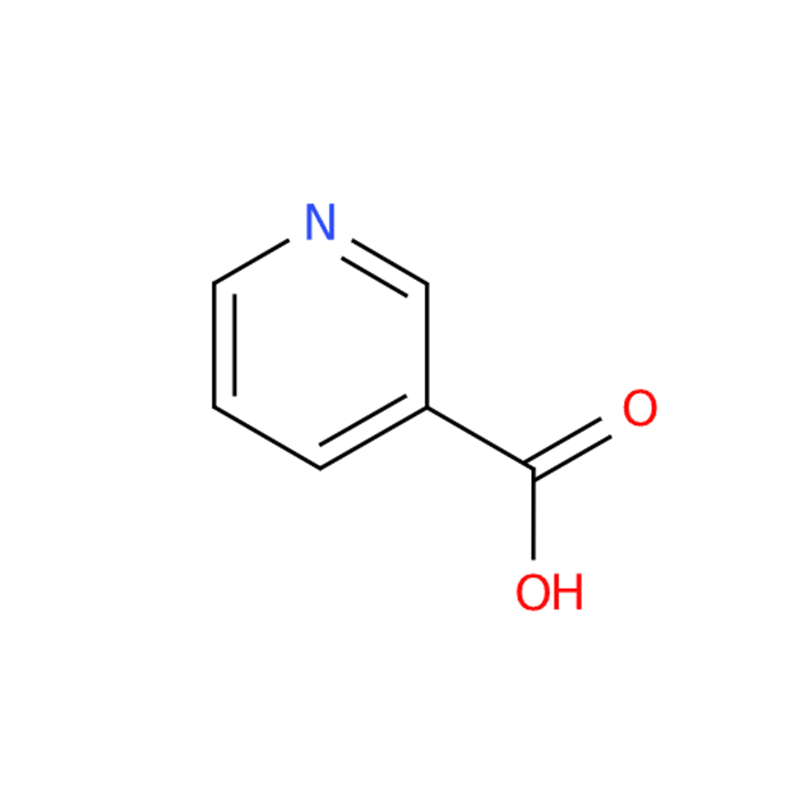
| MF: | C6H5NO2 |
| MW: | 123.11 |
| EINECS: | 200-441-0 |
| Product Categories: | carboxylic acid;NIASPAN;Vitamin B3;Building Blocks;Chemical Synthesis;Heterocyclic Building Blocks;Analytical Chemistry;Biochemistry;Nutrition Research;Pyridines;Vitamin B;Vitamin series;vitamin;Other APIs;Pyridine;Mass Spectrometry;Matrix Materials (MALDI-TOF-MS);Vitamins;Vitamins and derivatives;Vitamin Ingredients;Miscellaneous Compounds;Signalling;Aromatics;Intermediates & Fine Chemicals;Isotope Labelled Compounds;Pharmaceuticals;C6;Inhibitors;59-67-6;OLED |
| Mol File: | 59-67-6.mol |
| Melting point | 236-239 °C(lit.) |
| Boiling point | 260C |
| density | 1.473 |
| bulk density | 330kg/m3 |
| refractive index | 1.5423 (estimate) |
| Fp | 193°C |
| storage temp. | 2-8°C |
| solubility | 18g/l |
| pka | 4.85(at 25℃) |
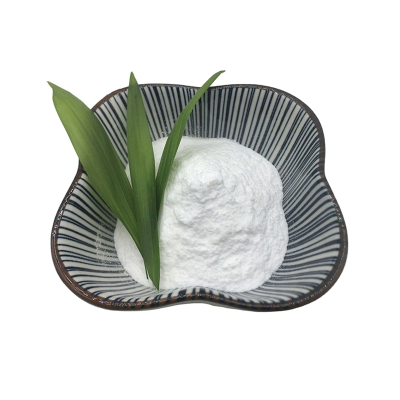
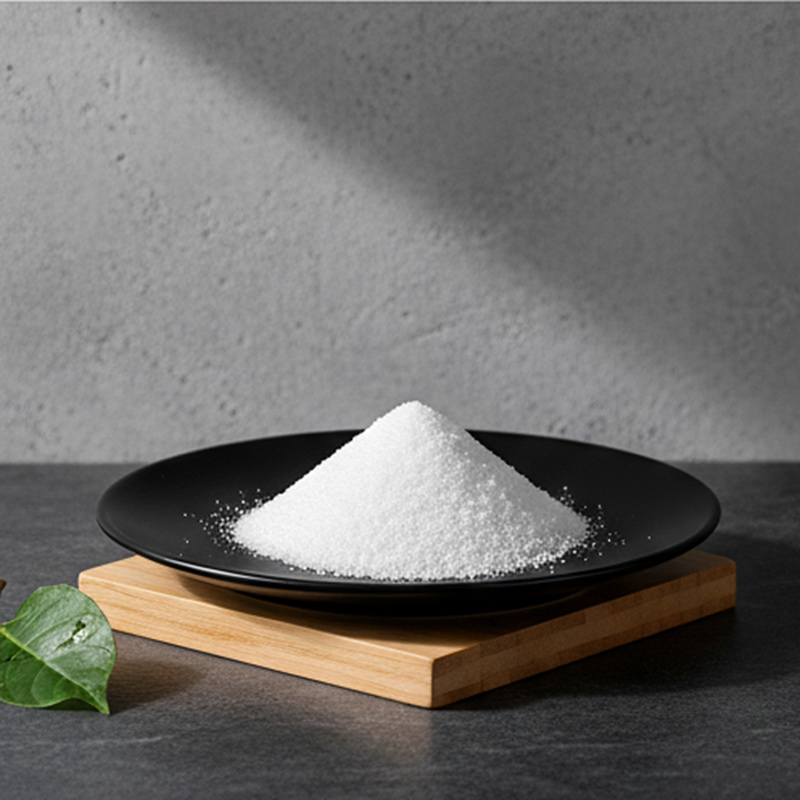
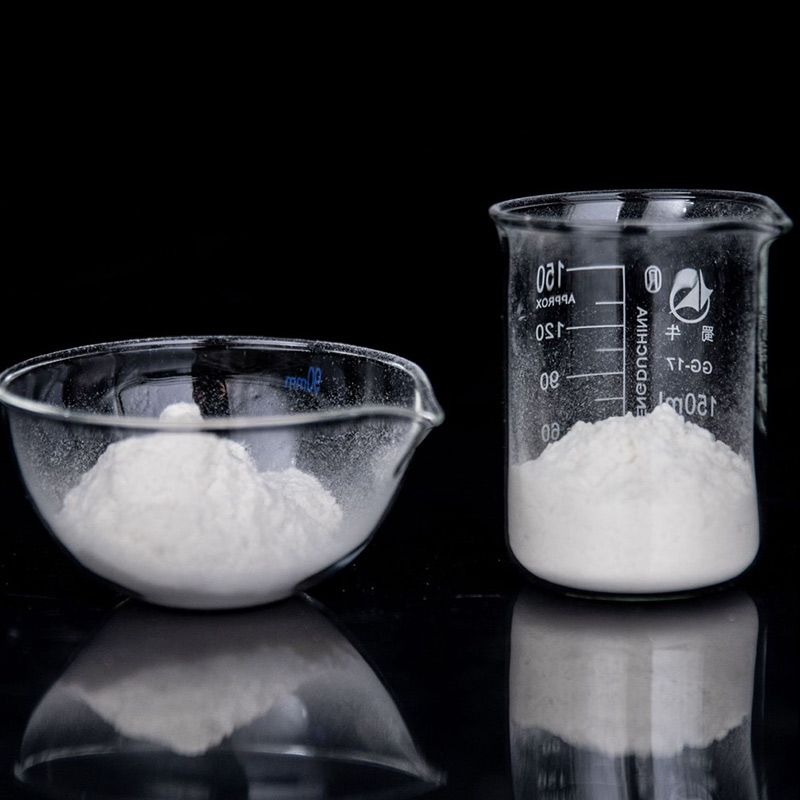
| form | Powder |
| color | White to off-white |
| PH | 2.7 (18g/l, H2O, 20℃) |
| Odor | odorless to sl. odor, sour taste |
| biological source | synthetic (organic) |
| Water Solubility | 1-5 g/100 mL at 17 ºC |
| Merck | 146525 |
| BRN | 109591 |
| BCS Class | 3 |
| Stability: | Stable. Incompatible with strong oxidizing agents. May be light sensitive. |
| InChIKey | PVNIIMVLHYAWGP-UHFFFAOYSA-N |
| LogP | 0.36 |
| CAS DataBase Reference | 59-67-6(CAS DataBase Reference) |
| NIST Chemistry Reference | Niacin(59-67-6) |
| EPA Substance Registry System | Nicotinic acid (59-67-6) |

Product Usage
Nicotinic acid plays an important role in hydrogen transfer processes within the body and helps prevent pellagra. It contributes to maintaining healthy skin and nervous system functions while also supporting normal digestive activity. Nicotinic acid and niacinamide are widely used for the prevention and treatment of pellagra, a condition caused by niacin deficiency.
Niacin is also applied in the management of high cholesterol levels. In certain cases, the combination of niacin and colestipol may provide cholesterol-lowering effects comparable to colestipol combined with statin therapy.
Niacin USP grade granules are commonly used for food fortification, dietary supplements, and as pharmaceutical intermediates. Feed-grade niacin is widely utilized as a vitamin supplement for poultry, swine, ruminants, fish, dogs, cats, and other animals. In addition, it serves as an intermediate for the synthesis of nicotinic acid derivatives and various technical applications.