Propylene Glycol Applications: A Comprehensive Overview of Industrial, Commercial, and Consumer Uses
Propylene glycol is a colorless, odorless, hygroscopic organic compound that plays an essential role in numerous industries due to its distinctive combination of solvent properties, low toxicity, and thermal stability. Its multifunctional nature allows it to serve as a solvent, humectant, antifreeze agent, and emulsifier, making it widely used in fields ranging from food processing and pharmaceuticals to personal care and industrial manufacturing. This article examines the major application areas of propylene glycol, focusing on its functional properties, industry-specific requirements, and important factors to consider during use. Understanding these applications enables manufacturers, formulators, and industry professionals to make better use of this versatile compound while maintaining applicable safety and quality standards.
1. Propylene Glycol in the Food and Beverage Industry: Humectant and Stabilizing Applications
The food and beverage industry is one of the major application sectors for propylene glycol. In the United States, it is recognized by the Food and Drug Administration (FDA) as a generally recognized as safe (GRAS) ingredient. Its primary function in food formulations is to act as a humectant, helping preserve moisture in processed foods and reducing the risk of drying and staling. Typical applications include baked products, confectionery, and dairy foods, where it helps maintain product texture and prolong shelf life.
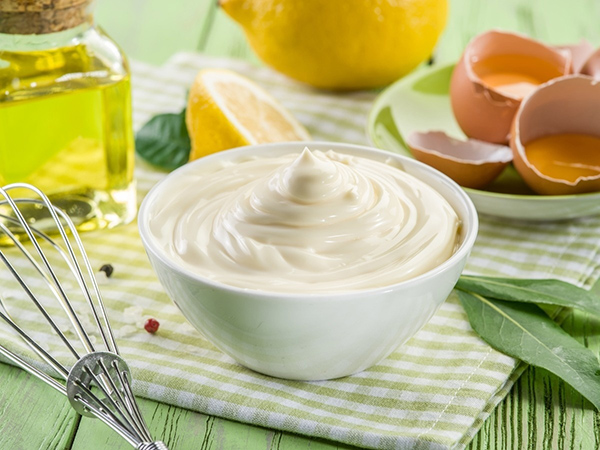
Propylene glycol also functions as a solvent for food colors, flavorings, and preservatives, facilitating their even distribution in liquid and semi-solid formulations such as soft drinks, salad dressings, and frozen desserts. Its relatively low volatility is another important advantage, as it helps prevent unwanted changes to the taste and aroma of finished products. When selecting food-grade propylene glycol, manufacturers should pay close attention to purity requirements, typically a minimum concentration of 99.5%, as well as compliance with applicable regional regulations, including European Food Safety Authority (EFSA) guidelines.
2. Propylene Glycol in Pharmaceuticals and Healthcare: Solvent and Excipient Applications
Propylene glycol is widely used in pharmaceutical and healthcare formulations because of its excellent solvent capacity and compatibility with various formulation systems. It serves as an important pharmaceutical excipient, particularly in products containing active pharmaceutical ingredients (APIs) that are poorly soluble in water. Its applications include oral liquid medicines, injectable formulations, and topical preparations such as creams and ointments.
In addition, propylene glycol can function as a stabilizing agent in vaccines and other temperature-sensitive pharmaceutical products, helping protect them against degradation during storage and transportation. It is also used in certain medical delivery systems, including nebulizers and inhalers, where its relatively low viscosity supports the uniform dispersion of medication into a fine mist.
Pharmaceutical-grade propylene glycol requires rigorous quality control to ensure product purity and safety. Particular attention must be given to limiting impurities, including ethylene glycol and heavy metals. Although propylene glycol is generally considered safe for its intended uses, mild skin irritation may occur in some individuals following topical application, making appropriate formulation adjustments necessary when required.
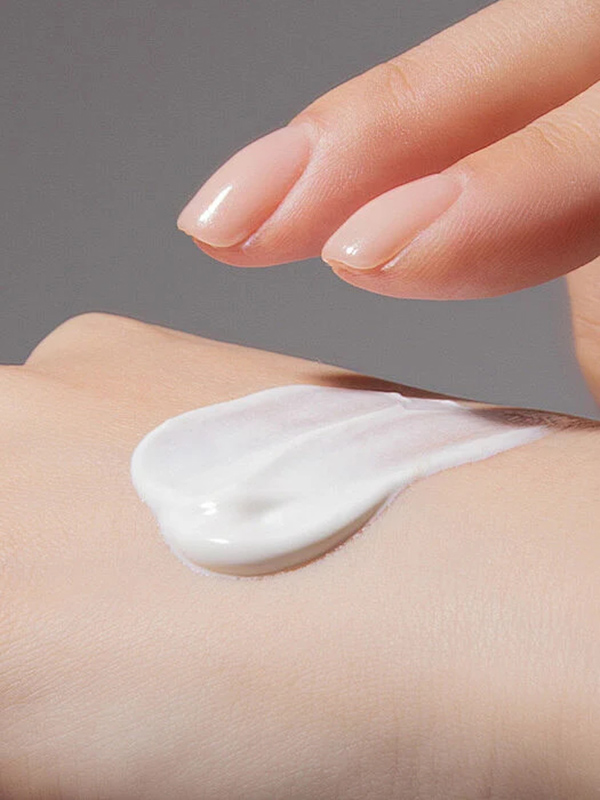
3. Propylene Glycol in Personal Care and Cosmetics: Moisturizing and Emulsifying Functions
The personal care and cosmetics industry is another important market for propylene glycol. It is commonly incorporated into a wide variety of products, including lotions, shampoos, makeup, and deodorants. Its principal functions in these formulations are as a humectant and emulsifier.
As a humectant, propylene glycol helps attract and retain moisture, supporting hydration in both skin and hair. As an emulsifier, it assists in combining oil-based and water-based ingredients, helping create smooth, consistent, and stable cosmetic formulations. It also serves as a solvent for fragrances and preservatives, supporting their effective incorporation and distribution throughout cosmetic products.
Another beneficial characteristic is its ability to be readily absorbed, allowing cosmetic formulations to spread and penetrate the skin without leaving an excessively greasy feeling. Cosmetic-grade propylene glycol should comply with relevant industry safety and quality requirements, including recommendations from organizations such as the Cosmetic Ingredient Review (CIR) Expert Panel, which has assessed its safety in personal care products at concentrations of up to 50% in most applications.