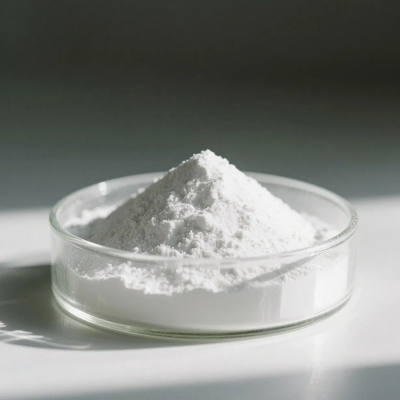
SLES (CAS 68585-34-2): The Invisible Force Driving Worldwide Industrial Growth
Sub-headline: From Personal Care Products to Industrial Applications, Exploring the Versatile Uses of Sodium Lauryl Ether Sulfate
Opening Paragraph
Sodium Lauryl Ether Sulfate (SLES), with CAS number 68585-34-2, is much more than a simple foaming ingredient. As a versatile anionic surfactant, it serves as a fundamental component across numerous industries, quietly contributing to the performance and quality of many products used in daily life. Although widely recognized as a key ingredient in shampoos and detergents, SLES stands out for its excellent foaming ability, powerful cleansing performance, effective emulsification, and improved mildness. These advantages have enabled its extensive applications in diverse fields, ranging from advanced agricultural formulations to large-scale construction materials. As global industries continue to pursue more efficient and multifunctional ingredients, SLES demonstrates strong adaptability and continued importance. This article explores the broad and diverse application areas of this essential chemical material.
1. Core Application Areas: Personal Care and Household Cleaning
SLES serves as a fundamental ingredient in modern cleansing formulations due to its reliable performance, excellent compatibility, and consumer-friendly characteristics.
Personal Care and Cosmetics
The personal care industry represents the largest global application market for SLES.
Hair Care and Skin Care:
SLES is widely used as a primary surfactant in shampoos, conditioners, body washes, facial cleansers, and hand soaps. Its ability to generate rich and stable foam while maintaining relatively mild effects on skin and eyes makes it a preferred ingredient in cleansing formulations. SLES products with higher ethylene oxide (EO) content, such as SLES-3, are commonly selected for baby care products and formulations designed for sensitive skin.

Oral Care:
SLES is an important component in toothpaste and mouthwash formulations, where it functions as a foaming agent to improve ingredient dispersion and assist in removing oral residues.
Household and Institutional Cleaning
SLES provides excellent detergency and degreasing performance, making it widely used in various cleaning products.
Laundry and Dishwashing Products:
It is an essential ingredient in liquid laundry detergents, manual and automatic dishwashing liquids, and fabric softeners.Surface Cleaning Products:
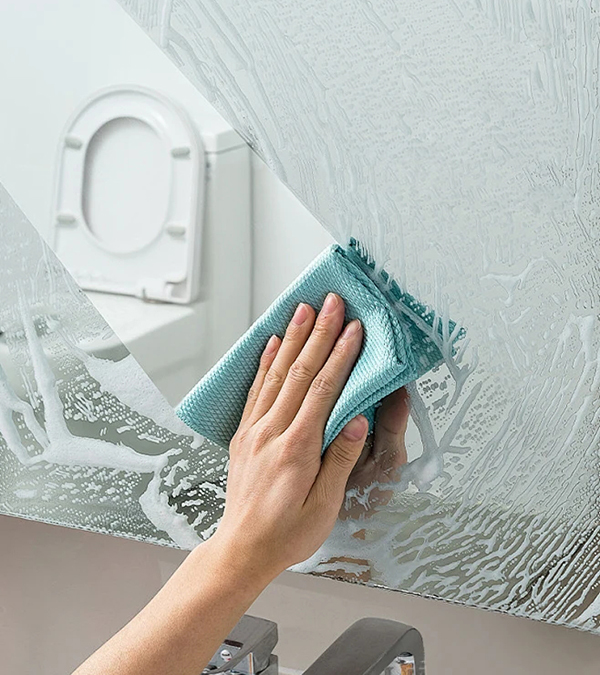
SLES can be found in all-purpose cleaners, floor cleaners, bathroom cleaning products, disinfectants, and kitchen degreasers. Its ability to remove both oily contaminants and particulate dirt makes it suitable for household and industrial cleaning applications.
2. Industrial and Specialized Applications
Beyond daily consumer products, SLES plays an important role in various industrial processes as a functional additive that improves product performance.
Agrochemicals and Agriculture
In herbicides, pesticides, and fungicides, SLES acts as a wetting agent, dispersant, and penetrant. It helps improve the spreading of spray solutions on plant surfaces, enhances the adhesion and absorption of active ingredients, increases application efficiency, and reduces chemical runoff.
Textile and Leather Processing
The textile and leather industries utilize SLES in multiple processing stages:
As a scouring and wetting agent, it helps remove natural oils, dirt, and impurities from fibers.
As an emulsifier in dyeing and finishing processes, it promotes uniform color distribution and improves the softness and handling properties of fabrics and leather materials.
Construction and Materials Industry
One of the important industrial applications of SLES is in the production of lightweight and aerated concrete. As a foaming agent, SLES generates stable and uniform air bubbles within concrete mixtures, resulting in materials with:
Improved thermal insulation performance;
Reduced structural weight;
Enhanced processing and construction efficiency.
These properties make SLES valuable in modern building material development.
Paints, Adhesives, and Coatings
In water-based coatings and adhesive formulations, SLES functions as an emulsifier and dispersion aid. It helps stabilize pigments and other components, ensuring better formulation consistency, application performance, and surface finish quality.
3. Specialized and Emerging Applications
The functional properties of SLES continue to create new opportunities in specialized industries, demonstrating its long-term application potential.
Enhanced Oil Recovery (EOR)
In petroleum engineering, specially designed SLES-based surfactant systems can be injected into oil reservoirs to reduce oil-water interfacial tension. This helps mobilize trapped crude oil and improves oil recovery beyond traditional extraction methods.
Firefighting Foams
Although fluorinated surfactants remain dominant in fuel-fire applications, SLES can be used as a component in Class A firefighting foams. Its foaming and wetting properties help create protective foam layers and improve penetration into combustible materials such as wood and paper.
Mechanized Tunneling
During tunnel construction using tunnel boring machines (TBMs), SLES-based foaming agents are introduced into soil near the cutting head. The generated foam helps condition the soil, improve stability, reduce cutterhead resistance, and facilitate the efficient removal of excavated materials.
4. Key Factors Driving SLES Adoption and Application Selection
The widespread use of SLES across different industries is supported by several important advantages:
Cost Efficiency:
SLES provides an excellent balance between performance and economic value.Established Safety Profile:
With decades of commercial use, SLES has a well-established safety record and broad regulatory acceptance worldwide.Good Biodegradability:
SLES is considered readily biodegradable and meets environmental requirements for most rinse-off applications.
Application-Specific Grade Selection
Different industries require different SLES grades depending on performance requirements:
Personal Care Applications:
Require high-purity grades with controlled 1,4-dioxane levels (typically below 30 ppm) and optimized EO chain structures to achieve better mildness.Household Cleaning Products:
Usually emphasize high active matter content (such as 70%) to achieve strong cleaning performance and cost efficiency.Industrial Applications (such as Concrete Production):
Technical-grade SLES may be selected where cost efficiency is prioritized and stricter impurity control is less critical.
Conclusion
Sodium Lauryl Ether Sulfate (SLES, CAS 68585-34-2) demonstrates how a well-developed chemical ingredient can extend beyond its traditional applications and become an essential material supporting multiple industries. From personal care products and household cleaners to oil recovery systems and modern construction materials, SLES highlights exceptional versatility and functional value. With continued advancements in formulation technology, SLES will remain a reliable and adaptable ingredient, playing an important role in both everyday products and industrial applications worldwide.