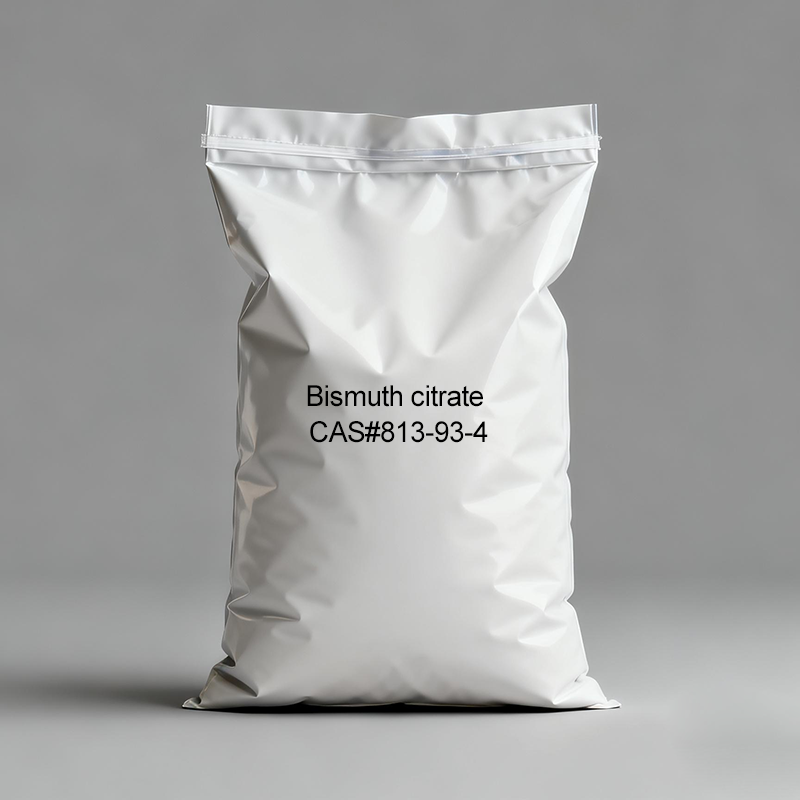

Bismuth citrate CAS#813-93-4
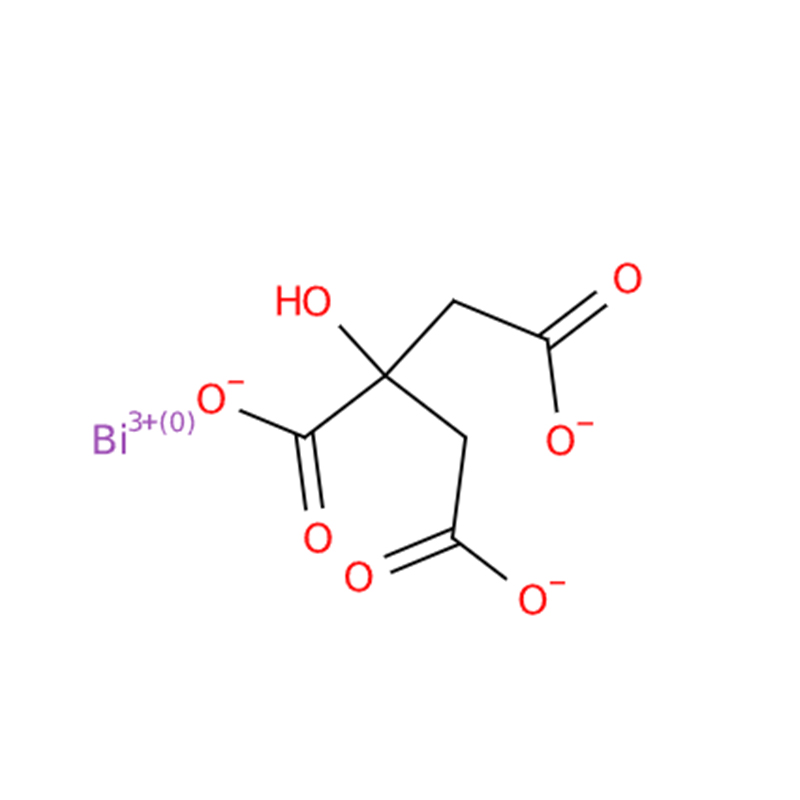
High Molecular Weight Composition – Bismuth citrate (CAS No. 813-93-4) has a defined molecular formula of C₆H₅BiO₇ and a molecular weight of 398.08 g/mol, supporting accurate material identification and characterization.
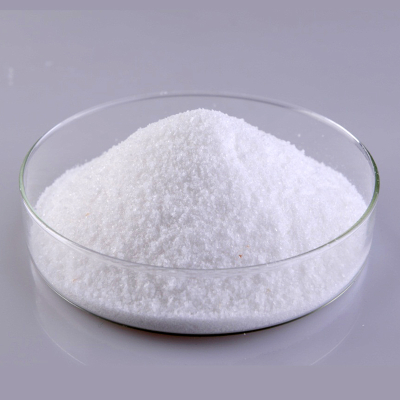
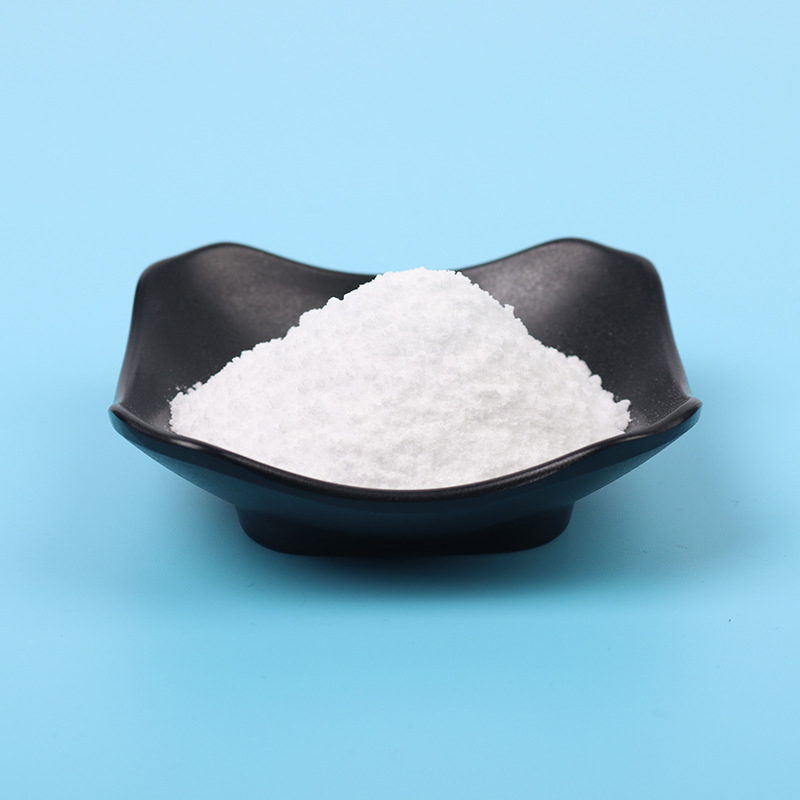
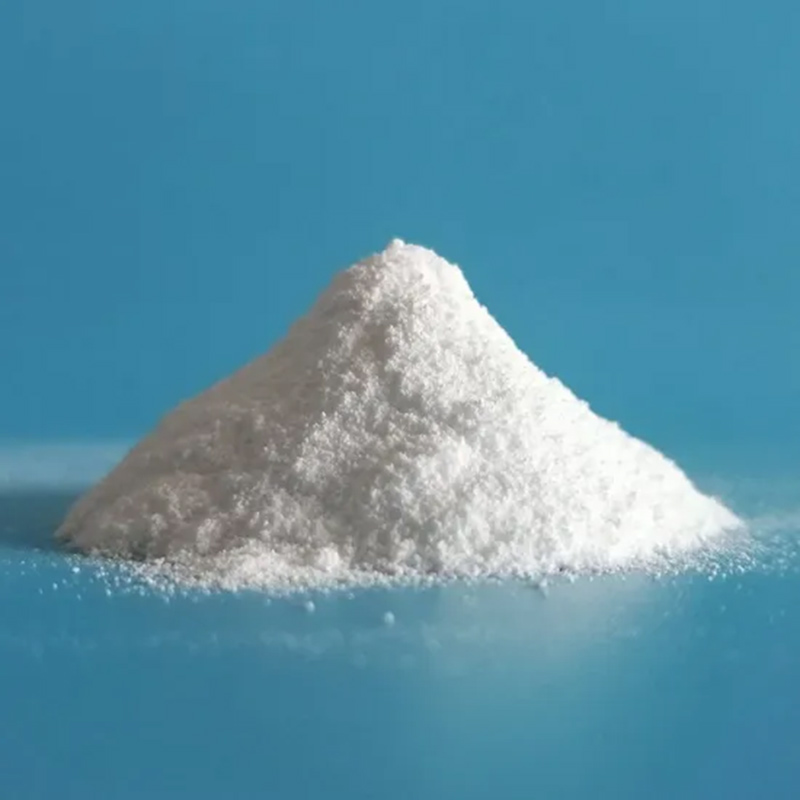
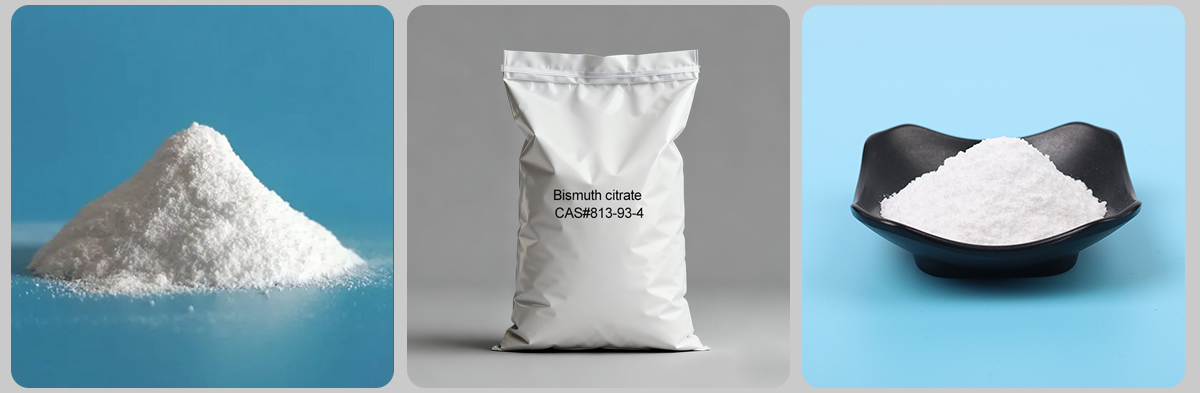
Consistent Physical Appearance – It typically appears as a white to off-white crystalline powder, making it suitable for applications requiring a clearly identifiable solid material.
High Thermal Decomposition Point – Bismuth citrate has a reported melting point of approximately 300°C, with decomposition, indicating its thermal behavior under elevated-temperature conditions.
Defined Density – With a reported density of 0.94 g/mL at 25°C, bismuth citrate offers a useful reference value for material characterization and handling.
Products Description of Bismuth Citrate CAS#813-93-4
Bismuth citrate (CAS No. 813-93-4) is an inorganic-organic bismuth salt with the molecular formula C₆H₅BiO₇ and a molecular weight of 398.08 g/mol. It typically appears as a white to off-white crystalline powder. According to literature data, it has a melting point of approximately 300°C, at which decomposition occurs, and a density of 0.94 g/mL at 25°C.
Bismuth citrate Chemical Properties
| Melting point | 300 °C (dec.) (lit.) |
| density | 0.94 g/mL at 25 °C (lit.) |
| vapor pressure | 0Pa at 20℃ |
| storage temp. | -20°C Freezer |
| solubility | Water (Very Slightly) |
| form | Crystalline Powder |
| color | White |
| Water Solubility | Insoluble in water, alcohol, ether. Soluble in ammonia solution and in solution of alkali citrates. Typical tap density 0.50g/cm^3.Soluble in ammonia, alkali citrates. Insoluble in water, alcohol and ether. |
| Sensitive | Light Sensitive |
| LogP | -0.37 at 25℃ |
| CAS DataBase Reference | 813-93-4(CAS DataBase Reference) |
| EPA Substance Registry System | 1,2,3-Propanetricarboxylic acid, 2-hydroxy-, bismuth(3+) salt (1:1) (813-93-4) |
| WGK Germany | 3 |
| TSCA | Yes |
| HS Code | 2918150000 |

Key Applications
Pharmaceuticals: Used as a gastric protectant and antidiarrheal agent to help manage gastrointestinal disorders. It can coat the stomach lining and is also used in applications targeting Helicobacter pylori.
Cosmetics: Applied as an ingredient in progressive hair dye formulations.
Research and Synthesis: Serves as a Bi(III) precursor for preparing radiolabeled compounds, sorbents for solid-phase extraction, and bismuth subcarbonate nanotubes.