Guaifenesin CAS#93-14-1
Effective Expectorant Action – Guaifenesin stimulates bronchial mucosal gland secretion, helps reduce sputum viscosity, and makes thick mucus easier to cough up, making it suitable for coughs accompanied by difficult-to-expel phlegm.
Broad Respiratory Applications – It is used in the management of productive cough and conditions associated with excessive sputum, including chronic bronchitis, bronchiectasis, and lung abscess, and may be combined with other antitussive and antiasthmatic medicines.
Additional Respiratory Benefits – Guaifenesin is reported to have antitussive, antispasmodic, and anticonvulsant effects, along with disinfecting and preservative properties that can help reduce unpleasant sputum odor.
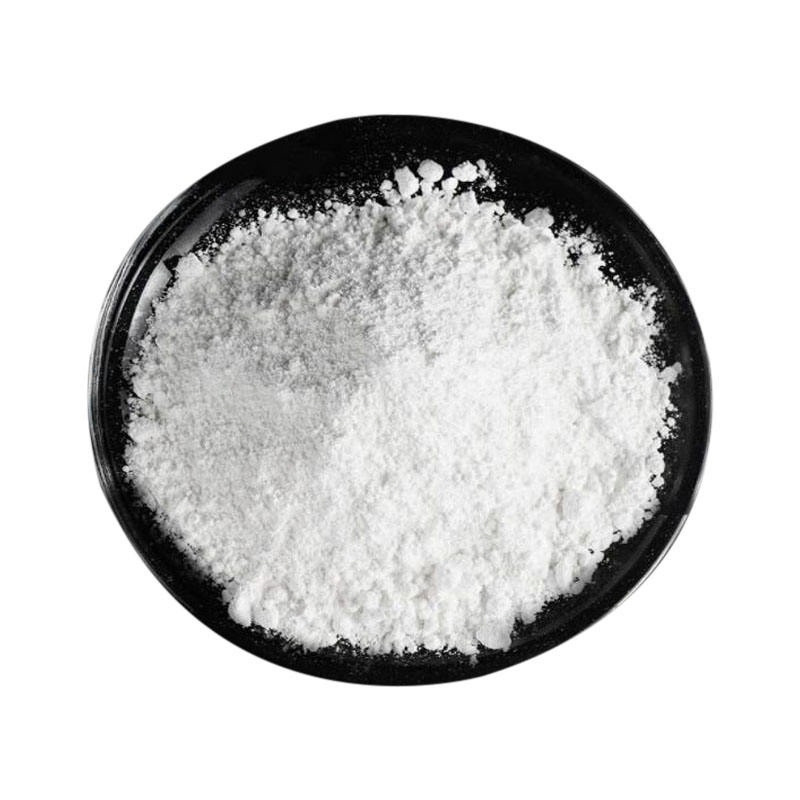
Defined Physical and Solubility Properties – Guaifenesin is a white crystalline powder with a melting point of 78.5–79°C and a boiling point of 215°C at 2.53 kPa. It dissolves in water and is soluble in several solvents, including ethanol, chloroform, glycerol, and dimethylformamide.
Products Description of Guaifenesin CAS#93-14-1
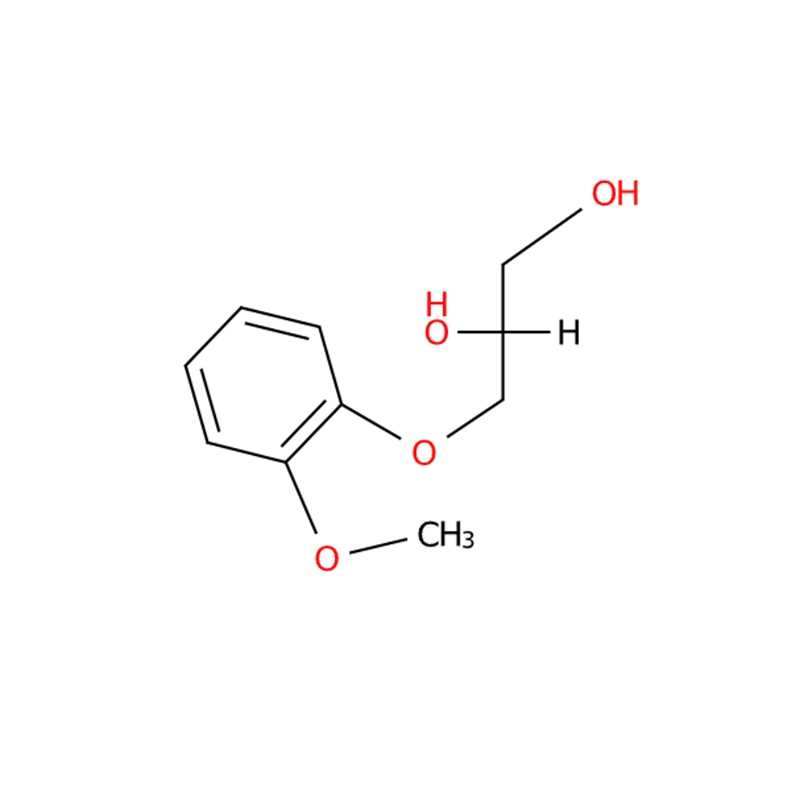
Guaifenesin, also known as methyl glyceryl phenyl ether, glycerol guaiacolate, or glyceryl guaifenesin, is an expectorant that helps promote the clearance of respiratory mucus. After oral administration, it stimulates the gastric mucosa, triggering a reflex increase in bronchial gland secretion. This process helps reduce sputum viscosity, making thick mucus easier to cough up, particularly in individuals with excessive sputum that is difficult to expel.
Guaifenesin is also reported to have disinfectant and preservative properties that may help reduce unpleasant sputum odor, as well as antitussive, antispasmodic, and anticonvulsant effects. It is used for productive coughs and conditions associated with excessive mucus, including lung abscess, bronchiectasis, and secondary asthma associated with chronic bronchitis. It is often administered in combination with other cough-suppressing and antiasthmatic medicines.
Guaifenesin is absorbed through the gastrointestinal tract, reaching peak blood concentrations within 1–3 hours after administration. Most of the compound is excreted through the intestines, while a smaller portion is metabolized into glucuronic acid conjugates and rapidly eliminated in the urine.
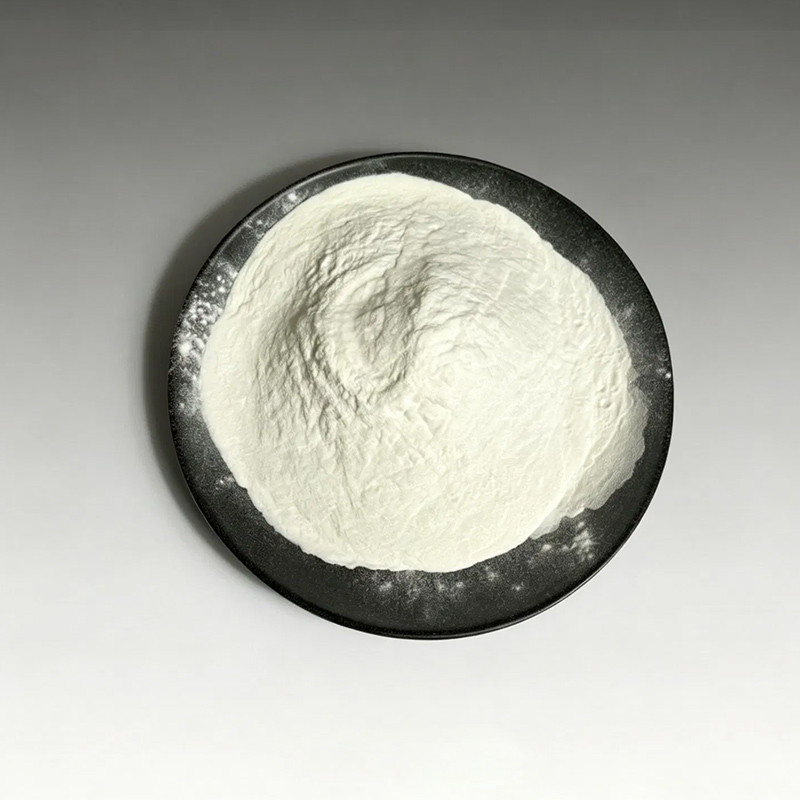
Guaifenesin appears as a white crystalline powder with a melting point of 78.5–79°C and a boiling point of 215°C at 2.53 kPa. At 25°C, 1 g dissolves in 20 mL of water. It is soluble in ethanol, chloroform, glycerol, and dimethylformamide, readily soluble in benzene, and insoluble in petroleum ether. The compound has a slightly bitter taste and a mild, characteristic odor.
Guaifenesin Chemical Properties
| Melting point | 77-81 °C |
| Boiling point | 215 °C (19 mmHg) |
| density | 1.1825 (rough estimate) |
| refractive index | 1.5550 (estimate) |
| Fp | 215°C/19mm |
| storage temp. | 2-8°C |
| solubility | 50g/l (experimental) |
| pka | 13.53±0.20(Predicted) |
| color | White to Off-White |
| Water Solubility | 5 g/100 mL (25 ºC) |
| Merck | 144555 |
| BRN | 2049375 |
| InChIKey | HSRJKNPTNIJEKV-UHFFFAOYSA-N |
| LogP | 1.39 |
| CAS DataBase Reference | 93-14-1(CAS DataBase Reference) |
| NIST Chemistry Reference | 3-(O-methoxyphenoxy)-1,2-propanediol(93-14-1) |
| EPA Substance Registry System | Guaifenesin (93-14-1) |
| Hazard Codes | Xn |
| Risk Statements | 22-36/37/38 |
| Safety Statements | 26-36 |
| WGK Germany | 1 |
| RTECS | TY8400000 |
| Hazard Note | Harmful |
| TSCA | Yes |
| HS Code | 29093090 |
| Hazardous Substances Data | 93-14-1(Hazardous Substances Data) |
| Toxicity | LD50 oral in rabbit: 2553mg/kg |

Product Application of Guaifenesin CAS#93-14-1
Guaifenesin is an expectorant and antitussive agent used to relieve coughs associated with excessive sputum. It is suitable for respiratory conditions such as chronic bronchitis and bronchiectasis.