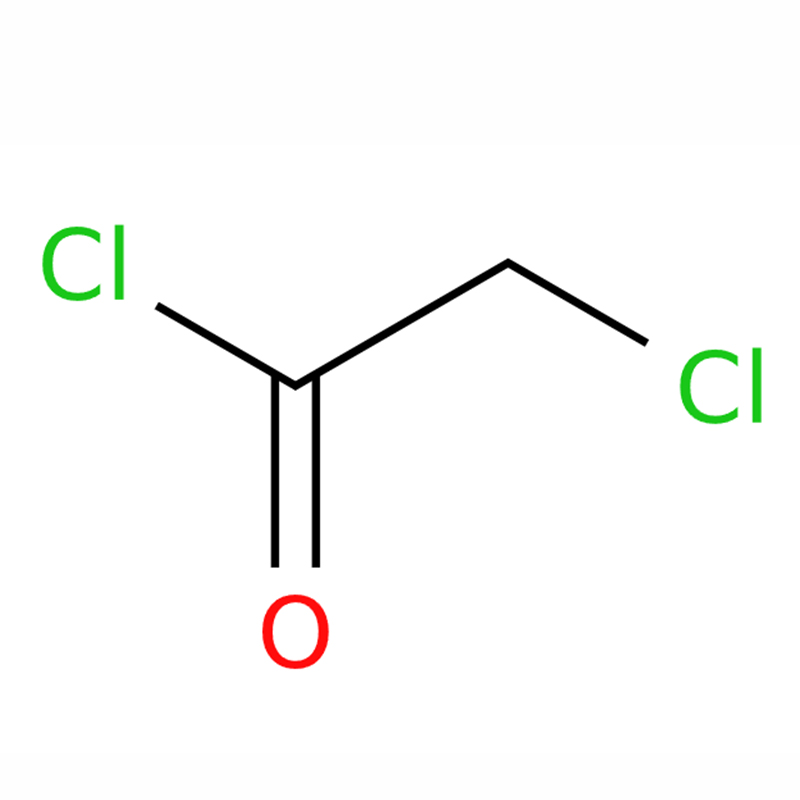
Chloroacetyl Chloride CAS#79-04-9
Highly Reactive Acylation Reagent: Exhibits strong chemical activity and serves as an efficient acylation reagent for various organic synthesis reactions.
Broad Application in Organic Synthesis: Can react with diverse compounds such as naphthalene, cyclopropane, and ethylene, offering versatility in chemical transformations.
Excellent Solubility in Organic Solvents: Shows good solubility in benzene, carbon tetrachloride, ether, and chloroform, facilitating its use in organic reaction systems.
Useful Intermediate for Chemical Production: Can be converted into valuable compounds such as 2-chloroethanol through reduction reactions, expanding its application potential in chemical synthesis.
Product Details
Chloroacetyl chloride Chemical Properties
| Melting point | −22 °C(lit.) |
| Boiling point | 105-106 °C(lit.) |
| density | 1.419 g/mL at 20 °C |
| vapor density | 3.9 (vs air) |
| vapor pressure | 60 mm Hg ( 41.5 °C) |
| refractive index | n20/D 1.453(lit.) |
| Fp | >100°C |
| storage temp. | Store at RT. |
| solubility | Miscible with ethyl ether, acetone, benzene and carbon tetrachloride. |
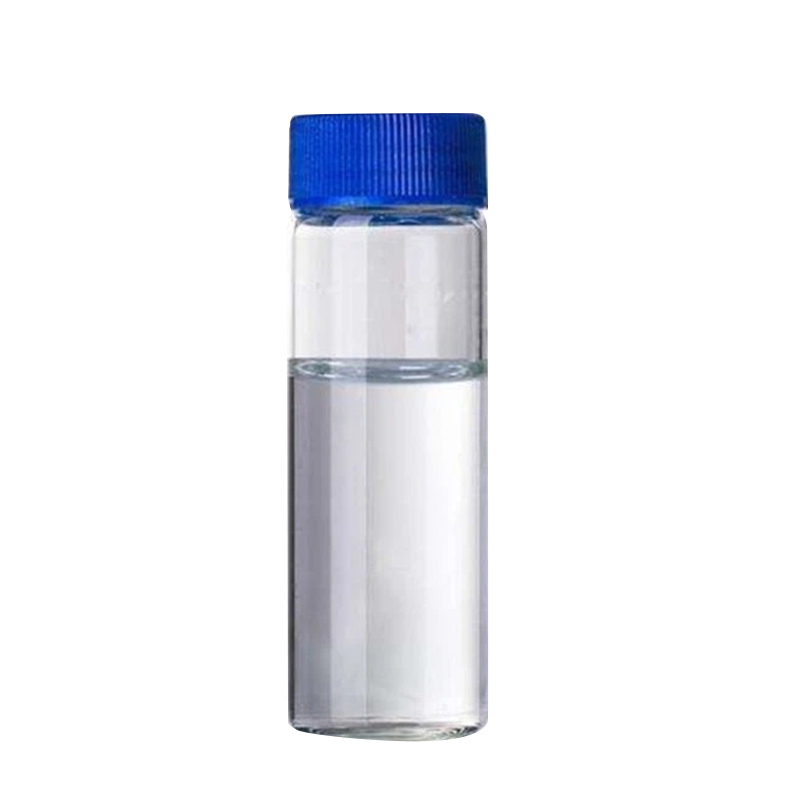
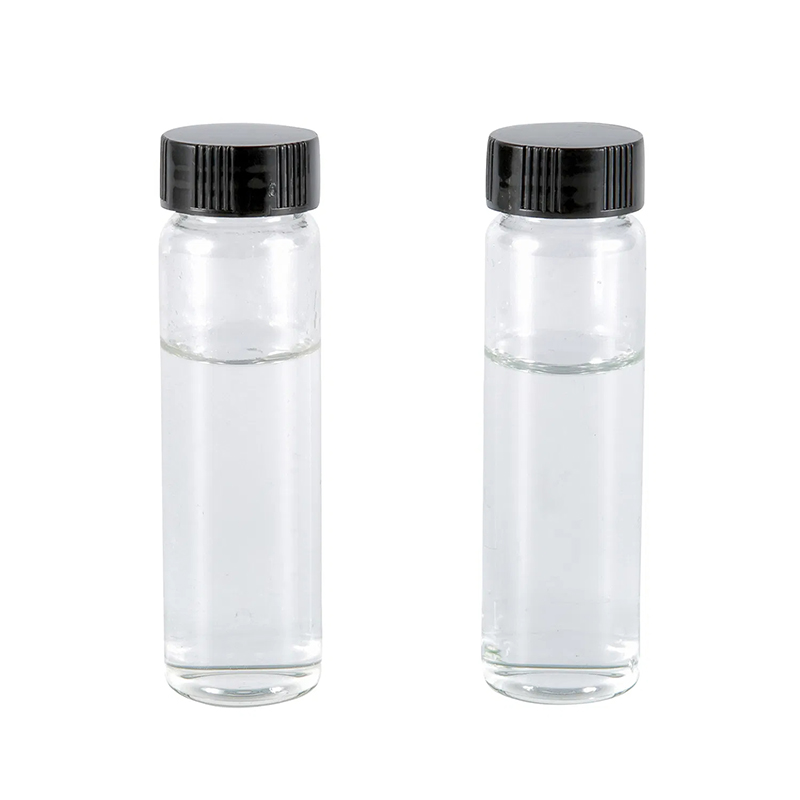
| form | Liquid |
| color | Clear colorless to slightly yellow |
| Odor | strong pungent odor |
| Water Solubility | reacts |
| FreezingPoint | -22.5℃ |
| Sensitive | Moisture Sensitive |
| Merck | 142067 |
| BRN | 605439 |
| Exposure limits | ACGIH: TWA 0.05 ppm; STEL 0.15 ppm (Skin) |
| NIOSH: IDLH 1.3 ppm; TWA 0.05 ppm(0.2 mg/m3) | |
| Stability: | Stable. Incompatible with strong bases, alcohols, strong oxidizing agents. May react violently on exposure to water or moisture. |
| CAS DataBase Reference | 79-04-9(CAS DataBase Reference) |
| NIST Chemistry Reference | Acetyl chloride, chloro-(79-04-9) |
| EPA Substance Registry System | Chloroacetyl chloride (79-04-9) |
| Hazard Codes | T,C,N |
| Risk Statements | 14-23/24/25-35-48/23-50-29 |
| Safety Statements | 9-26-36/37/39-45-61-7/8 |
| RIDADR | UN 1752 6.1/PG 1 |
| WGK Germany | 3 |
| RTECS | AO6475000 |
| TSCA | Yes |
| HazardClass | 6.1 |
| PackingGroup | I |
| HS Code | 29159000 |
| Hazardous Substances Data | 79-04-9(Hazardous Substances Data) |
| IDLA | 1.3 ppm (6 mg/m3) |

Leave your messages