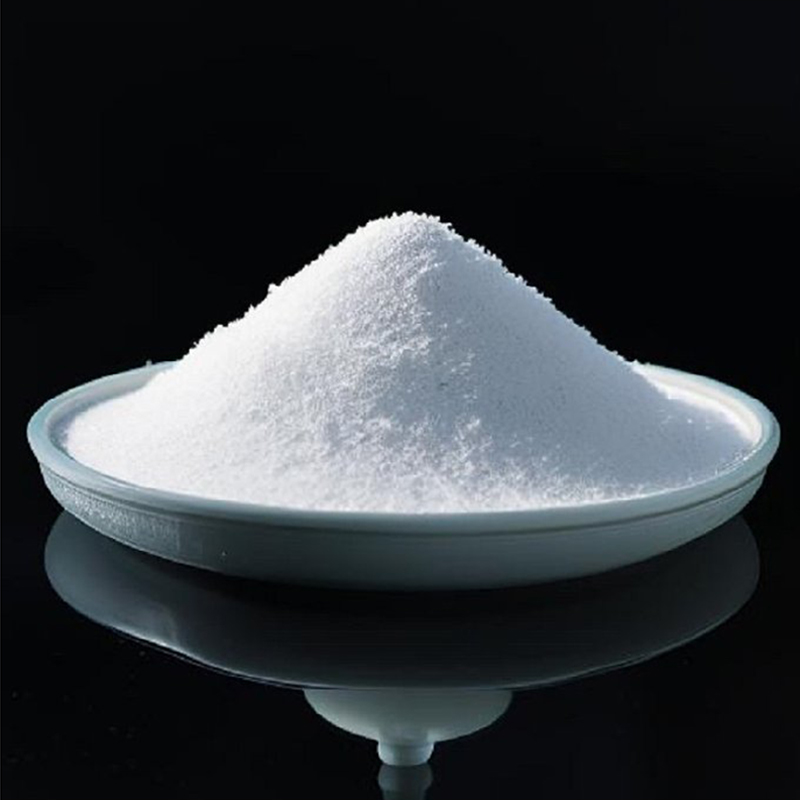
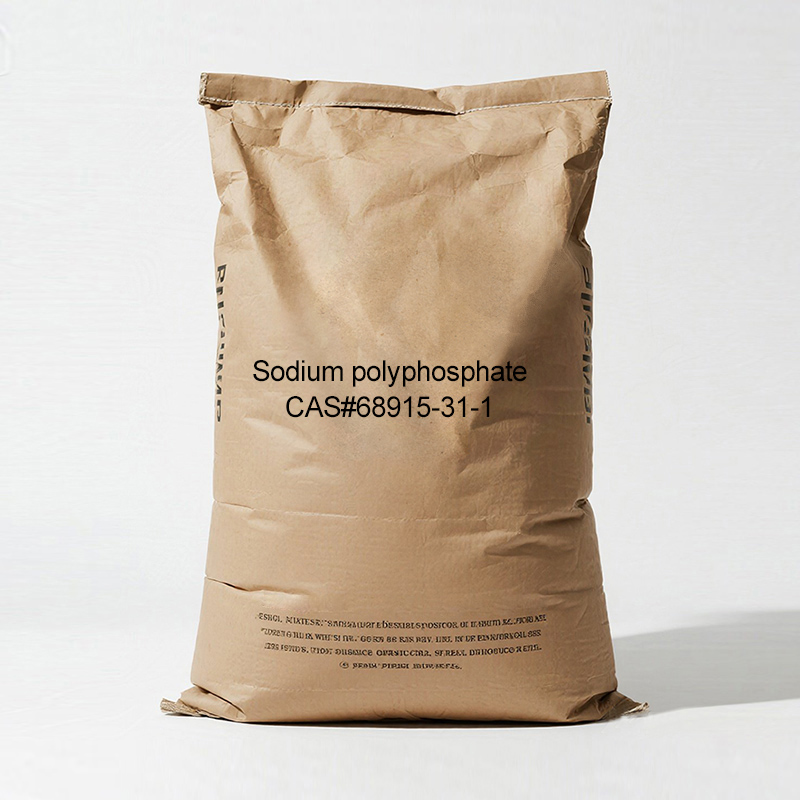
Sodium polyphosphateCAS#68915-31-1
Excellent Water Solubility: This compound is readily soluble in water but insoluble in organic solvents, making it suitable for water-based applications.
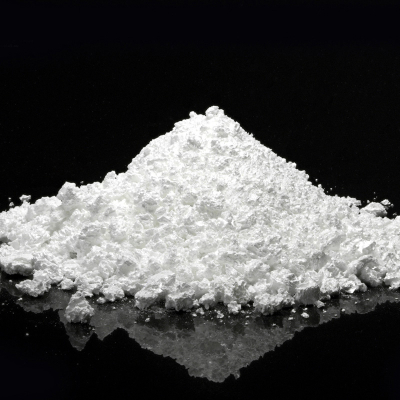
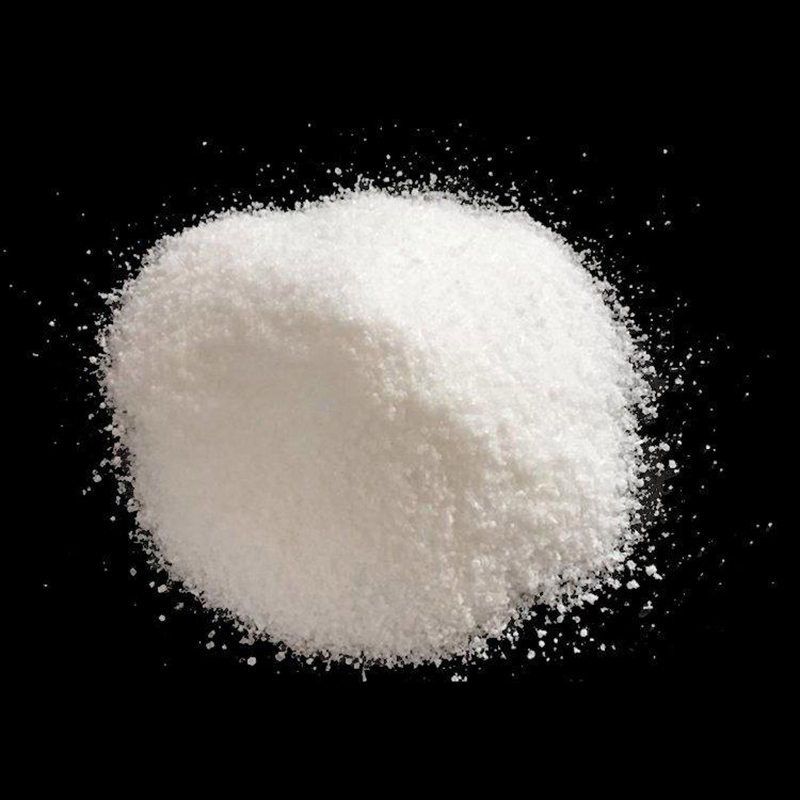
Distinctive Physical Appearance: It appears as a colorless, transparent glass-like block or flake, providing clearly identifiable physical characteristics.
High Thermal Decomposition Temperature: It has a melting point of 616°C (with decomposition), indicating a high temperature threshold before decomposition occurs.
Strong Hygroscopic Properties: This compound readily absorbs moisture and can hydrolyze into orthophosphate in warm water or in acidic or alkaline solutions.
Products Description of Sodium Polyphosphate CAS#68915-31-1
Sodium polyphosphate appears as a colorless, transparent glass-like block or flake. It is soluble in water but insoluble in organic solvents. The compound is highly hygroscopic and can readily hydrolyze into orthophosphate in warm water or in acidic or alkaline solutions. It has a melting point of 616°C, at which decomposition occurs, and a relative density (d₂₀/₂₀) of 2.484.
Sodium polyphosphate Chemical Properties
| English Name | Sodium polyphosphate |
| English Synonyms | Sodium Hexa meta phophate;SODIUM POLYPHOSPHATE EXTRA PURE;SODIUM POLYPHOSPHATE, CRYSTAL S, + 80 MES H, 96%;SodiumHexametaphosphateFoodGrade&TechnicalGrade;SodiumHexametaphosphateG lassy;Polyphosphorsuren, Natriumsalze;disodium [hydroxy(oxidanidyl)phosphoryl] hydrogen phosphate;SO DIUM HEXAMETAPHOSPHATE(TECH.GRADE) |
| CAS Number | 68915-31-1 |
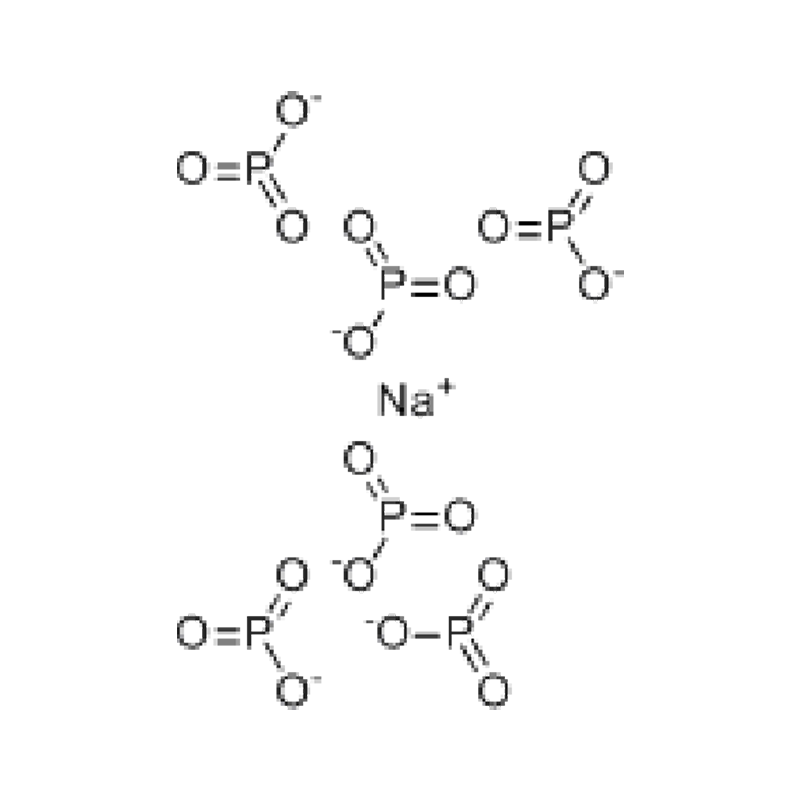
| Molecular Formula | Na3010P3X2 |
| Molecular Weight | 321.88 |
| EINECS Number | 272-808-3 |
| Refractive index | 1.482 |
| Solubility | Soluble in aqueous acid solutions (to a limited extent) and water (to a limited extent) |
| Form | Crystalline |
| Color | White to off-white |
| Odor | Odorless |
| Efficacy of cosmetic ingredients | Fragrance Chelating agent Preservation |
| InChI | InChI=1S/Na.6HO3P/c;6*1-4(2)3/h;6*(H,1,2,3)/q+1/p-6 |
| InChIKey | FWYVLGJBTZNHEM-UHFFFAOYSA-H |
| SMILES | [Na+].P([O-])(=O)=O.P([O-])(=O)=O.P([O-])(=O)=O.P([O-])(=O)=O.P([O-])(=O)=O.P([O-])(=O)=O |