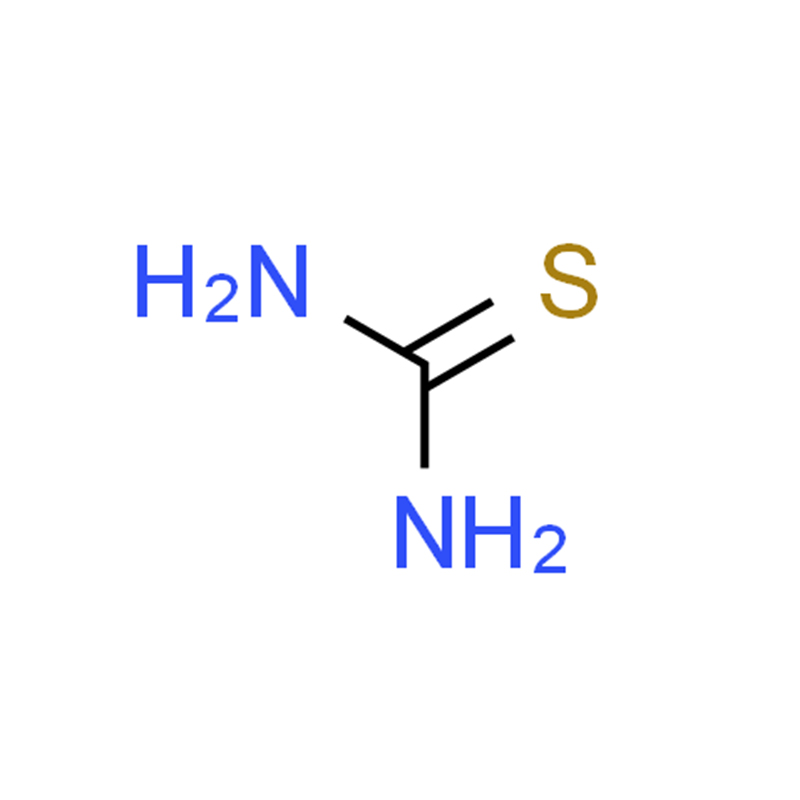
Thiourea CAS#62-56-6
High Chemical Reactivity and Versatility: Thiourea exhibits strong reactivity and can react with various organic and inorganic compounds to produce a wide range of derivatives and addition compounds.
Valuable Pharmaceutical Intermediate: Thiourea serves as an important intermediate in pharmaceutical synthesis, particularly for preparing heterocyclic compounds and thiourea-based molecules used in pharmaceutical applications.
Broad Applications in Organic Synthesis: It is used to produce thiourea derivatives, such as methylthiourea, diethylthiourea, diphenylthiourea, and thiourea dioxide, and serves as a catalyst in the preparation of phthalic anhydride and fumaric acid.
Wide Range of Industrial Applications: Thiourea is used in epoxy resin curing agents, resin coatings, rubber vulcanization accelerators, textile processing, electroplating additives, photographic materials, metal flotation, and agricultural chemicals.
Products Description of Thiourea CAS#62-56-6
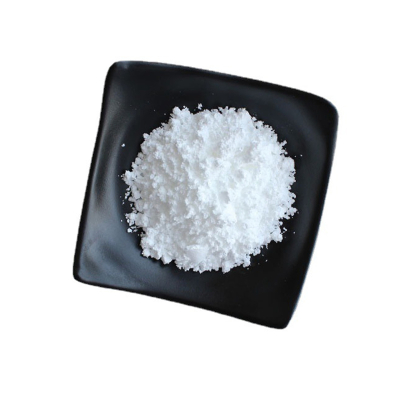
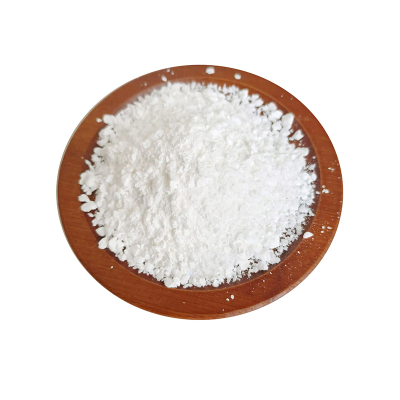
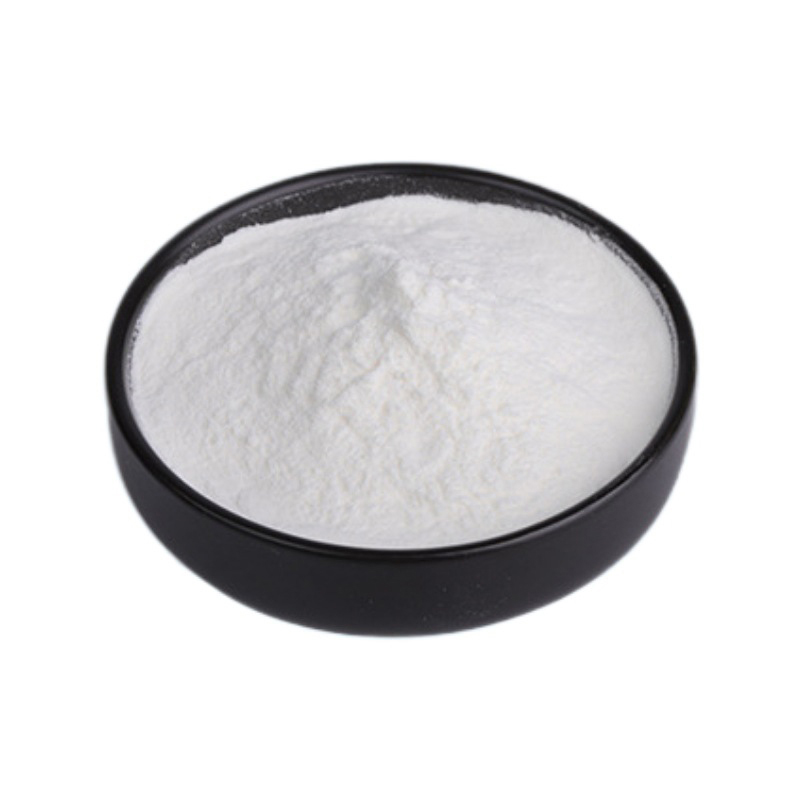
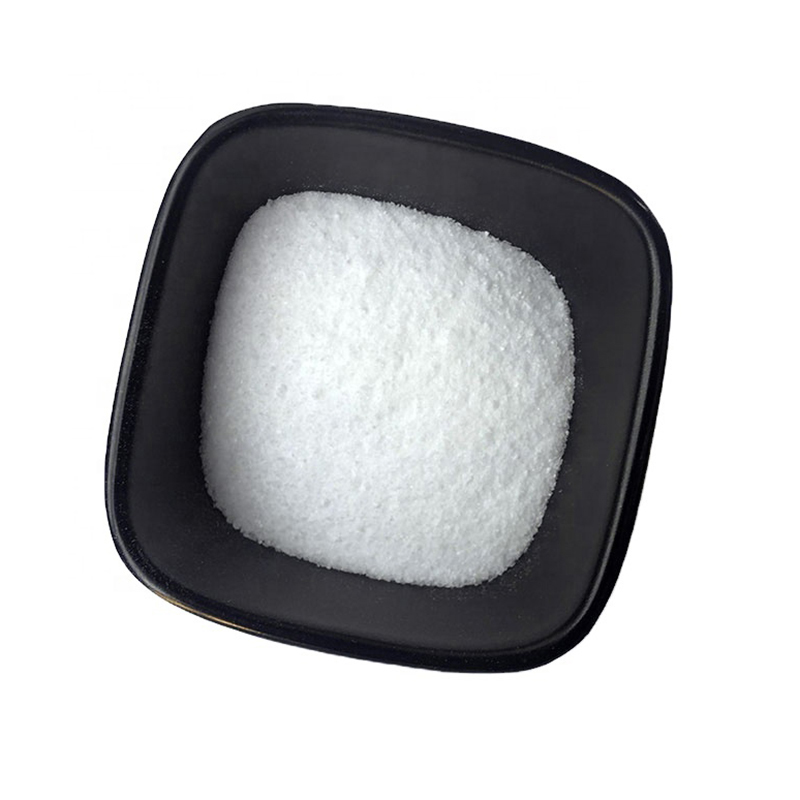
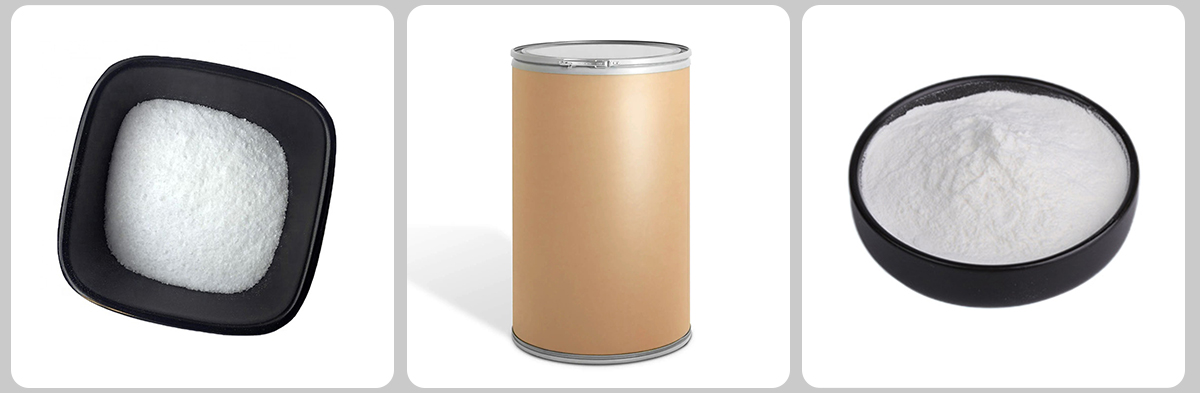
Thiourea is a white, lustrous crystalline compound with a bitter taste. It is soluble in cold water and ethanol, slightly soluble in ether, and readily absorbs moisture from the air. At 150°C, it transforms into ammonium thiocyanate. Thiourea exhibits reducing properties and can reduce free iodine to iodide ions.
Due to its high chemical reactivity, thiourea is widely used in the preparation of various compounds. It reacts with different oxidizing agents to form organic compounds and can also combine with inorganic compounds to produce readily soluble addition compounds.
Thiourea has a broad range of applications in the petrochemical and pharmaceutical industries. Many pharmaceutical compounds contain thiourea structural units, and thiourea is an important intermediate in the synthesis of heterocyclic compounds. For example, thiourea-related structures are found in various oral hypoglycemic and antithyroid drugs. In addition, thiourea compounds exhibit insecticidal activity and are widely used in pesticide applications.
In organic synthesis, thiourea is used to produce derivatives such as methylthiourea, diethylthiourea, diphenylthiourea, and thiourea dioxide. It also serves as a catalyst in the preparation of phthalic anhydride and fumaric acid. Furthermore, thiourea is used in the production of fast-curing epoxy resin agents, synthetic resin coatings, and anion-exchange resins. It can also function as a toughening agent for melamine-formaldehyde resin adhesives.
In photographic applications, thiourea is used as a developer, a toner, and a reducing agent for azo photosensitive paper. Its other industrial uses include serving as a rubber vulcanization accelerator, a metal ore flotation agent, a dyeing auxiliary, a processing aid for fabrics and nylon and polyester fibers, a paper treatment agent, an electroplating additive, and a metal rust inhibitor. It is also used in insecticides, fertilizers, and other chemical products.
Thiourea Chemical Properties
| Melting point | 170-176 °C (lit.) |
| Boiling point | 263.89°C (estimate) |
| density | 1.405 |
| refractive index | 1.5300 (estimate) |
| storage temp. | Store below +30°C. |
| solubility | water: soluble137g/L at 20°C |
| form | Crystals |
| pka | -1.0(at 25℃) |
| Specific Gravity | 1.406 |
| color | White to almost white |
| Odor | Odorless |
| PH Range | 46149 |
| PH | 6-8 (50g/l, H2O, 20℃) |
| Water Solubility | 13.6 g/100 mL (20 ºC) |
| Merck | 149367 |
| BRN | 605327 |
| Stability: | Stable. Incompatible with strong acids, strong bases, strong oxidizing agents, metallic salts, proteins, hydrocarbons. May react violently with acrolein. |
| InChIKey | UMGDCJDMYOKAJW-UHFFFAOYSA-N |
| LogP | -1.050 (est) |
| CAS DataBase Reference | 62-56-6(CAS DataBase Reference) |
| IARC | 3 (Vol. Sup 7, 79) 2001 |
| NIST Chemistry Reference | Thiourea(62-56-6) |
| EPA Substance Registry System | Thiourea (62-56-6) |
| Hazard Codes | Xn,N,Xi |
| Risk Statements | 22-40-51/53-63-43-38 |
| Safety Statements | 36/37-61 |
| RIDADR | UN 2811 6.1/PG 3 |
| WGK Germany | 2 |
| RTECS | YU2800000 |
| Autoignition Temperature | 440 °C Dust |
| TSCA | Yes |
| HazardClass | 6.1 |
| PackingGroup | III |
| HS Code | 29309070 |
| Hazardous Substances Data | 62-56-6(Hazardous Substances Data) |
| Toxicity | LD50 orally in wild Norway rats: 1830 mg/kg (Dieke) |
Product Application of Thiourea CAS#62-56-6
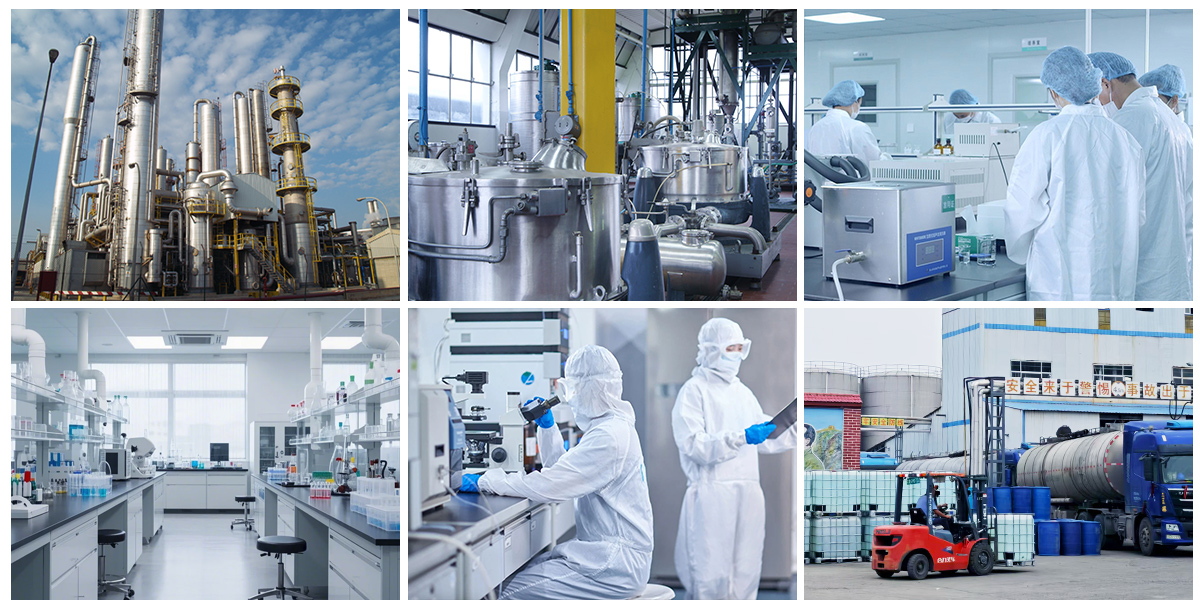
Thiourea is used as a raw material in the synthesis of pharmaceuticals, including sulfathiazole, methionine, and pig fat tablets. It is also utilized in the production of dyes, dyeing auxiliaries, resins, and compression powders. In the rubber industry, thiourea serves as a vulcanization accelerator, while in mineral processing, it is used as a flotation agent for metal ores. Additionally, it functions as a catalyst in the preparation of phthalic anhydride and fumaric acid, as well as a metal corrosion inhibitor.
In photographic applications, thiourea is used as a developer and toner. It also has applications in the electroplating industry and is used in the production of diazo-sensitive paper, synthetic resin coatings, and anion-exchange resins. Other uses include serving as a germination promoter, fungicide, and fertilizer.