Tert-Butyl methyl ether CAS#1634-04-4
Effective Gasoline Additive — Used as an additive in unleaded gasoline to support cleaner and more environmentally friendly combustion.
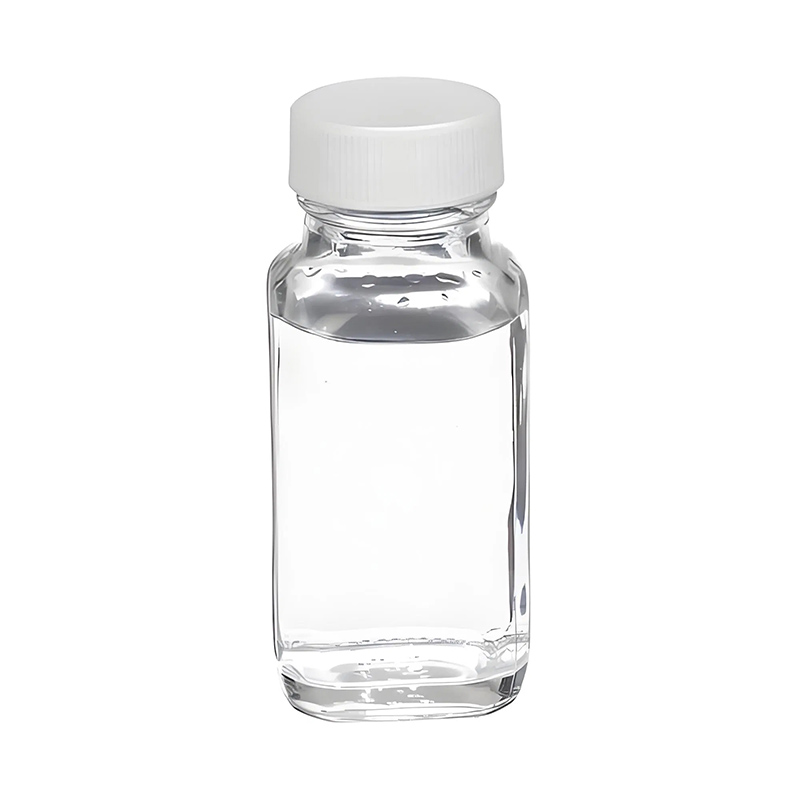
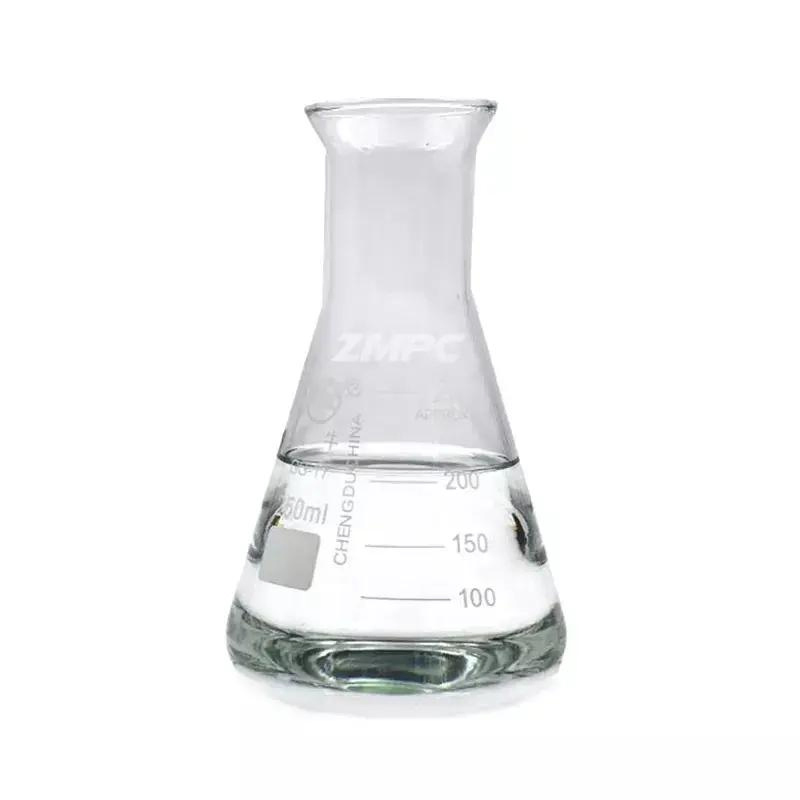
Colorless Liquid Form — Available as a colorless liquid with distinctive physical characteristics, making it convenient for industrial handling and processing.
Versatile Chemical Applications — Produced from chemical raw materials such as isobutylene and methanol, supporting its use in different chemical applications.
Specialized Medical Application — Can be used in the dissolution of gallstones through direct delivery to the gallbladder in specialized medical procedures.
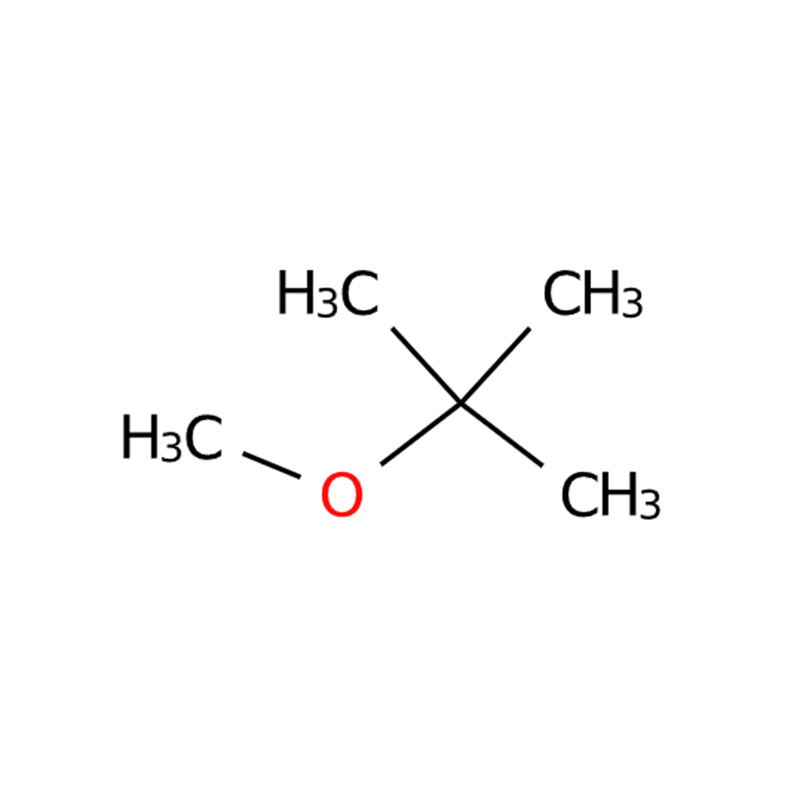
Tert-Butyl Methyl Ether CAS#1634-04-4
Methyl tert-butyl ether (MTBE) is a colorless liquid with a distinctive and unpleasant odor. It is produced by combining chemical substances such as isobutylene and methanol. Since the 1980s, MTBE has been used as an additive in unleaded gasoline to promote cleaner and more environmentally friendly combustion.
MTBE is also used for the dissolution of gallstones. In this application, MTBE is delivered directly into the gallbladder through specialized tubes that are surgically inserted.
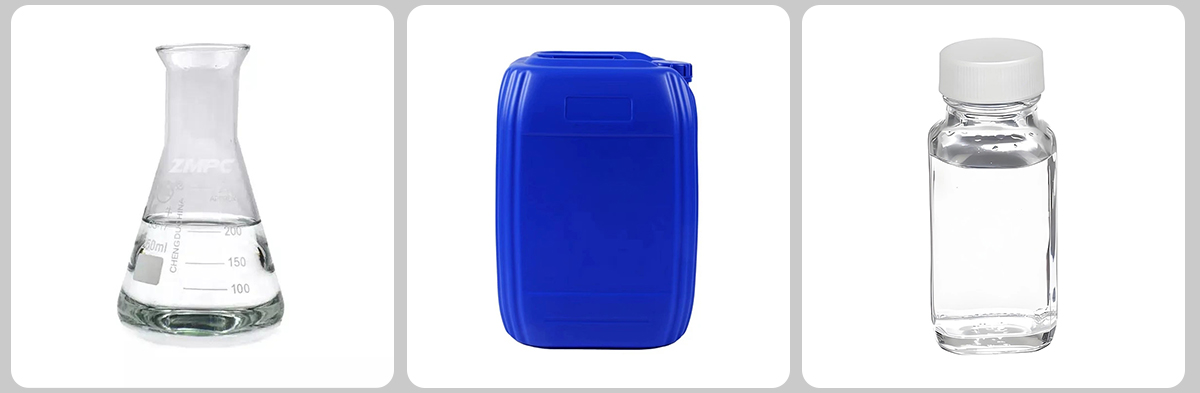
tert-Butyl methyl ether Chemical Properties
| Melting point | -110 °C |
| Boiling point | 55-56 °C(lit.) |
| density | 0.7404 |
| vapor density | 3.1 (vs air) |
| vapor pressure | 4.05 psi ( 20 °C) |
| refractive index | n20/D 1.369(lit.) |
| Fp | -27 °F |
| storage temp. | Store at +2°C to +25°C. |
| solubility | 42g/l |
| form | Powder or Needles |
| color | APHA: ≤10 |
| Specific Gravity | 0.74 |
| Odor | Characteristic ethereal odor |
| Relative polarity | 0.124 |
| explosive limit | 1.5-8.5%(V) |
| Water Solubility | 51 g/L (20 ºC) |
| FreezingPoint | -108.6℃ |
| λmax | λ: 210 nm Amax: 1.0 |
| λ: 225 nm Amax: 0.50 | |
| λ: 250 nm Amax: 0.10 | |
| λ: 300-400 nm Amax: 0.005 | |
| Merck | 146032 |
| BRN | 1730942 |
| Exposure limits | ACGIH: TWA 50 ppm |
| Dielectric constant | 4.5 |
| Stability: | Stable, but may form explosive peroxides in contact with air. Extremely flammable - note low flash point. Incompatible with strong oxidizing agents. |
| InChIKey | BZLVMXJERCGZMT-UHFFFAOYSA-N |
| LogP | 1.06 at 20℃ |
| CAS DataBase Reference | 1634-04-4(CAS DataBase Reference) |
| IARC | 3 (Vol. 73) 1999 |
| NIST Chemistry Reference | Propane, 2-methoxy-2-methyl-(1634-04-4) |
| EPA Substance Registry System | Methyl tert-butyl ether (1634-04-4) |
| Hazard Codes | Xn,F,Xi,T |
| Risk Statements | 36/37/38-40-38-11-39/23/24/25-23/24/25 |
| Safety Statements | 9-16-24-45-36/37-7 |
| RIDADR | UN 2398 3/PG 2 |
| WGK Germany | 3 |
| RTECS | KN5250000 |
| F | 46091 |
| Autoignition Temperature | 705 °F |
| TSCA | Yes |
| HS Code | 2909 19 90 |
| HazardClass | 3 |
| PackingGroup | II |
| Hazardous Substances Data | 1634-04-4(Hazardous Substances Data) |
| Toxicity | . LC50 in mice (15 min): 1.6 mmol/liter of atmosphere (Marsh) |
Product Usage
Methyl tert-butyl ether (MTBE) was widely used as a gasoline additive in unleaded gasoline in the United States before 2005. It is also used in the production of isobutene and as a chromatographic eluent, particularly in high-pressure liquid chromatography.
In addition, MTBE has pharmaceutical applications and can be introduced into the gallbladder to dissolve gallstones (ATSDR, 1996). Tert-butyl methyl ether is also used in the petrochemical industry. By reversing its formation reaction, MTBE can be cracked into isobutene and methanol over acidic catalysts at temperatures higher than those used for MTBE synthesis.