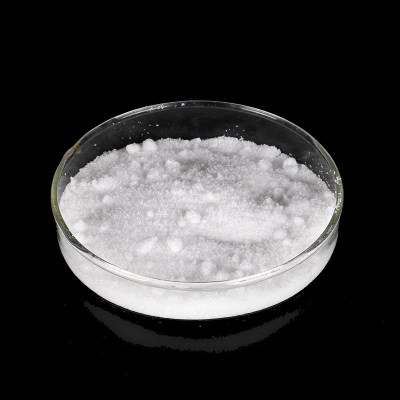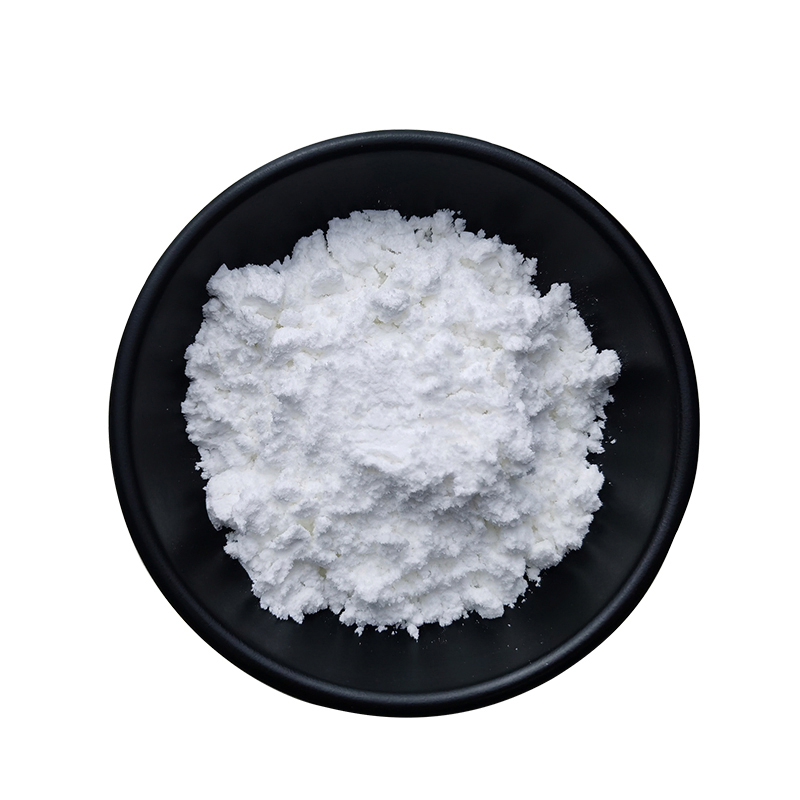
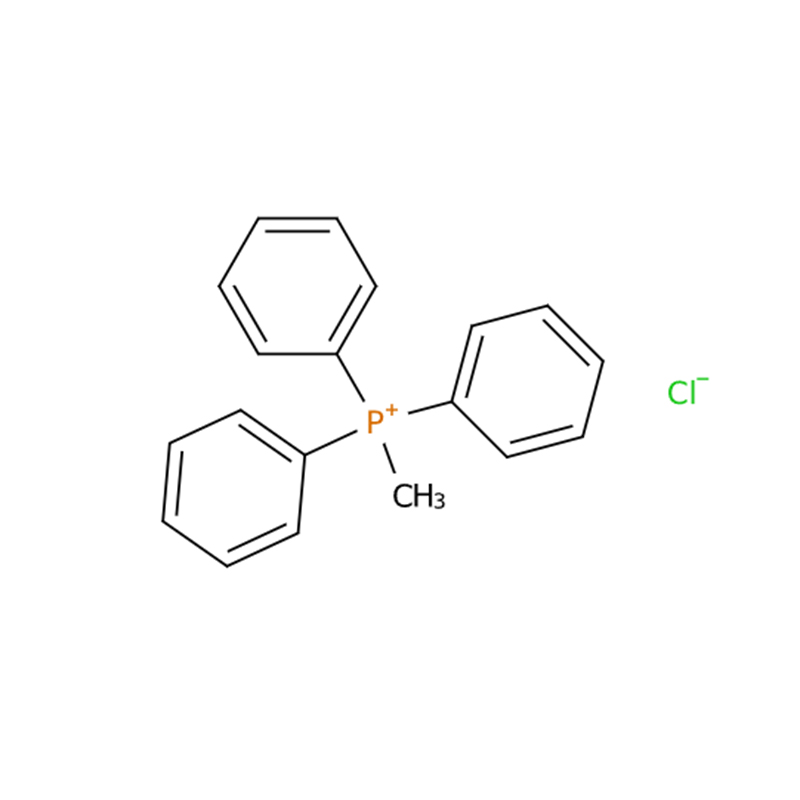
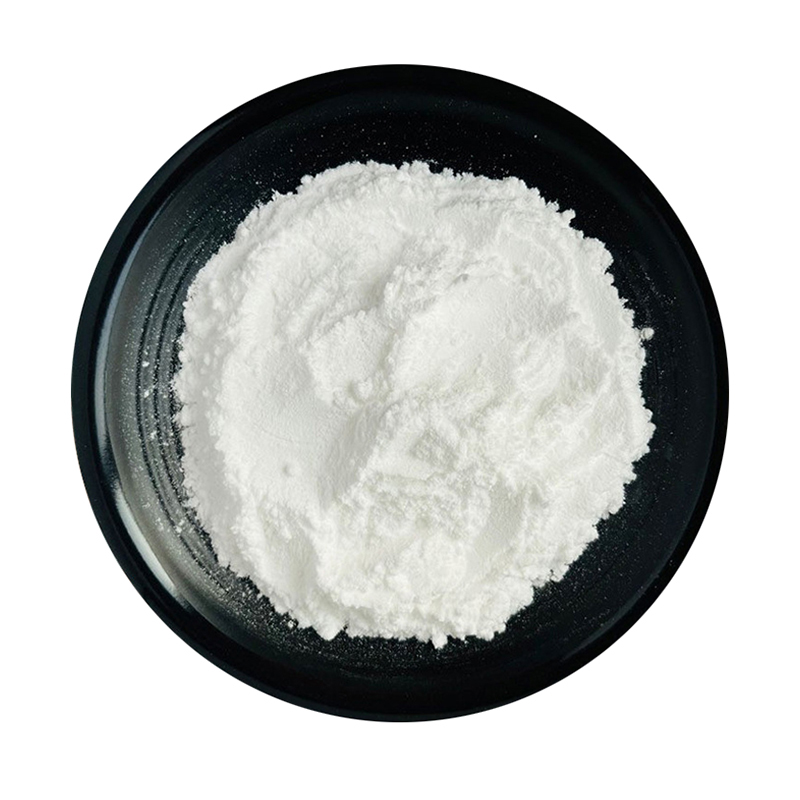
Triphenylmethylphosphonium chloride generally refers to methyltriphenylphosphonium chloride (CAS No. 1031-15-8), a commonly used organophosphorus salt reagent. At room temperature, it typically appears as a white to off-white crystalline solid. It has a melting point of 221°C (decomposition) and a boiling point of 332.65°C at 101.3 kPa, and it is soluble in methanol.
Methyltriphenylphosphonium chloride is widely used in pharmaceutical intermediate production and organic synthesis.
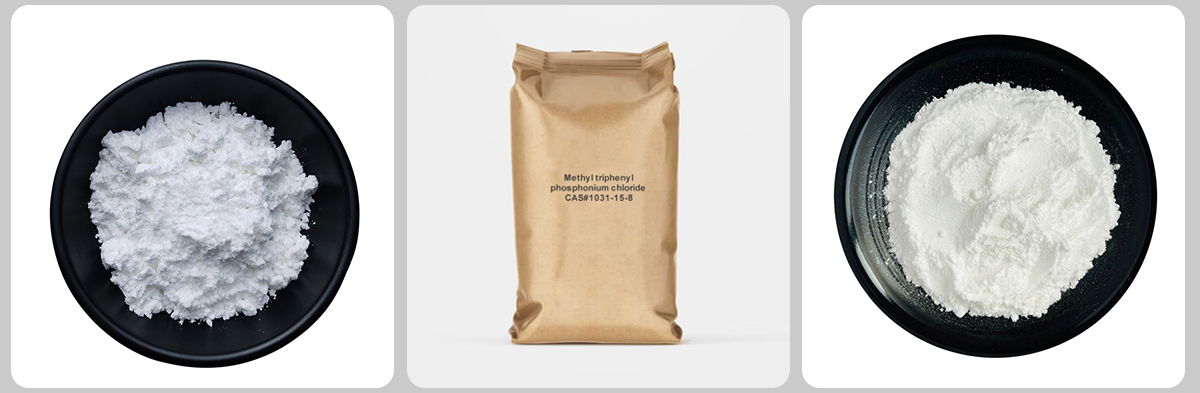
Methyl triphenyl phosphonium chloride Chemical Properties
| Melting point | 221°C (dec.) |
| Boiling point | 332.65℃ at 101.3kPa |
| density | 1.22 at 23℃ |
| vapor pressure | 0.001Pa at 40℃ |
| storage temp. | Inert atmosphere,Room Temperature |
| solubility | Soluble in methanol. |
| form | Solid:crystalline |
| color | White to Almost white |
| Sensitive | Hygroscopic |
| LogP | -1.73 at 20℃ and pH6.3-6.46 |
| Surface tension | 71.4mN/m at 1g/L and 20℃ |
| CAS DataBase Reference | 1031-15-8(CAS DataBase Reference) |
| Hazard Codes | Xn;N,N,Xn |
| Risk Statements | 21/22-38-41-51/53 |
| Safety Statements | 22-26-36/37/39-61 |
| RIDADR | UN 3077 |
| WGK Germany | 2 |
| HazardClass | 9 |
| PackingGroup | III |
| HS Code | 29319090 |

Primary Uses
Organic Synthesis: Methyltriphenylphosphonium chloride is frequently used as a reagent in the Wittig reaction to form carbon–carbon double bonds, playing an important role in the synthesis of alkene compounds.
Pharmaceutical and Chemical Industry: It serves as an important intermediate in the synthesis of various pharmaceutical products and is also used in the production of pesticides and fine chemicals.
Laboratory Research: It is a commonly used reagent in organic chemistry laboratories, where it is utilized for various functional group transformations and the synthesis of complex molecules.