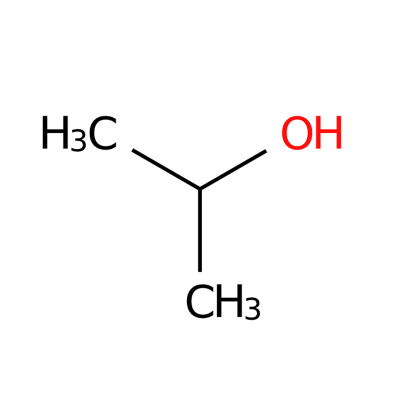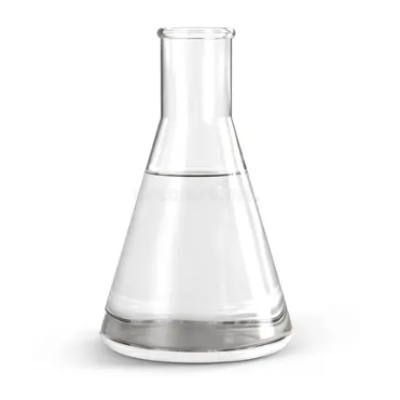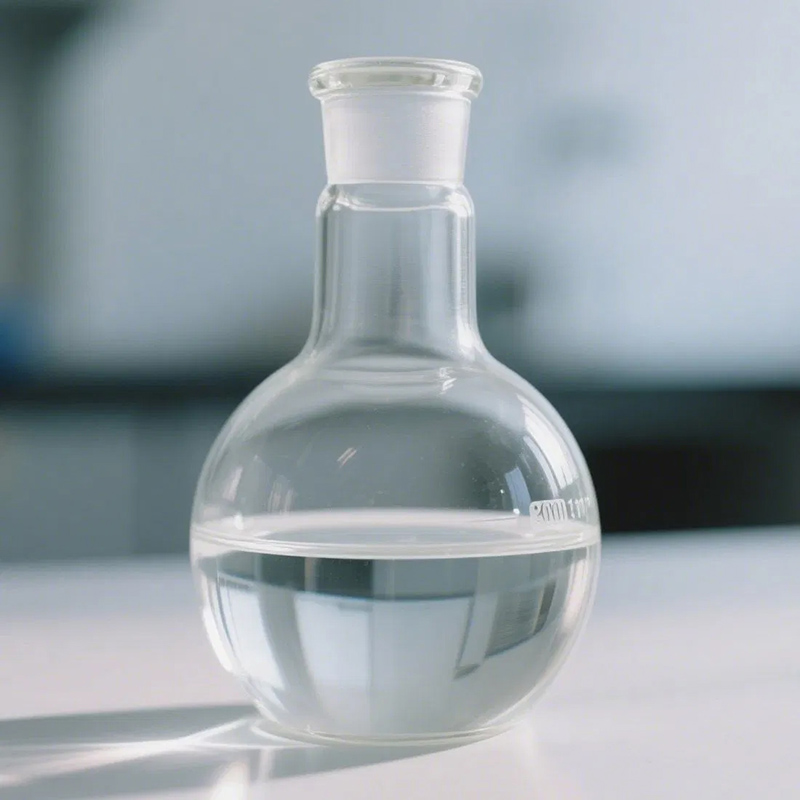
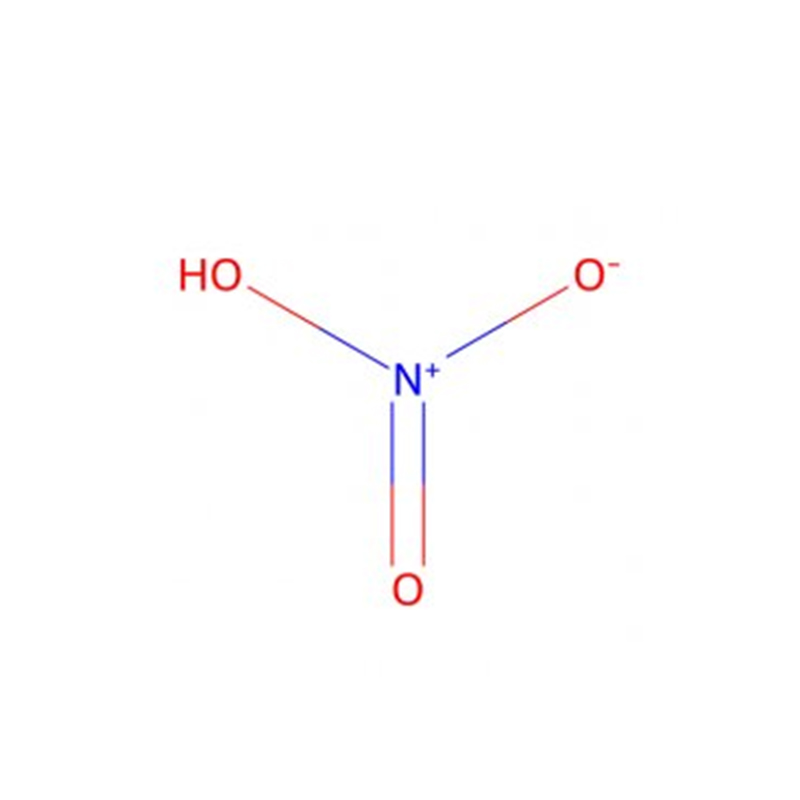
Nitric acid is a monoprotic inorganic strong acid known for its strong oxidizing ability and highly corrosive nature. It is one of the six major inorganic strong acids and serves as an important raw material in the chemical industry. With the chemical formula HNO₃ and a molecular weight of 63.01, nitric acid is widely used in various industrial processes.
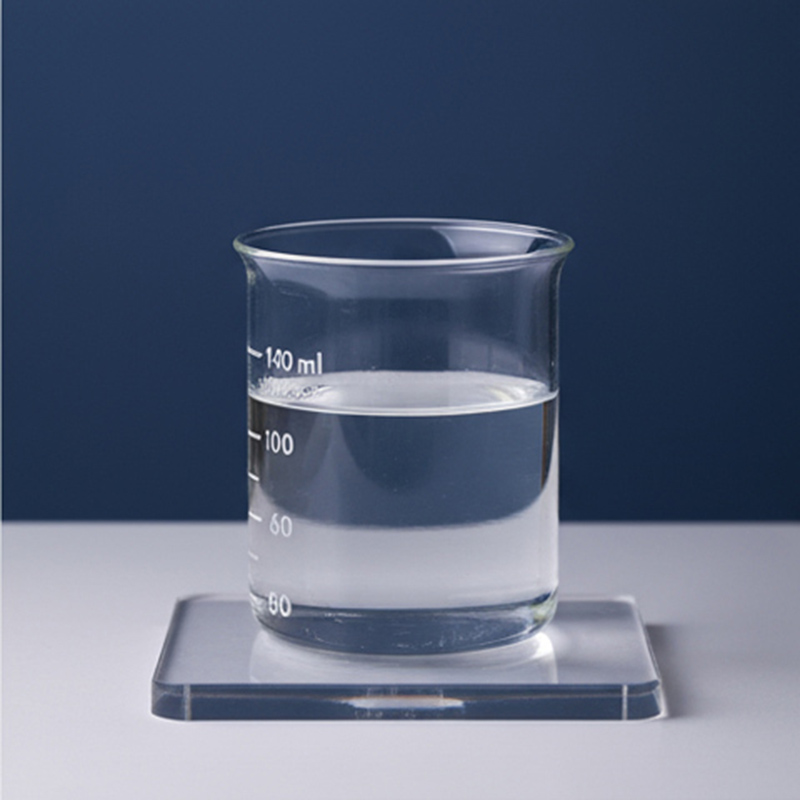
Its aqueous solution is commonly referred to as nitric acid solution or ammonia nitrogen solution. Pure nitric acid is a colorless, transparent, fuming liquid with a distinctly acidic taste. Industrially, it is widely used in the manufacture of fertilizers, pesticides, explosives, dyes, and other chemical products.
| Foreign Name | Nitric acid |
| Chemical Formula | HNO3 |
| Molecular Weight | 63.01 |
| CAS Number | 7697-37-2 |
| EINECS | 231-714-2 |
| Melting Point | -42 °C |
| Boiling Point | 83 ℃ |
| Water Solubility | Miscible with water |
| Density | 1.5 g/cm |
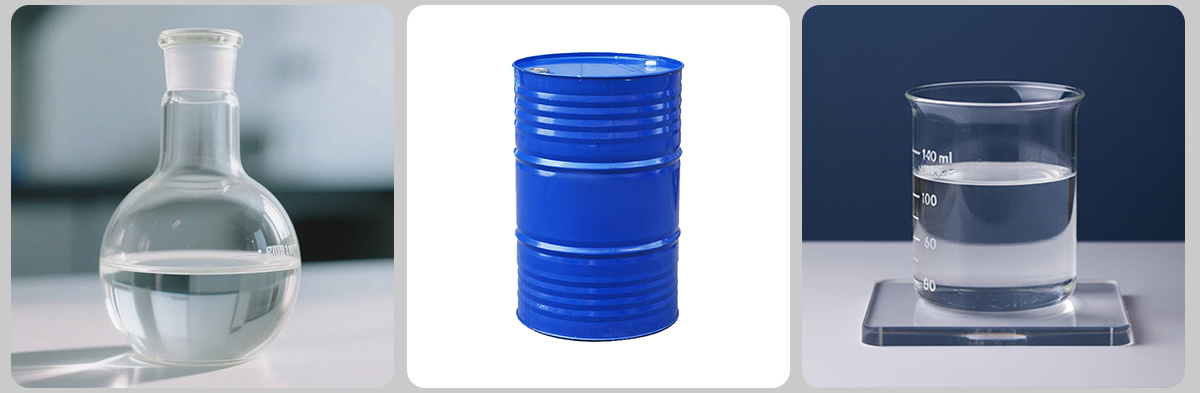
| Appearance | The pure product is a colorless, transparent, fuming liquid with a sour taste. |
| Application | It is mainly used in industries such as fertilizers, dyes, national defense, explosives, metallurgy, and pharmaceuticals. |
| viscosity(mPa.s) | 0.75(25°℃) |

Nitric acid is an important chemical raw material primarily used in the production of ammonium nitrate, calcium ammonium nitrate, nitric phosphate fertilizers, and compound fertilizers containing nitrogen, phosphorus, and potassium. It is also an essential raw material for manufacturing nitrate-based nitrogen fertilizers, such as ammonium nitrate and potassium nitrate, as well as aqua regia, nitroglycerin, nitrocellulose, nitrobenzene, picric acid, and nitrate esters. In addition, nitric acid is widely used in the production of nitro-based explosives.