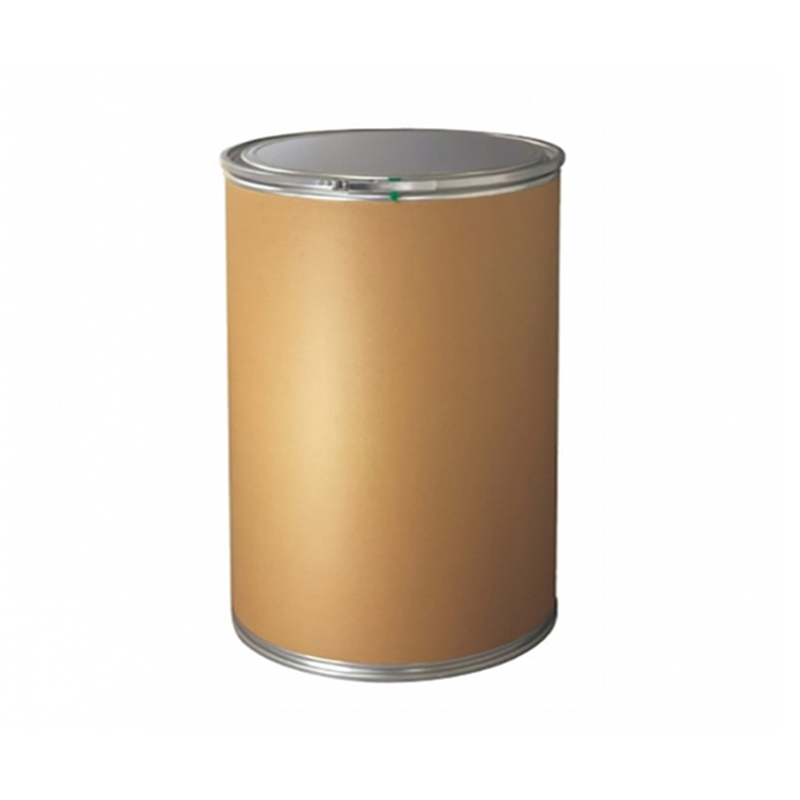
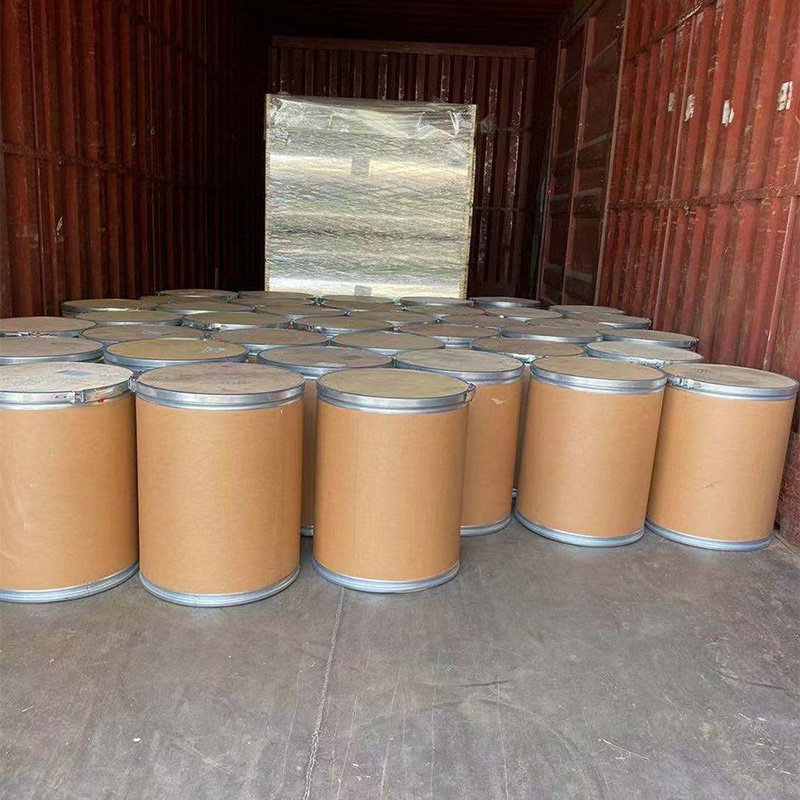
Ambroxane CAS#6790-58-5
Rich Ambergris Aroma: Ambroxan features a strong, rich ambergris scent complemented by mild woody notes, adding depth and warmth to fragrance compositions.
Excellent Fixative Properties: With its effective fragrance-fixing performance, Ambroxan helps enhance the lasting character of perfumes.
Alternative to Natural Ambergris: Ambroxan serves as a substitute for natural ambergris, offering an ambergris-like fragrance without relying on this ethically controversial animal-derived material.
Widely Used and Biodegradable: As one of the most widely used biodegradable ambergris aroma molecules, Ambroxan is suitable for a broad range of perfumery applications.
Products Description of Ambroxane CAS#6790-58-5
Ambroxan is a key component of natural ambergris and has been identified among the aromatic constituents of ambergris tinctures. It is characterized by a rich, intense ambergris aroma complemented by subtle woody notes. With its excellent fixative properties, Ambroxan is widely used in perfumery to provide a distinctive ambergris fragrance and serve as an alternative to natural ambergris.
Natural ambergris, a substance derived from whale excrement and sometimes found on beaches, is no longer used in perfume production for ethical reasons. Ambroxan was discovered in 1949 and has since become an important ingredient in perfumery. In fragrance terminology, the ambergris note may also refer to amber-style perfumes formulated with cistus essential oil and absolute as the base.
As a principal ingredient for creating ambergris-like fragrances, Ambroxan is one of the most widely used biodegradable ambergris aroma molecules in the perfume industry.
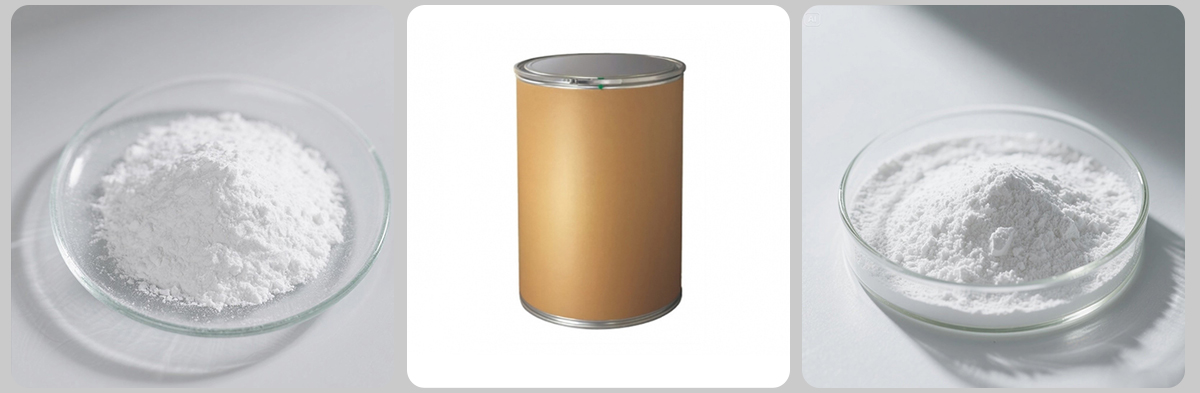
Ambroxane Chemical Properties
| Melting point | 74-76 °C (lit.) |
| alpha | -30 º (c=1% in toluene) |
| Boiling point | 273.9±8.0 °C(Predicted) |
| density | 0.939 |
| vapor pressure | 0.066Pa at 25℃ |
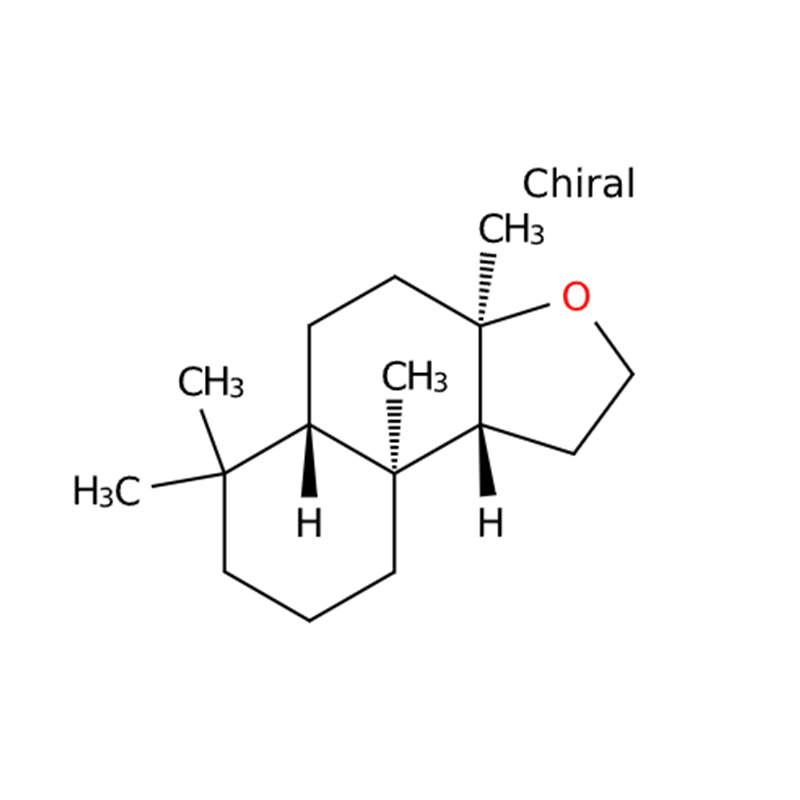
| FEMA | 3471 | 1,5,5,9-TETRAMETHYL-13-OXATRICYCLO(8.3.0.0(4,9))TRIDECANE |
| storage temp. | Sealed in dry,Room Temperature |
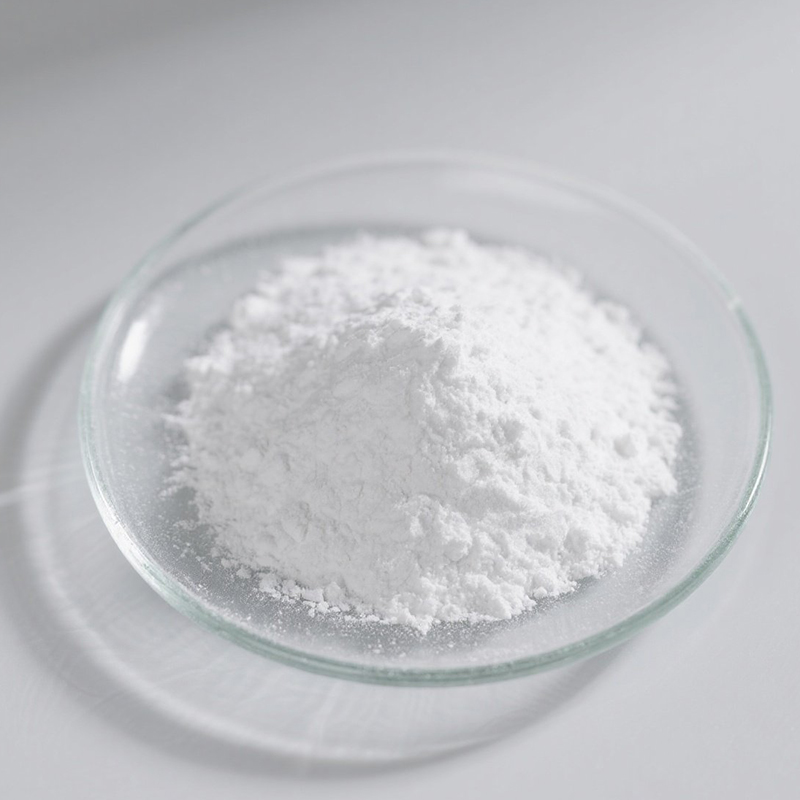
| form | powder to crystaline |
| color | White to Almost white |
| Odor | at 1.00 % in dipropylene glycol. ambergris old paper sweet labdanum dry |
| Odor Type | amber |
| optical activity | [α]20/D 29°, c = 1 in toluene |
| Water Solubility | 1.88mg/L at 20℃ |
| JECFA Number | 1240 |
| InChIKey | YPZUZOLGGMJZJO-LQKXBSAESA-N |
| LogP | 5.09 at 25℃ |
| CAS DataBase Reference | 6790-58-5(CAS DataBase Reference) |
| NIST Chemistry Reference | 8 «alpha»,12-epoxy-13,14,15,16-tertanorlabdane(6790-58-5) |
| EPA Substance Registry System | Naphtho[2,1-b]furan, dodecahydro-3a,6,6,9a-tetramethyl-, (3aR,5aS,9aS,9bR)- (6790-58-5) |

Product Application of Ambroxane CAS#6790-58-5
Ambroxane possesses a distinctive, rich ambergris aroma, making it a valuable ingredient in high-end perfumes and cosmetics. Due to its reported low irritation potential for humans and lack of allergic reactions in animals, it is suitable for fragrancing skin, hair, and fabrics. It is commonly used as a fragrance ingredient and fixative in soaps, talcum powders, creams, and shampoos, with a typical dosage of 0.1%–0.2%.
The pure product has a relatively subtle aroma immediately after distillation. However, when diluted to 10% in alcohol and exposed to air for a period of time, its fragrance develops into a softer, smoother, and more rounded scent. Its excellent fixative properties significantly enhance fragrance diffusion and penetration, contributing to the overall fragrance profile from the top notes through the entire scent composition.
In the tobacco industry, ambergris-inspired fragrance ingredients play an important role in the aroma of spiced tobacco. Ambroxane is one of the particularly notable components, making a significant contribution to the smoke aroma of blended cigarettes. It is also widely used in flue-cured tobacco applications and the perfume industry.
As a tobacco flavoring agent, Ambroxane blends harmoniously with tobacco's characteristic aroma while helping mask undesirable odors and impurities. Even in trace amounts, it can improve the overall aroma quality of tobacco. It is especially suitable for flavoring blended cigarettes and enhancing the distinctive flavor profile of Oriental tobacco.