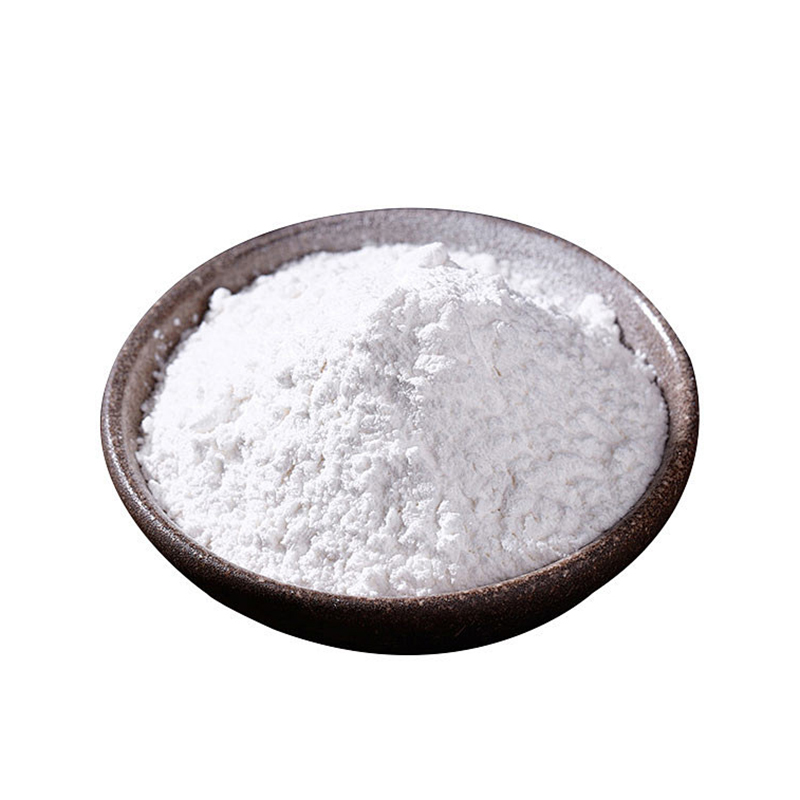
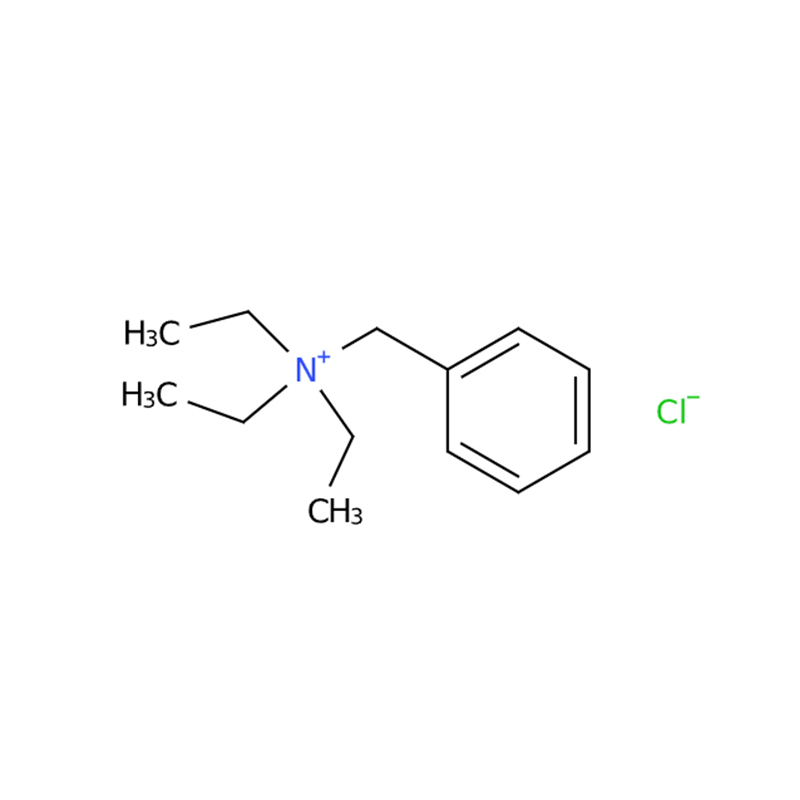
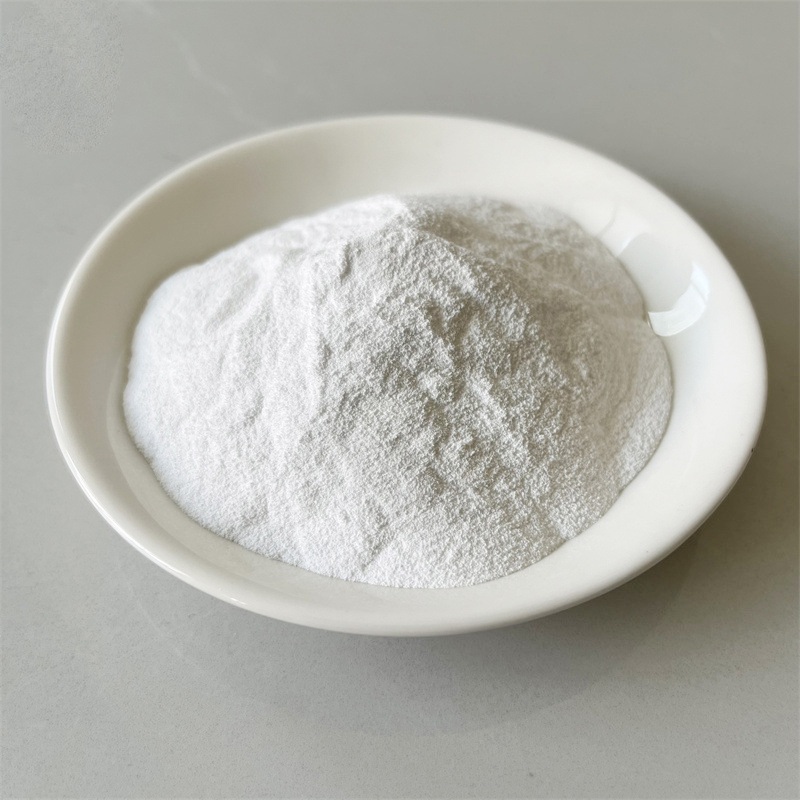
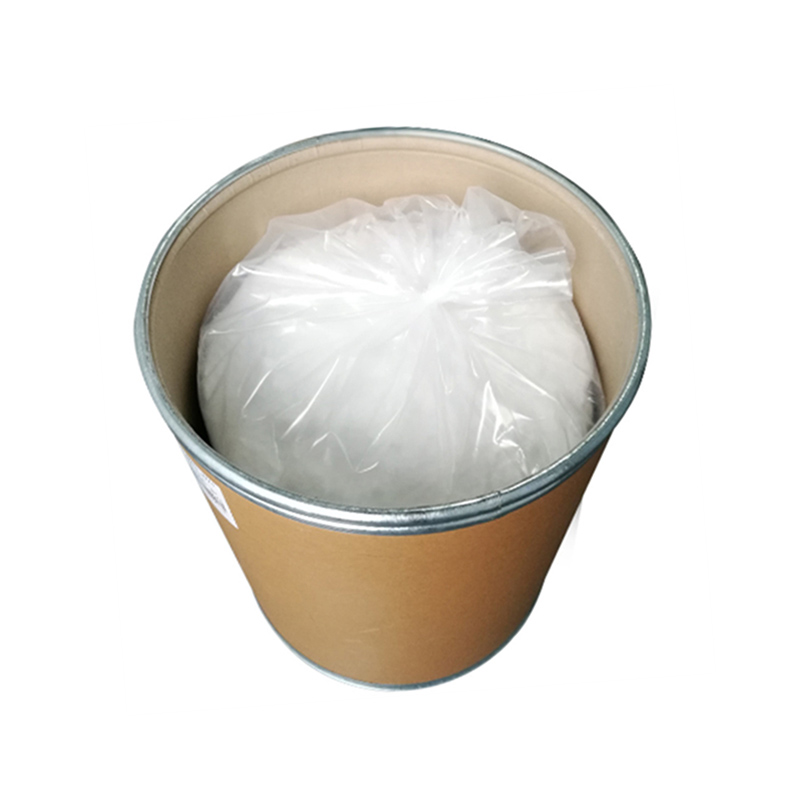
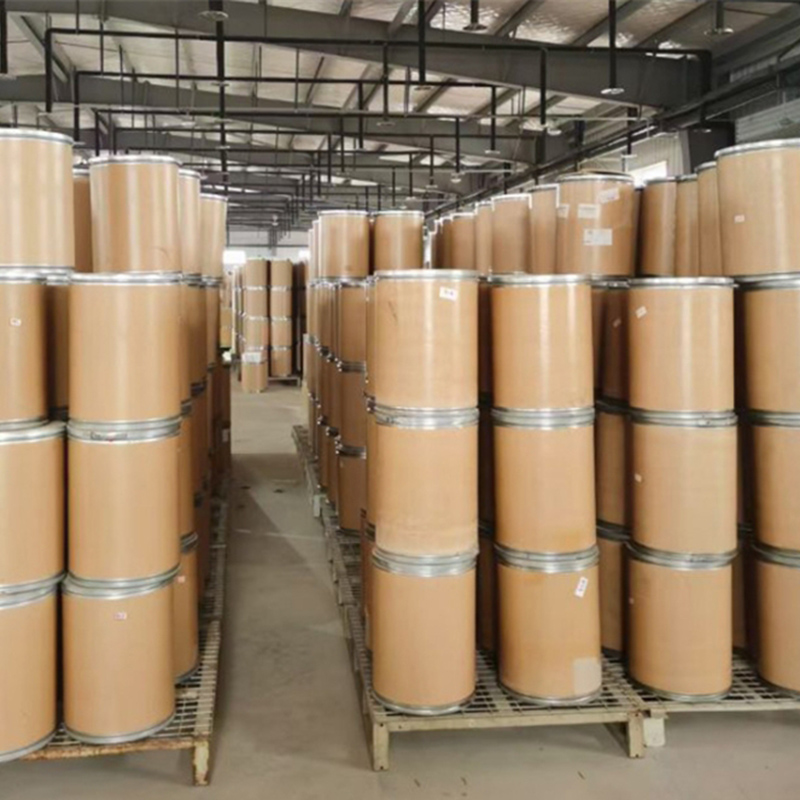
Benzyltriethylammonium chloride CAS#56-37-1
Excellent Water Solubility – Easily soluble in water, with its aqueous solution capable of conducting electricity, making it suitable for various aqueous systems.
Effective Phase Transfer Catalyst – Widely used as a phase transfer catalyst in organic synthesis, facilitating reactions between different phases.
Versatile Industrial Applications – Used in polymerization, electronics, oilfield chemicals, molecular sieve templates, and other specialized industrial applications.
Multifunctional Performance – Can serve as a surfactant, descaling agent, adsorbent, oil displacement agent, and analytical reagent, offering broad functional versatility.
Products Description of Benzyltriethylammonium Chloride CAS#56-37-1
Benzyltriethylammonium chloride is a quaternary ammonium salt with properties similar to those of inorganic salts. It is readily soluble in water, and its aqueous solution can conduct electricity.
Benzyltriethylammonium chloride has a wide range of applications. It is used as a phase-transfer catalyst in organic synthesis and as a curing accelerator in polymerization processes. It is also used as an organic electrolyte in the electronics industry, an oilfield chemical agent, a molecular sieve template agent, and a phase-change cold storage material.
In addition, benzyltriethylammonium chloride can be used as a high-performance liquid chromatography (HPLC) analytical reagent, surfactant, descaling agent, adsorbent, oil displacement agent, and for other industrial applications.
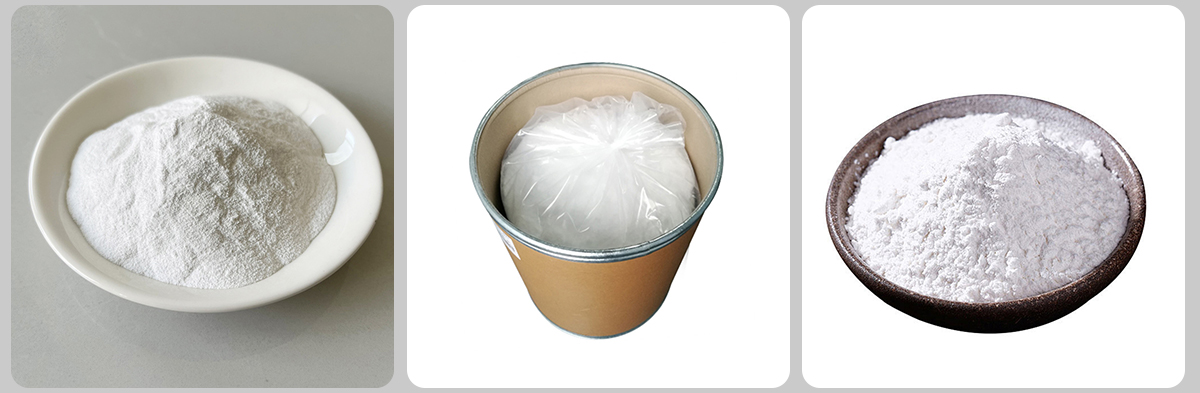
Benzyltriethylammonium Chloride Chemical Properties
| Melting point | 190-192 °C (dec.) (lit.) |
| Boiling point | 366.11°C (rough estimate) |
| density | 1.08 g/mL at 25 °C |
| refractive index | n20/D 1.479 |
| Fp | >100°C |
| storage temp. | Store below +30°C. |
| solubility | H2O: 0.1 g/mL, clear |
| form | Liquid |
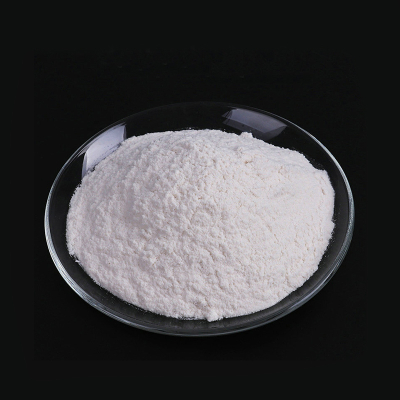
| color | White to beige |
| PH | 6-8 (100g/l, H2O, 20℃) |
| PH Range | 46181 |
| Water Solubility | 700 g/L (20 ºC) |
| Sensitive | Hygroscopic |
| Decomposition | 185°C |
| BRN | 3574984 |
| Stability: | Stable. Incompatible with strong oxidizing agents. |
| InChIKey | HTZCNXWZYVXIMZ-UHFFFAOYSA-M |
| CAS DataBase Reference | 56-37-1(CAS DataBase Reference) |
| EPA Substance Registry System | Benzyltriethylammonium chloride (56-37-1) |
| Hazard Codes | Xn,Xi |
| Risk Statements | 36/37/38-20/21/22 |
| Safety Statements | 26-36-37/39-26 37/39-36/37/39 |
| RIDADR | UN 2811 6.1/PG 3 |
| WGK Germany | 3 |
| RTECS | BO8400000 |
| F | 3 |
| Autoignition Temperature | 300 °C |
| TSCA | Yes |
| HS Code | 29239000 |
| Toxicity | LD50 orally in Rabbit: 2219 mg/kg |

Product Application of Benzyltriethylammonium Chloride CAS#56-37-1
Benzyltriethylammonium chloride, also known as TEBA, is a benzyl quaternary ammonium salt and cationic surfactant, as well as a widely used phase-transfer catalyst in scientific research and industrial production.
As a cationic surfactant, TEBA is mainly used as a disinfectant, hydrophobic agent, corrosion inhibitor, and demulsifier. As a phase-transfer catalyst, it is widely used in organic synthesis and polymerization reactions, with applications in pesticides, fragrances, photographic materials, pharmaceuticals, and other fields.
In organic synthesis, TEBA can be used to catalyze various reactions, including C-alkylation, O-alkylation, N-alkylation, and S-alkylation, as well as nucleophilic substitution reactions involving -CN and -F groups, carbene reactions, oxidation and reduction reactions, Darzens condensation, and Wittig–Horner synthesis. Its excellent catalytic performance makes it a highly valued reagent in organic chemistry.