Bismuth trioxide CAS#1304-76-3
Multiple Crystal Structures: Available in three distinct crystalline forms: α-type, β-type, and δ-type, each offering unique physical and chemical properties for different industrial applications.
Excellent Chemical Properties: Soluble in acids but insoluble in water, with well-defined chemical characteristics suitable for various chemical processes.
High Oxygen Ion Conductivity: The δ-type features a cubic fluorite crystal structure with oxygen vacancies, providing excellent oxygen ion conductivity for advanced material applications.
Versatile Industrial Applications: Widely used in the production of metallic bismuth, catalysts, and bismuth oxide superconducting materials, supporting a range of industrial and advanced technology applications.
Products Description of Bismuth Trioxide CAS#1304-76-3
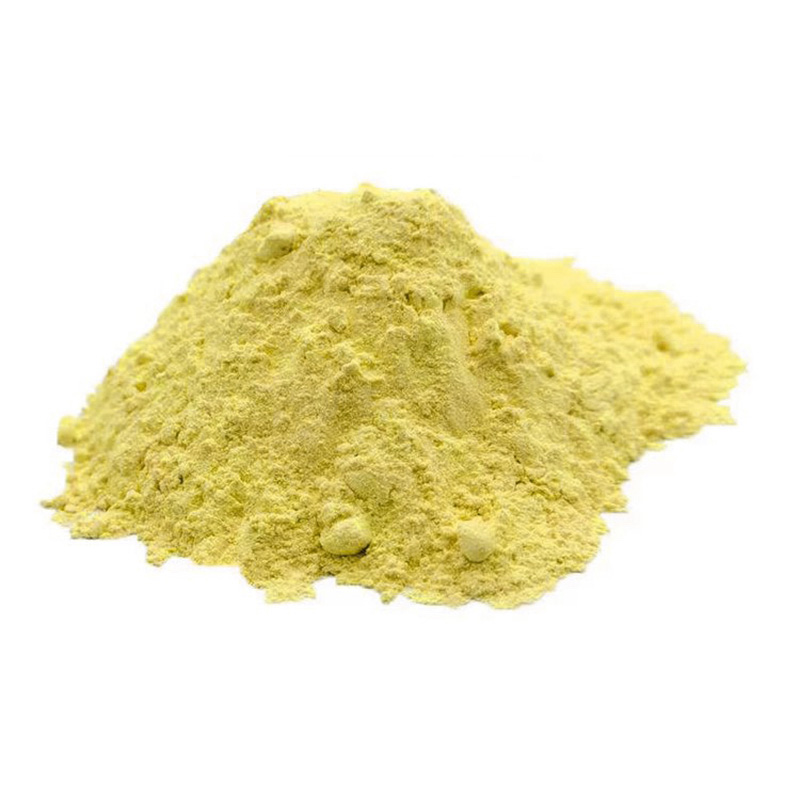
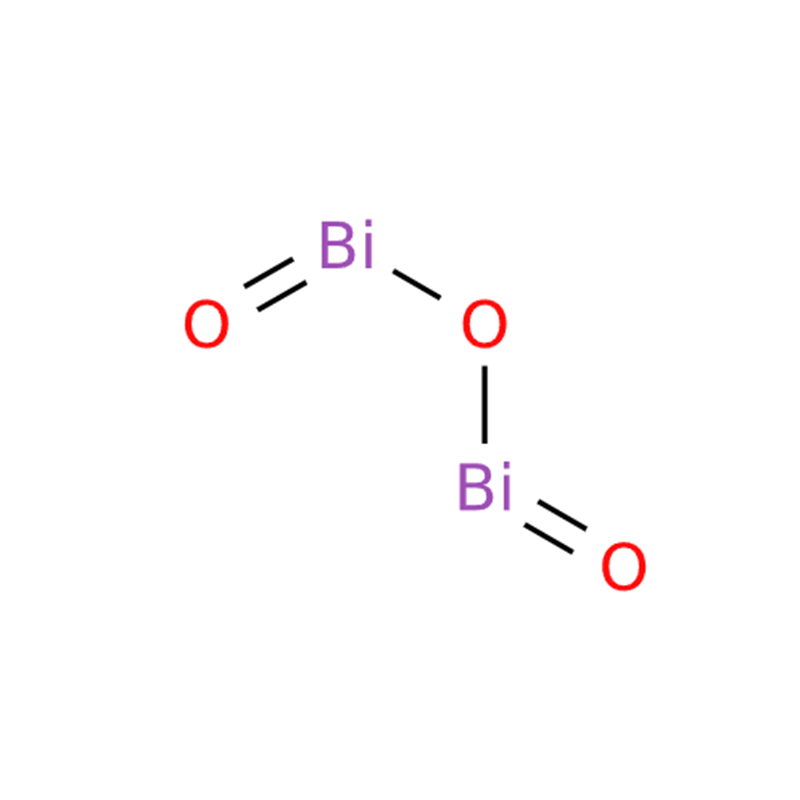
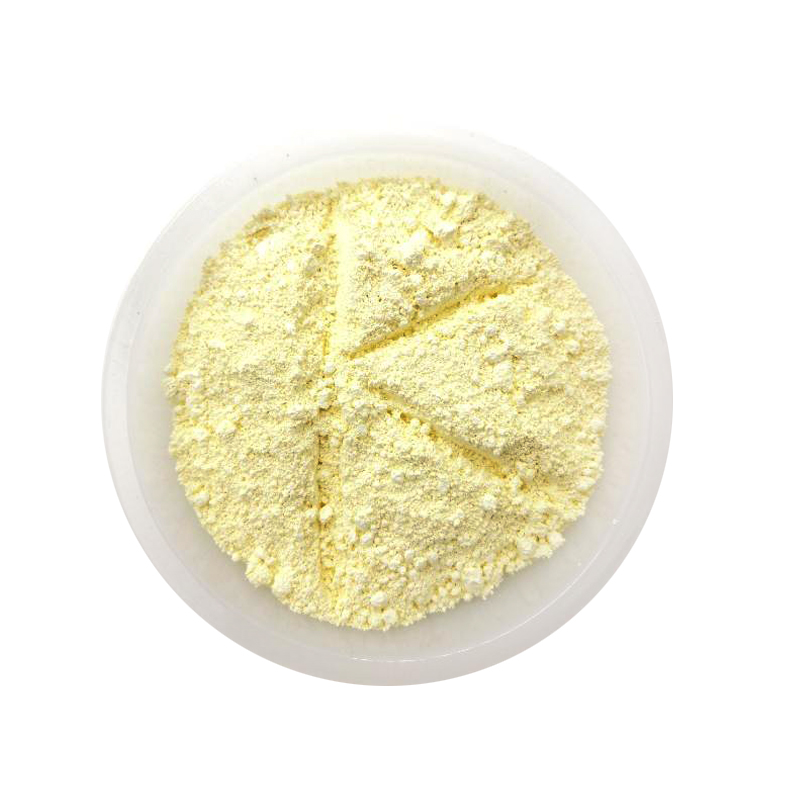
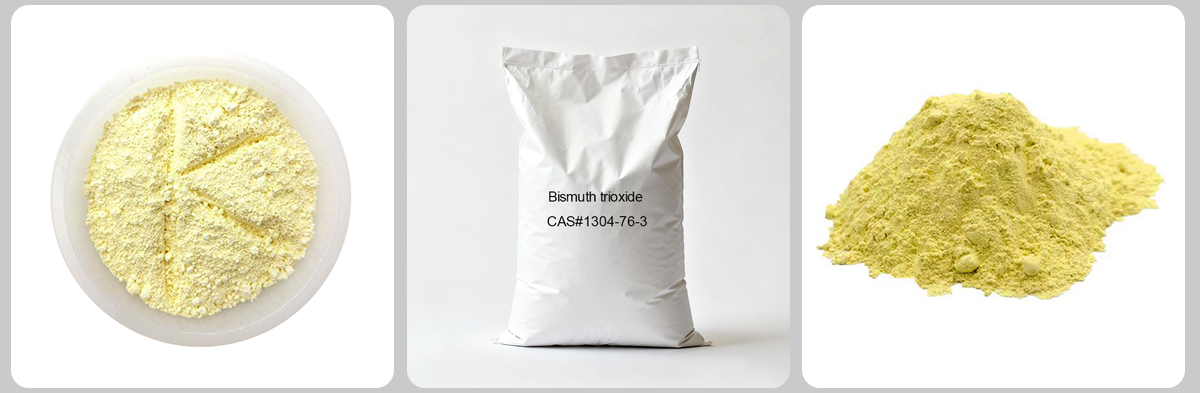
Bismuth trioxide, also known as bismuth oxide, typically appears as yellow monoclinic crystals. It is soluble in acids but insoluble in water and alkalis. The compound can be reduced to metallic bismuth by carbon or hydrogen and is commonly produced through the thermal decomposition of bismuth nitrate. It is widely used in the manufacture of metallic bismuth, catalysts, and bismuth oxide superconducting materials.
Pure bismuth trioxide is available in three crystalline forms: α-type, β-type, and δ-type, each exhibiting distinct physical and chemical properties. The α-type is a yellow monoclinic crystal with a relative density of 8.9 and a melting point of 825°C. It dissolves in acids but is insoluble in water and alkalis. The β-type appears as bright yellow to orange tetragonal crystals, with a relative density of 8.55 and a melting point of 860°C. It is soluble in acids but insoluble in water and can be readily reduced to metallic bismuth by hydrogen, hydrocarbons, and other reducing agents. The δ-type (δ-Bi₂O₃) is a special material with a cubic fluorite crystal structure. Approximately one-quarter of the oxygen ion sites in its lattice are vacant, resulting in exceptionally high oxygen ion conductivity.
Bismuth trioxide Chemical Properties
| Melting point | 825 °C |
| Boiling point | 1890°C |
| density | 8.9 |
| Fp | 1890°C |
| storage temp. | Store at +5°C to +30°C. |
| solubility | 0.006g/l practically insoluble |
| form | powder |
| color | Yellow |
| Specific Gravity | 8.9 |
| Odor | Odorless |
| Water Solubility | INSOLUBLE |
| Merck | 141273 |
| Stability: | Stable. |
| InChIKey | KOCGCHBRHPOCBW-UHFFFAOYSA-N |
| CAS DataBase Reference | 1304-76-3(CAS DataBase Reference) |
| NIST Chemistry Reference | bismuth(III) oxide(1304-76-3) |
| EPA Substance Registry System | Bismuth trioxide (1304-76-3) |
| Hazard Codes | Xi,Xn |
| Risk Statements | 36/37/38-20/21/22 |
| Safety Statements | 26-36/37-36 |
| WGK Germany | 2 |
| RTECS | EB2984460 |
| TSCA | Yes |
| HS Code | 2825 90 85 |
| Toxicity | LD50 orally in Rabbit: 5000 mg/kg |

Bismuth oxide is widely used in the production of bismuth salts and ceramic glazes. It is also utilized in clinical laboratory testing for the detection of sugars and alkaloids.
High-purity bismuth oxide has a broad range of industrial and advanced material applications, including:
Electronic Materials: Used as a powder component in electronic devices such as ceramic capacitors, varistors, and piezoelectric ceramics. The addition of ultrafine bismuth oxide powder can significantly improve key performance parameters and enhance overall device functionality.
Ferrite Magnetic Materials: Incorporating ultrafine bismuth oxide powder helps improve magnetic induction, permeability, and magnetic flux density, thereby optimizing the performance of ferrite magnetic materials.
Petrochemical Catalysts: With its large specific surface area, high activity, and excellent selectivity, bismuth oxide can substantially enhance catalytic efficiency and reduce production costs. It is also used in related passivating agents and additives.
Coatings and Automotive Finishes: Applied in shadow mask coatings for color cathode-ray tubes (CRTs) to effectively prevent mask bulging. It is also used as a component in automotive topcoats, providing an environmentally friendly and non-toxic alternative to hazardous metals.
Glass and Ceramic Applications: Serves as a colorant and glazing material in the glass and ceramics industries.
Advanced Materials and Specialty Applications: Used in the production of high-performance bismuth silicate single crystals, bismuth-based high-temperature superconducting materials, high-quality optical glass, optical fibers, fireworks, advanced oxide-based sensing materials, fuel cell electrolytes, rechargeable alkaline zinc-manganese batteries, flame retardants, and fining agents (clarifiers).
Environmentally Friendly Flame Retardants: Functions as a non-toxic, eco-friendly alternative to conventional antimony-based flame retardants, helping reduce the use of hazardous substances.
Battery Additives: Used as an additive in environmentally friendly batteries to help improve overall battery performance.