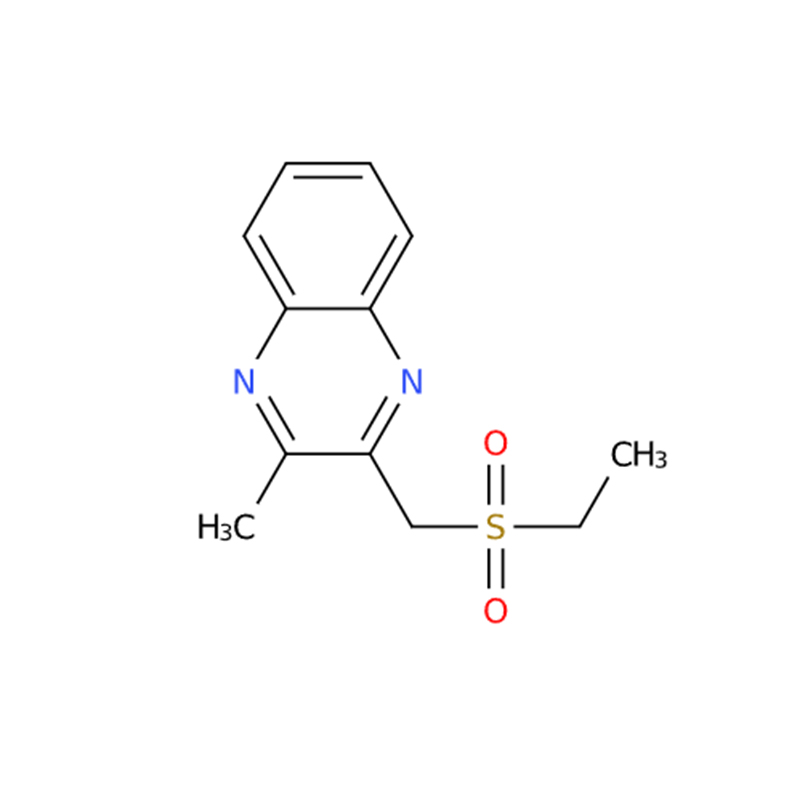
Carnauba wax CAS#8015-86-9
Natural Botanical Origin – The wax is extracted and refined from the leaves and buds of Brazilian palm, providing a naturally derived wax material.
Hard and Brittle Texture – It features a hard and brittle structure, offering excellent rigidity for applications requiring a firm wax material.
High Melting Point and Glossy Appearance – The wax has a high melting point and a shiny appearance, providing desirable physical characteristics for various formulations.
Rich and Defined Composition – Its composition is primarily based on palmitic acid wax esters, fatty acid esters, wax acids, and hydrocarbons, with hexadecanoic acid esters as the major component.
Products Description of Carnauba Wax CAS#8015-86-9
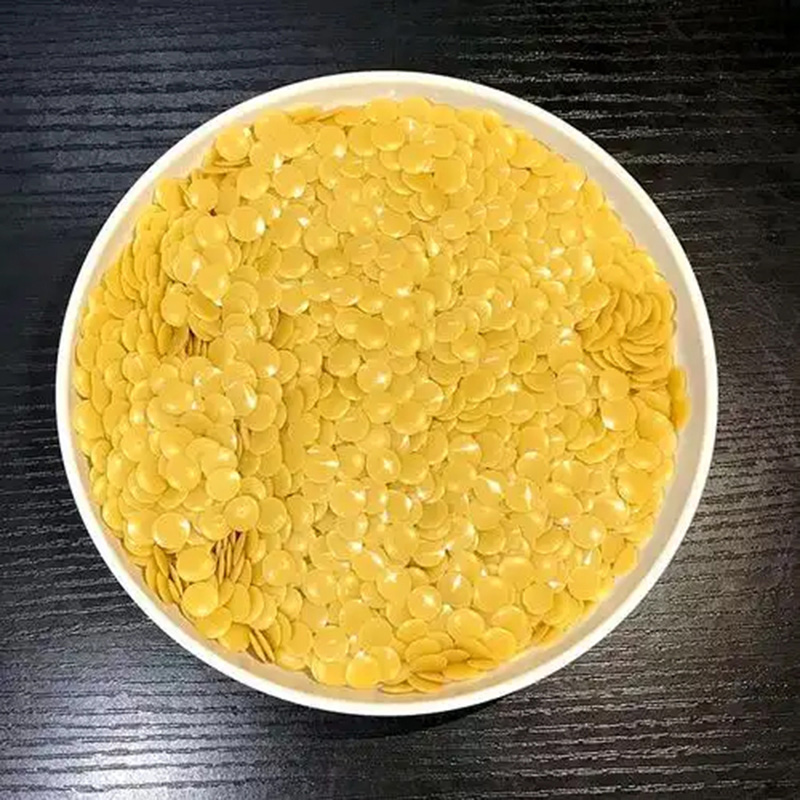
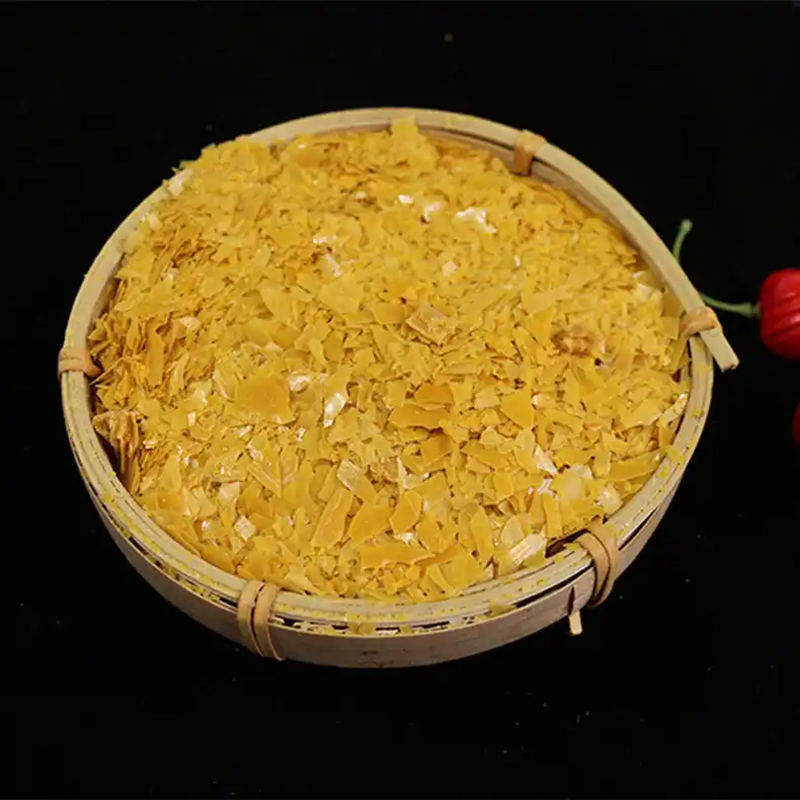
Carnauba wax is extracted and refined from the leaves and buds of Brazilian palm trees. It is a hard and brittle wax that is insoluble in water, with a high melting point and a glossy appearance. Its main components include palmitic acid wax esters, fatty acid esters, wax acids, and hydrocarbons. Hexadecanoic acid esters account for the majority of its composition, along with small amounts of diesters and hydroxy fatty acids.
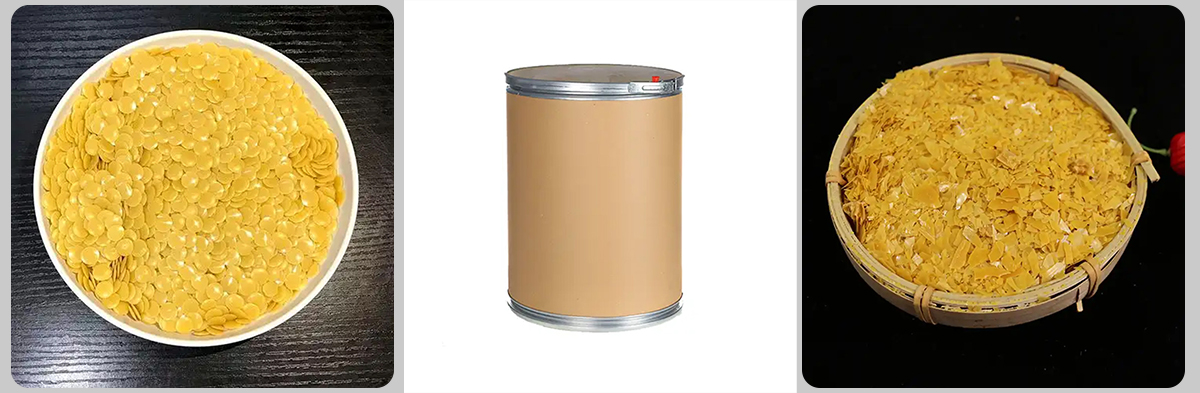
Carnauba wax Chemical Properties
| Melting point | 81-86 °C |
| density | 0.990-0.999 |
| refractive index | 1.45 |
| storage temp. | -20°C Freezer |
| solubility | Practically insoluble in water, soluble on heating in ethyl acetate and in xylene, practically insoluble in alcohol. |
| form | Powder or Flakes |
| color | Yellow |
| Specific Gravity | 0.990-0.999 |
| Odor | odorless |
| Water Solubility | Soluble in diethyl ether, alkali, chloroform. Slightly soluble in boiling ethanol. Insoluble in water. |
| Merck | 141846 |
| Dielectric constant | 2.9(Ambient) |
| Stability: | Stable. Incompatible with strong oxidizing agents. |
| CAS DataBase Reference | 8015-86-9 |
| EPA Substance Registry System | Carnauba wax (8015-86-9) |
| Safety Statements | 24/25 |
| WGK Germany | 3 |
| TSCA | Yes |
| HS Code | 15211000 |

Product Application of Carnauba Wax CAS#8015-86-9
Carnauba wax is widely used as a coating, polishing, and finishing agent in food, building materials, daily-use products, industrial applications, agriculture, and other fields. Specific applications include:
Food Applications: Carnauba wax is used as a polishing and glazing agent for chewing gum, soft and hard jelly candies, chocolates, and other confectionery products. It is also used in preserved fruits and as a food coating agent.
Building Materials: In floor waxes, Carnauba wax provides excellent polishing and brightening effects. In rubber products, it can enhance hardness and help prevent cracking caused by prolonged exposure to sunlight. It is particularly useful for floor coverings. In asphalt and floor joint materials, it can improve waterproofness and viscosity, while in roofing materials, it helps enhance waterproofness and durability.
Daily-Use Products: Carnauba wax is used in shoe polishes and remains an excellent polishing agent for both water- and oil-based formulations. It is also used in leather products for polishing and preservation, giving leather garments and handbags a glossy appearance. In addition, it can serve as a base material for leather polishes and leather care products. Carnauba wax is also used in carbon copy paper and printing inks.
Industrial Applications: Carnauba wax can be used to coat exposed aircraft components, providing lasting protection while reducing surface friction and potentially improving flight efficiency. In the chemical industry, it is used in various formulations and applications. It is also incorporated into synthetic waxes to produce durable, all-weather coatings for cars, trucks, buses, and trains. In the foundry industry, it is used in casting waxes and galvanizing processes.
Agricultural Applications: Studies on the effects of Carnauba wax on the growth and development of brown rot and soft rot pathogens, as well as their infection of nectarine and plum fruits, indicate that it can inhibit brown rot and soft rot to a certain extent.
Other Applications: Carnauba wax is also widely used in the production of soaps, lipsticks, ointments, candles, matches, coatings, paints, varnishes, plasters, artificial fruits, phonograph records, and other products.