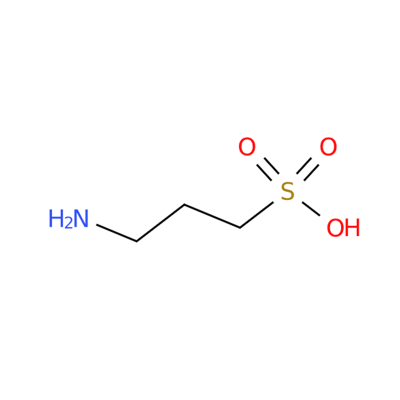
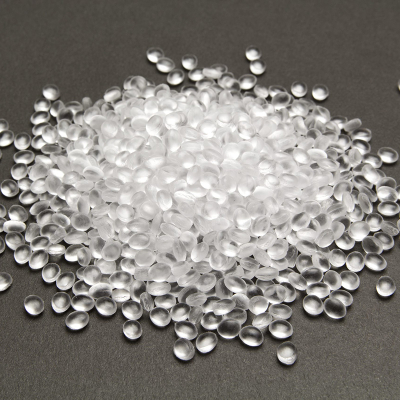
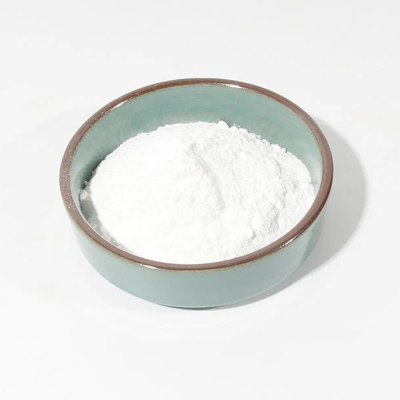
Poly(ethylene glycol) monomethyl ether acrylate is a white to off-white solid at room temperature and atmospheric pressure. It is a functionalized ethylene glycol polymer with a melting point of 6–7°C (lit.) and a density of 1.09 g/mL at 25°C (lit.). As a macromolecular monomer with a variable molecular weight and good water solubility, it is widely used in cement water reducers, biomedical material modification, and scientific research.

POLY(ETHYLENE GLYCOL) METHYL ETHER ACRYLATE Chemical Properties
| Melting point | 6-7 °C(lit.) |
| density | 1.09 g/mL at 25 °C(lit.) |
| Fp | >230 °F |
| storage temp. | -20°C |
| form | Granular Solid |
| color | White to off-white |
| Water Solubility | Soluble in water |
| EPA Substance Registry System | Poly(oxy-1,2-ethanediyl), .alpha.-(1-oxo-2-propenyl)-.omega.-methoxy- (32171-39-4) |
| Hazard Codes | T |
| Risk Statements | 45-46 |
| Safety Statements | 53-36/37/39-24/25-22-45 |
| WGK Germany | 3 |
| TSCA | Yes |
| HS Code | 39072090 |

Poly(ethylene glycol) monomethyl ether acrylate (mPEG-acrylate) possesses hydrophobic properties and high solubility, making it suitable for the preparation of core-shell structured microcapsules for sustained or controlled drug release. It can be used to develop highly biocompatible materials with significant applications in drug delivery, gene therapy, and tissue engineering.
mPEG-acrylate can also be used to modify material surfaces through methods such as copolymerization and cross-linking, helping alter their physicochemical properties and biocompatibility. In addition, it can be copolymerized with other monomers to synthesize polymers with specific functionalities, including antimicrobial activity, degradability, and photosensitivity, for applications in materials science and biomedical engineering.