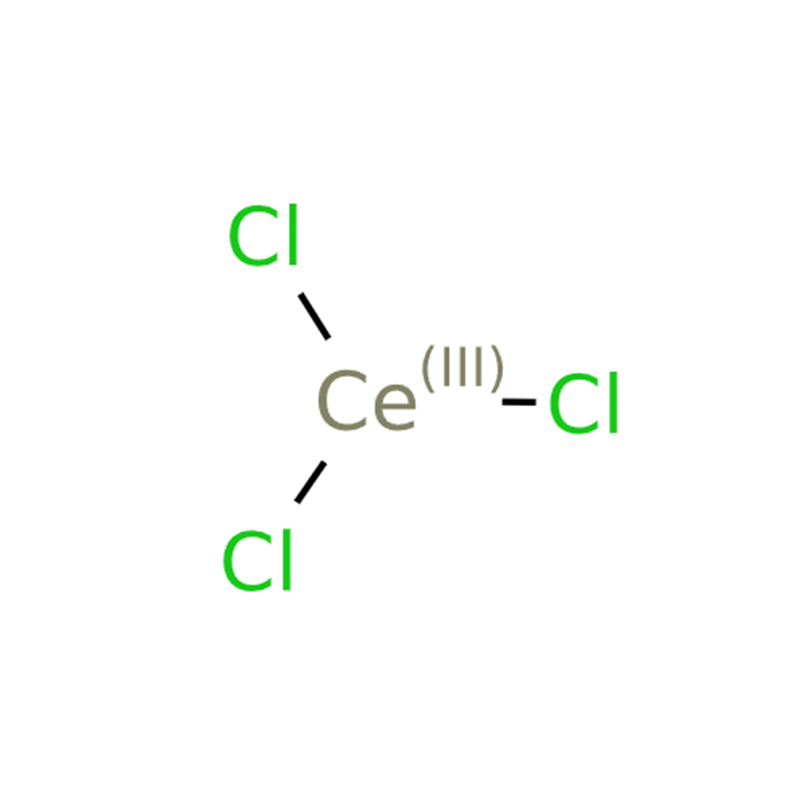
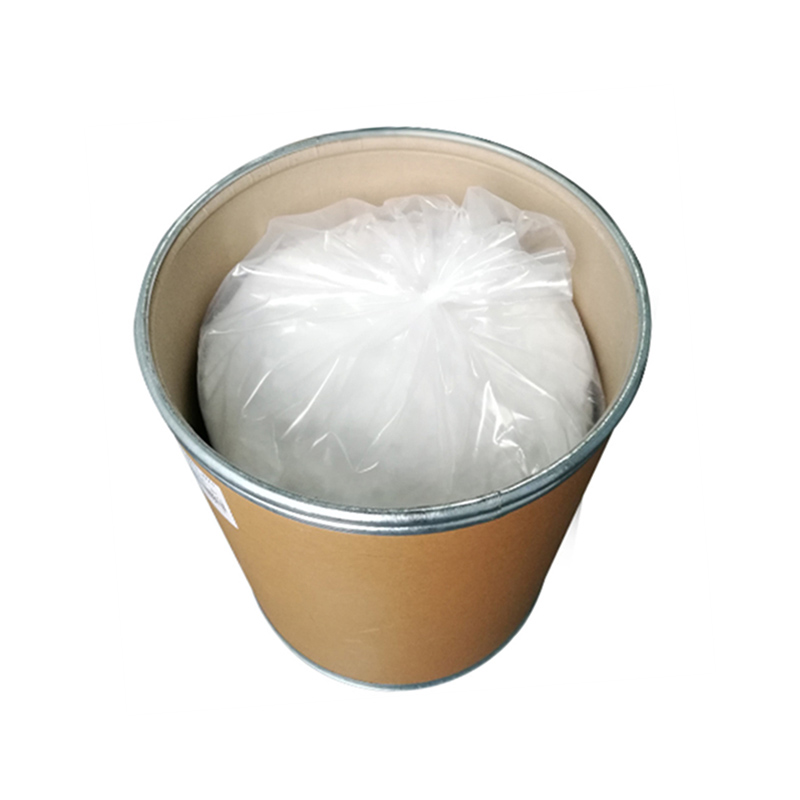
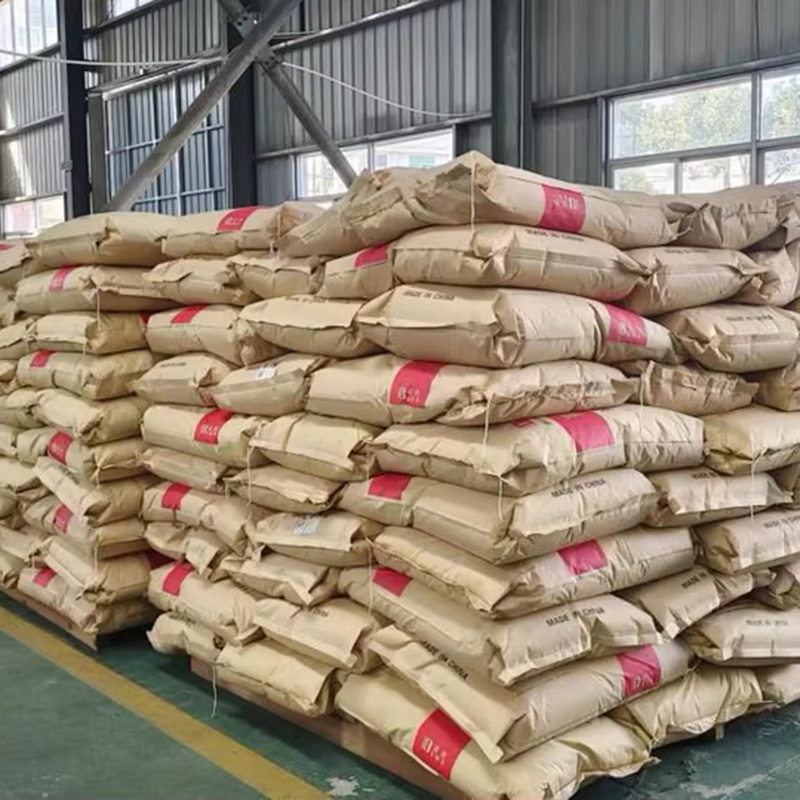
Products Description of Cerium(III) Chloride CAS#7790-86-5
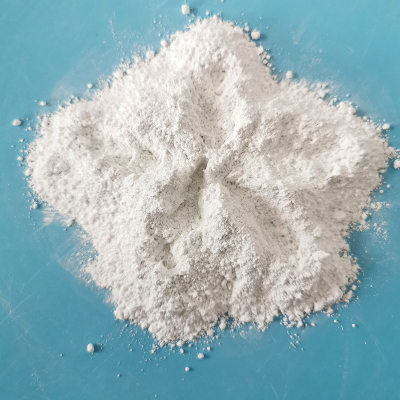
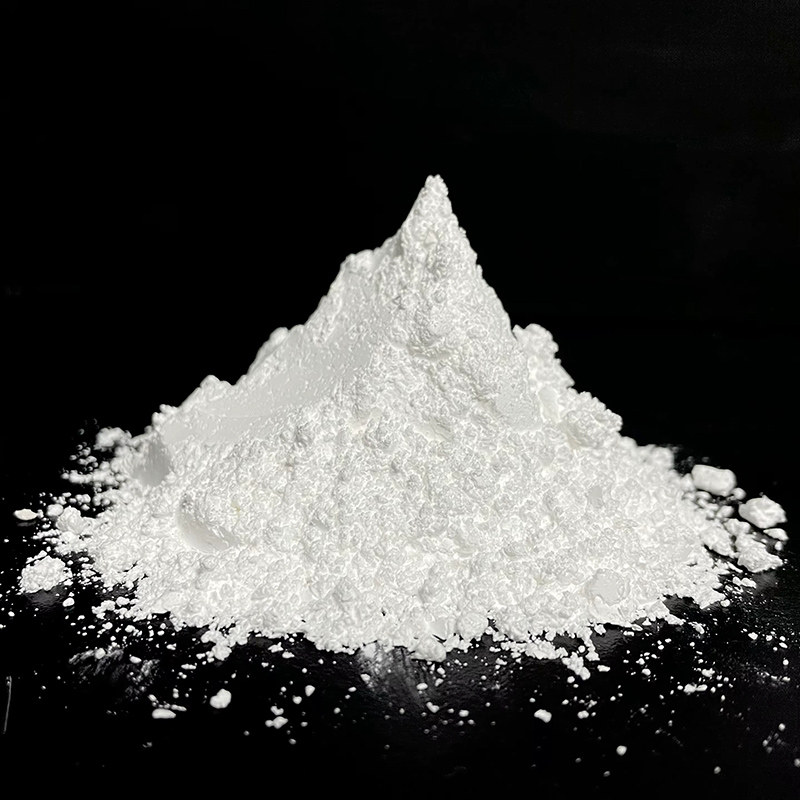
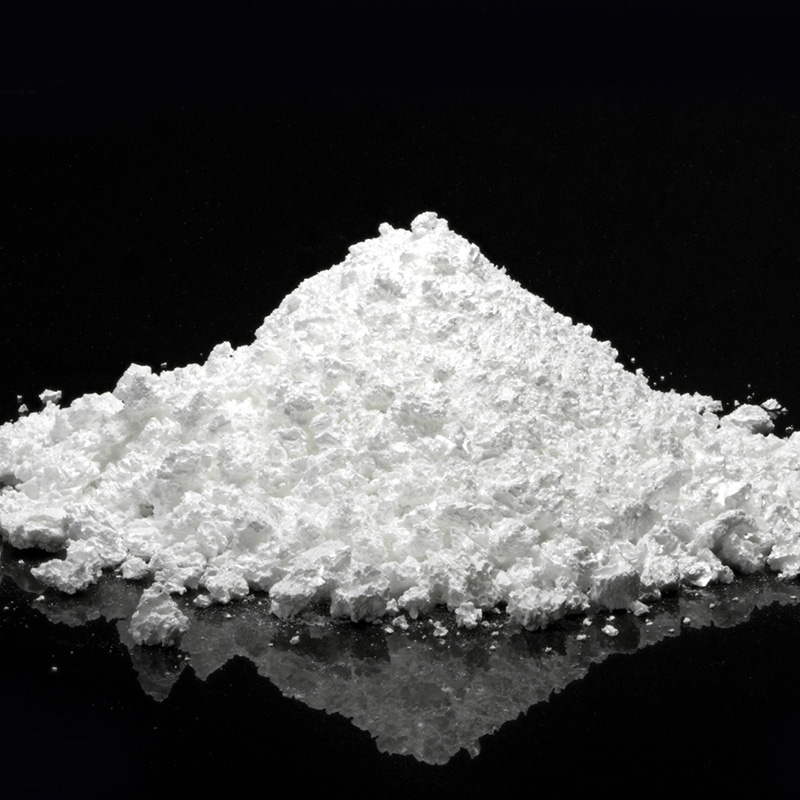
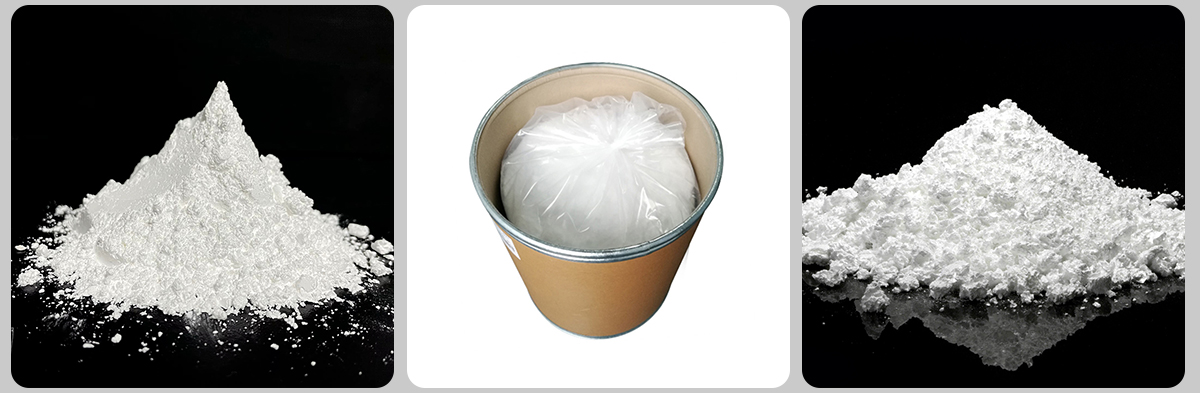
Cerium(III) chloride is a colorless, deliquescent block crystal or powder that may appear as white crystalline particles. When exposed to humid air, it rapidly absorbs moisture and forms hydrates with variable compositions.
Cerium(III) chloride is readily soluble in water, ethanol, and acetone, providing good solubility in both aqueous and commonly used organic solvent systems.
CERIUM(III) CHLORIDE Chemical Properties
| Melting point | 848 °C(lit.) |
| Boiling point | 1727 °C |
| density | 3.97 g/mL at 25 °C(lit.) |
| Fp | 1727°C |
| storage temp. | Inert atmosphere,Room Temperature |
| solubility | soluble in H2O, ethanol |
| form | beads |
| color | White to Pale Gray |
| Specific Gravity | 3.92 |
| Water Solubility | Soluble in water, ethanol, acids and acetone. |
| Sensitive | Hygroscopic |
| Merck | 141997 |
| Stability: | Stable. Hygroscopic. Incompatible with strong acids, strong oxidizing agents. |
| InChIKey | VYLVYHXQOHJDJL-UHFFFAOYSA-K |
| CAS DataBase Reference | 7790-86-5(CAS DataBase Reference) |
| EPA Substance Registry System | Cerium chloride (CeCl3) (7790-86-5) |
| Hazard Codes | Xi |
| Risk Statements | 36/37/38 |
| Safety Statements | 26-36 |
| RIDADR | UN 3260 8 / PGIII |
| WGK Germany | 2 |
| RTECS | FK5075000 |
| F | 46091 |
| TSCA | Yes |
| HS Code | 28461090 |
| Toxicity | LD50 in mice, guinea pigs (mg/kg): 352, 110 i.p. (Graca) |

Product Application of Cerium(III) Chloride CAS#7790-86-5
Cerium(III) chloride is widely used as a raw material for the preparation of cerium and other cerium salts. It is also used as a petroleum catalyst and as a Lewis acid in organic synthesis.
Cerium(III) chloride can serve as a precursor for the preparation of cerium trifluoromethanesulfonate, which functions as a Lewis acid in organic synthesis and is used in Friedel-Crafts acylation reactions. Cerium(III) chloride itself also acts as a Lewis acid and can be used in Friedel-Crafts alkylation reactions.
In addition, cerium(III) chloride heptahydrate can be used as a reagent in the Luche reduction reaction in combination with sodium borohydride. This reaction is a commonly used method for the reduction of α,β-unsaturated ketones in organic synthesis.