Pyrophosphoric acid CAS#2466-09-3
Strong Coordination Properties – Pyrophosphoric acid exhibits strong coordination capabilities and can react with various metal ions to form soluble complex ions, supporting its use in chemical and industrial applications.
Versatile Chemical Reactivity – Excess P₂O₇⁴⁻ can dissolve insoluble pyrophosphate salts of metals such as copper, silver, zinc, magnesium, calcium, and tin to form stable complex ions.
Useful Industrial Catalyst – Pyrophosphoric acid is used as a catalyst in industrial processes, including the preparation of organic phosphates, demonstrating its value in chemical synthesis.
Distinctive Thermal & Crystalline Properties – Pyrophosphoric acid exhibits different crystalline forms with characteristic melting points and remains stable at room temperature, providing flexibility for storage and processing under suitable conditions.
Products Description of Pyrophosphoric Acid CAS#2466-09-3
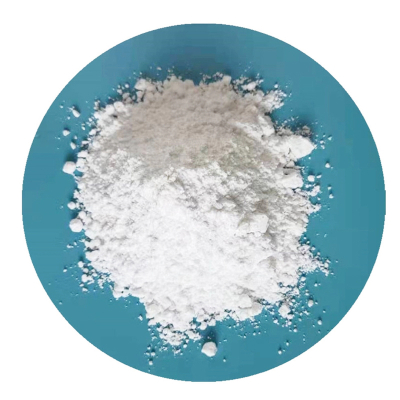
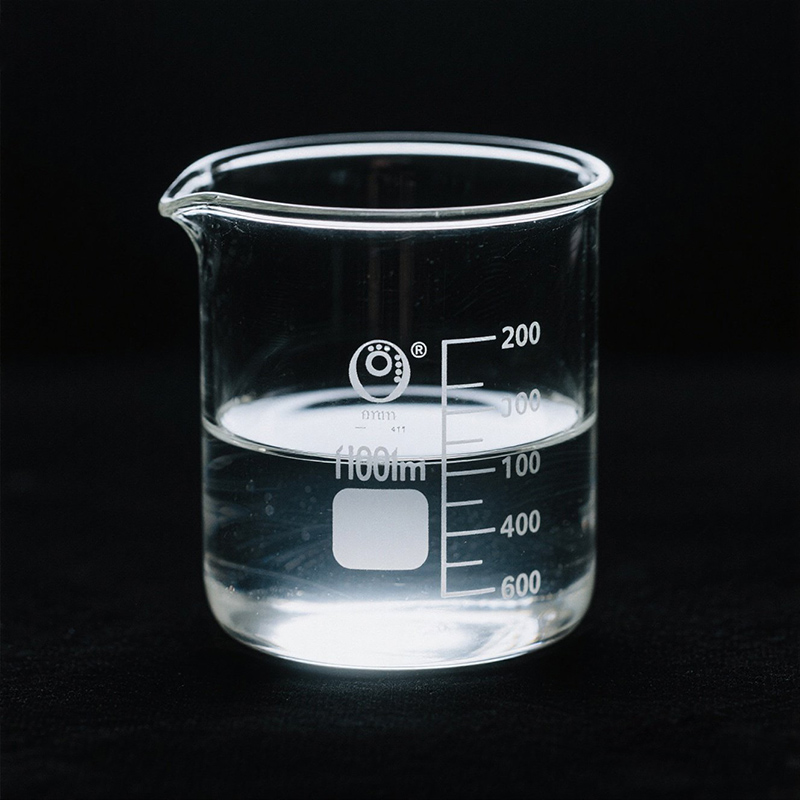
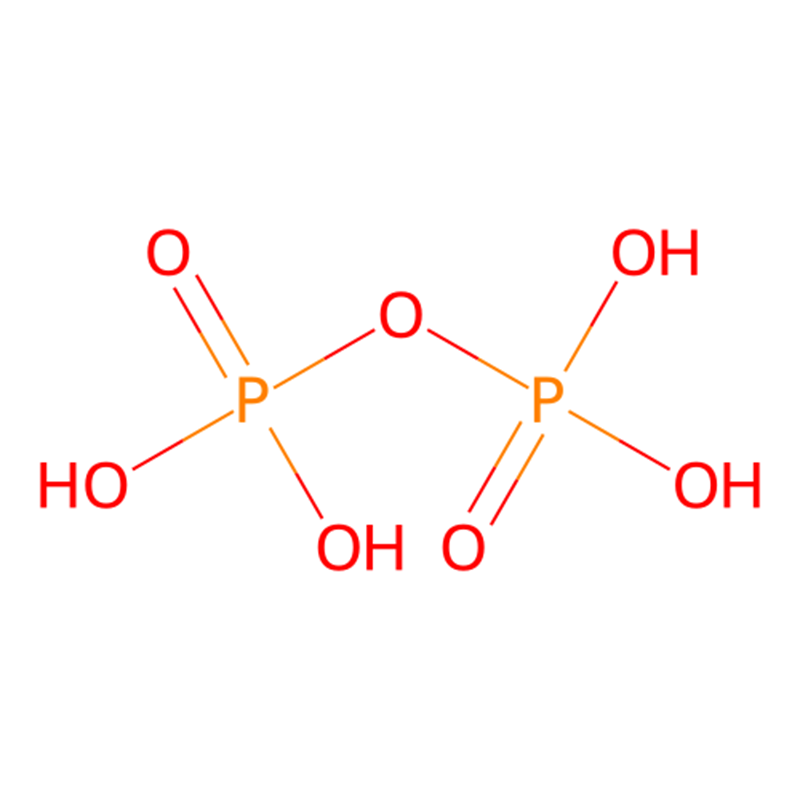
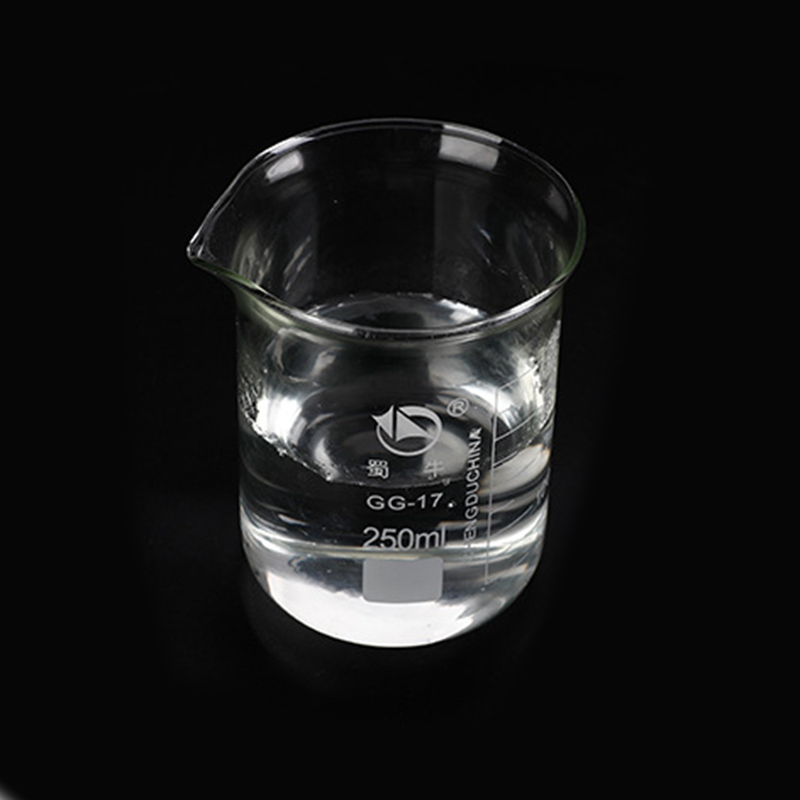
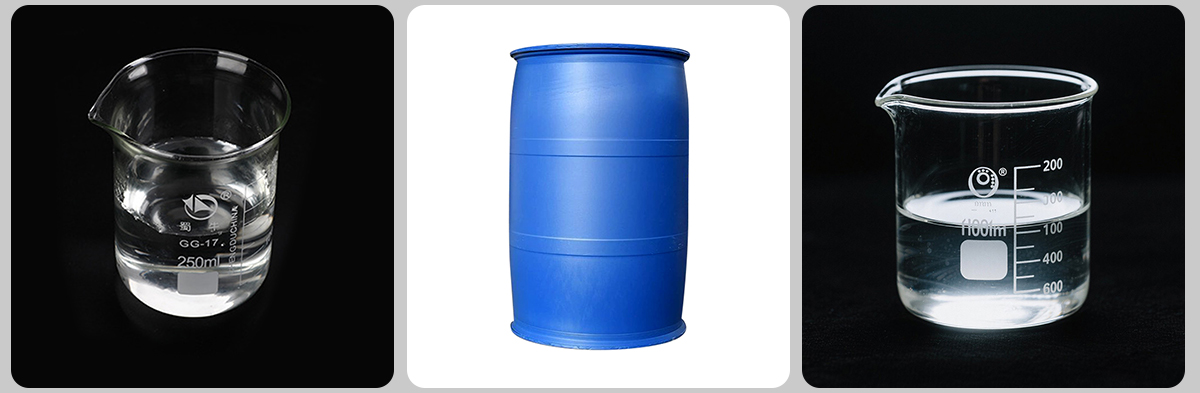
Pyrophosphoric acid is a colorless, needle-shaped crystalline substance or a colorless, viscous liquid. It can form crystals after prolonged storage and may appear as a colorless, glass-like substance. Pyrophosphate has strong coordination properties. Excess P₂O₇⁴⁻ can dissolve insoluble pyrophosphates of metal ions such as Cu²⁺, Ag⁺, Zn²⁺, Mg²⁺, Ca²⁺, and Sn²⁺, forming complex ions such as [Cu(P₂O₇)₂]⁶⁻ and [Sn(P₂O₇)₂]⁶⁻.
Pyrophosphoric acid is often used as an industrial catalyst for the preparation of organic phosphates and other compounds. When pyrophosphate reacts with silver salts, a white precipitate of silver pyrophosphate is formed. The conversion of P₂O₇⁴⁻ to PO₄³⁻ in solution occurs very slowly. This reaction can therefore be used to distinguish P₂O₇⁴⁻ from PO₄³⁻, as Ag₃PO₄ forms a yellow precipitate.
Pyrophosphoric acid is produced by heating orthophosphoric acid to approximately 210°C, resulting in the loss of water. It is soluble in ethanol and ether. The compound is corrosive and may cause burns. Solid crystalline pyrophosphoric acid is highly hygroscopic and soluble in water, ethanol, and ether.
When heated above its melting point, pyrophosphoric acid decomposes into liquid acids containing orthophosphoric acid, pyrophosphoric acid, trimetaphosphoric acid, polymetaphosphoric acid, and other components. Crystalline pyrophosphoric acid undergoes little decomposition in ice water but decomposes at elevated temperatures, with the proportion of orthophosphoric acid increasing.
The common solid crystalline form is Type I pyrophosphoric acid, which has a melting point of 54.3°C. When Type I crystals are heated at approximately 50°C in a closed tube for several hours, they transform into Type II pyrophosphoric acid, which has a melting point of 71.5°C. Type II pyrophosphoric acid is stable at room temperature.
Pyrophosphoric acid Chemical Properties
| Melting point | 61 °C |
| density | approximate 1.9g/ml (25℃) |
| storage temp. | -20°C, Hygroscopic |
| solubility | DMSO (Soluble) |
| pka | 0.99±0.10(Predicted) |
| form | white crystals |
| color | white crystals, crystalline |
| Water Solubility | 709g/100mL H2O (23°C); soluble alcohol, ether [MER06] |
| Merck | 138098 |
| Stability: | Hygroscopic, Moisture Sensitive |
| InChIKey | XPPKVPWEQAFLFU-UHFFFAOYSA-N |
| CAS DataBase Reference | 2466-09-3(CAS DataBase Reference) |
| EPA Substance Registry System | Diphosphoric acid (2466-09-3) |
| Hazard Codes | C |
| Risk Statements | 22-34 |
| Safety Statements | 26-36/37/39-45 |
| RIDADR | UN 3260 8/PG 2 |
| WGK Germany | 3 |
| RTECS | JL6672500 |
| F | 37885 |
| HazardClass | 8 |
| PackingGroup | III |
| HS Code | 28092000 |

Product Application of Pyrophosphoric Acid CAS#2466-09-3
Pyrophosphoric acid is used as a catalyst, concealing agent, metal refining agent, and stabilizer for organic peroxides. It is also used to adjust the pH value of electroplating solutions during the copper electroplating process.