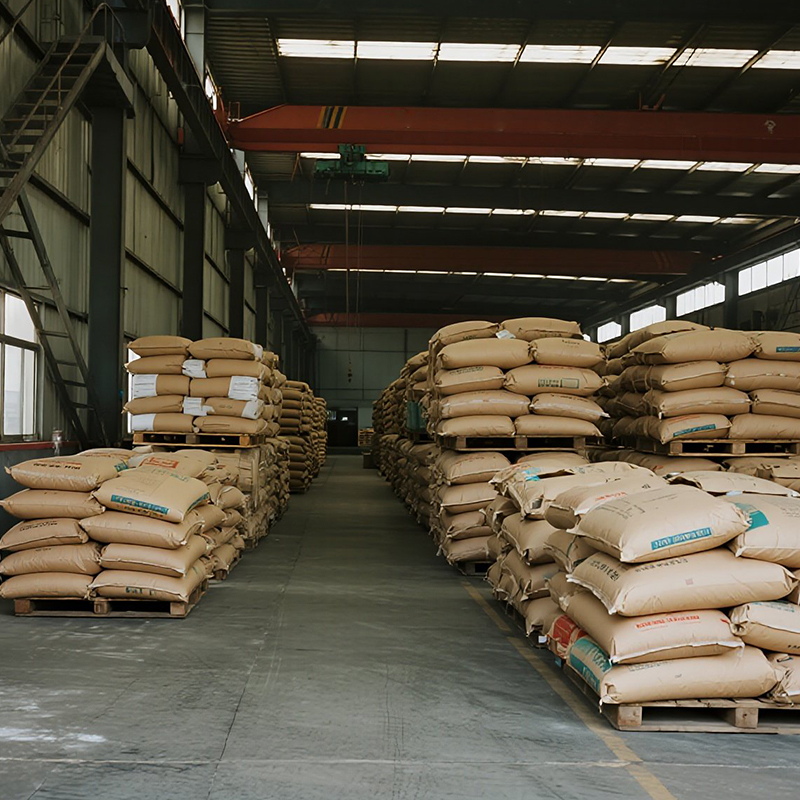
Thiourea dioxide CAS#1758-73-2
Stable Chemical Properties – Thiourea dioxide is a stable compound with neither oxidizing nor reducing properties under normal conditions.
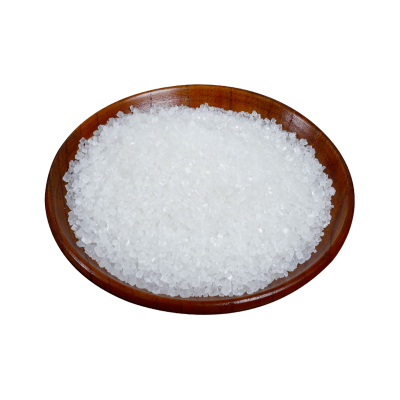
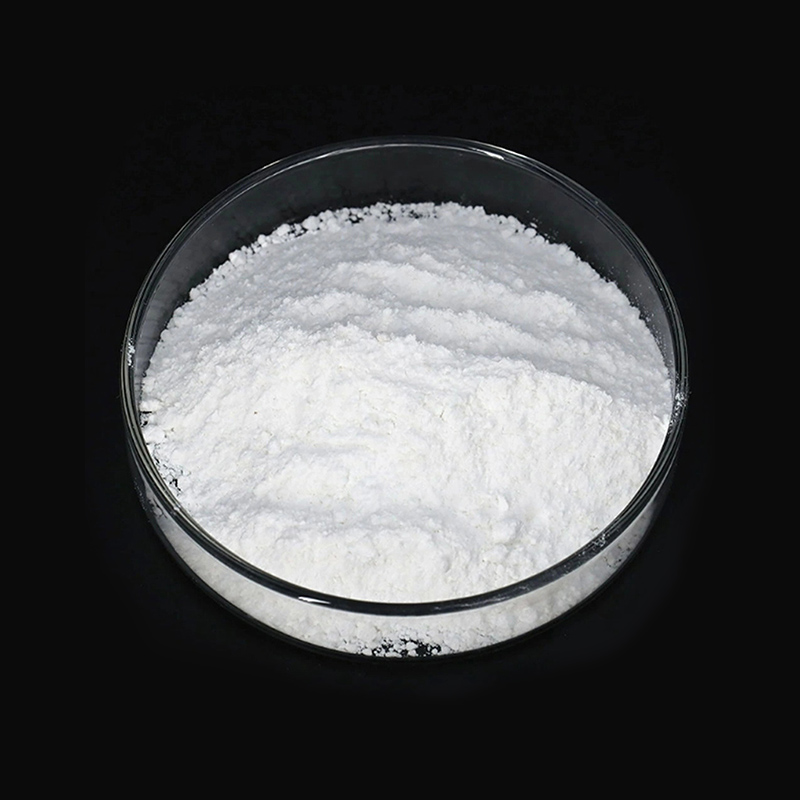
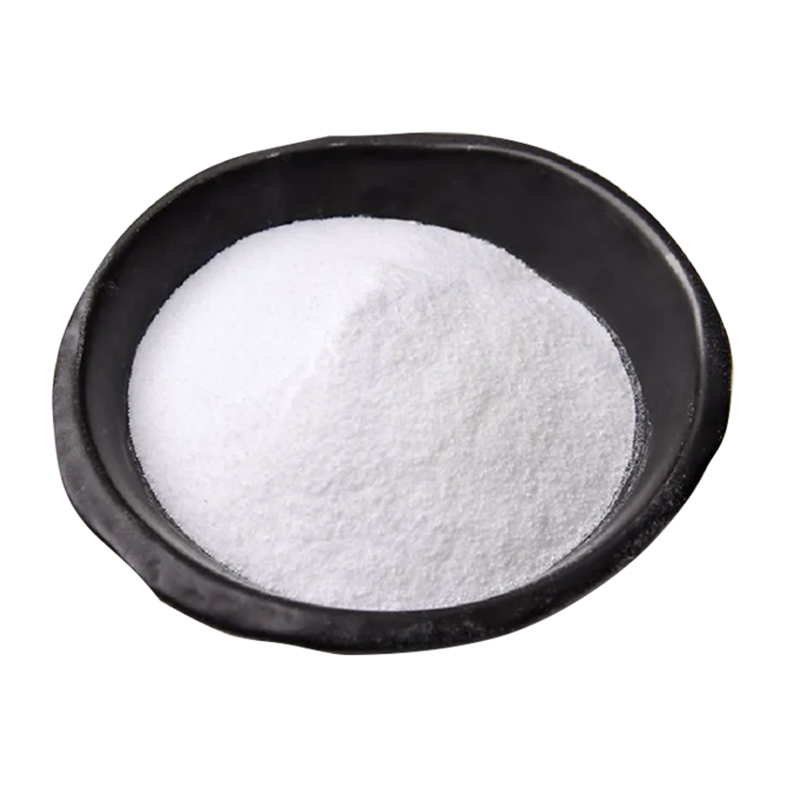
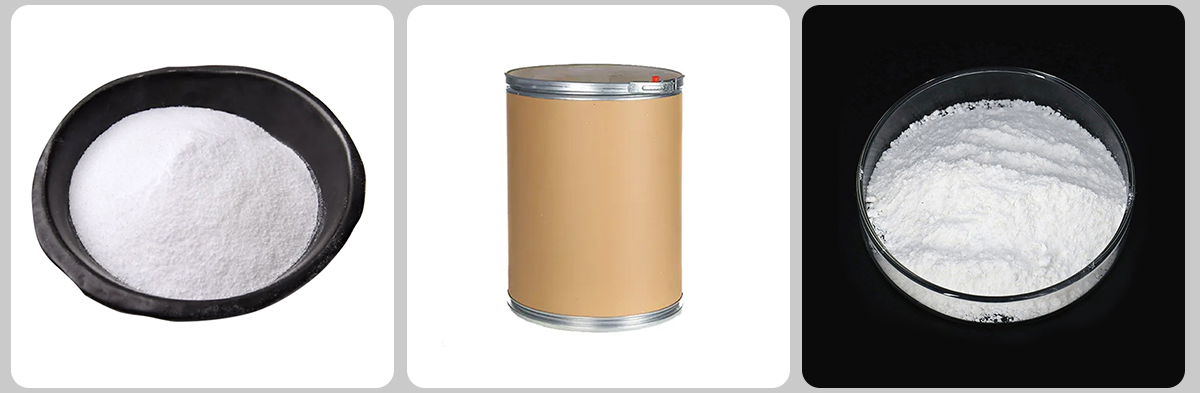
High Purity Appearance – It appears as odorless, colorless to white needle-shaped crystals or crystalline powder, with a relative molecular weight of 108.12 and a relative density of 1.4.
Specific Solubility Characteristics – Thiourea dioxide has a water solubility of approximately 2–3% at room temperature, is soluble in concentrated sulfuric acid, slightly soluble in acetic acid, and insoluble in most common organic solvents.
Defined Thermal Properties – It has a melting point of 126°C (decomposition) and remains stable under dry, low-temperature conditions, though it may decompose or discolor under elevated temperatures and humid conditions.
Products Description of Thiourea Dioxide CAS#1758-73-2
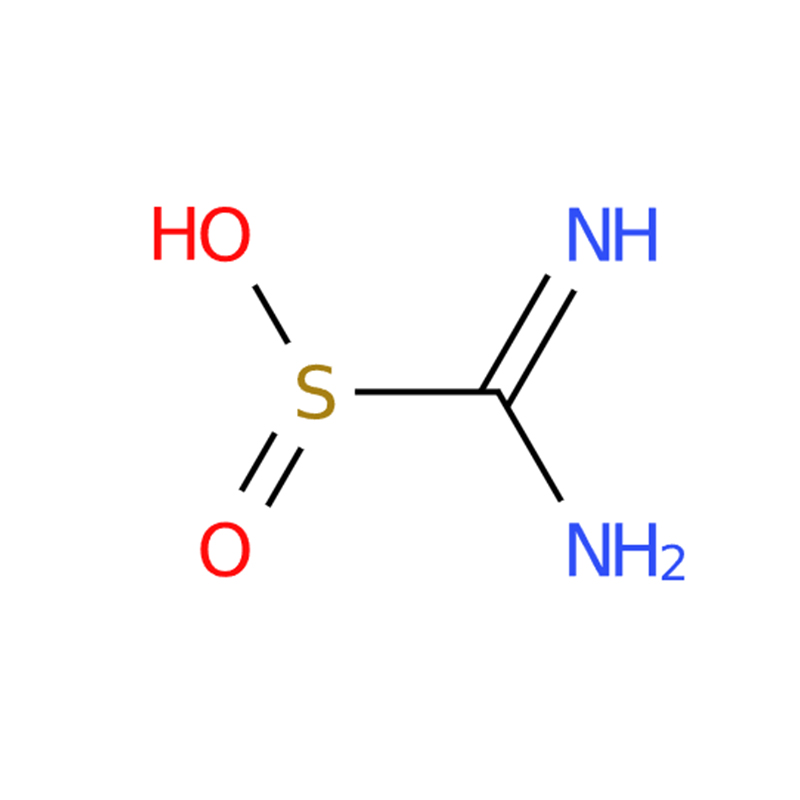
Thiourea dioxide, also known as carboxamidine sulfinic acid or aminoiminomethanesulfinic acid, is a stable compound with neither oxidizing nor reducing properties under the stated conditions. It can be obtained from ethanol as colorless to white needle-shaped crystals or crystalline powder and is odorless.
Thiourea dioxide has a relative molecular weight of 108.12 and a relative density of 1.4. Its melting point is 126°C (decomposition). At room temperature, its solubility in water is approximately 2–3%, and its aqueous solution is neutral or slightly alkaline.
The compound decomposes at 50–60°C or in alkaline solutions, releasing sulfinic acid and urea. It is soluble in concentrated sulfuric acid, slightly soluble in acetic acid, and insoluble in common organic solvents. Thiourea dioxide remains stable under dry, low-temperature conditions but may turn yellow and release heat when exposed to high temperatures and humidity. Precipitation may occur above 30°C. The oral LD50 in rats is 2,260 mg/kg.
Thiourea dioxide Chemical Properties
| Melting point | 124-127 °C (dec.)(lit.) |
| Boiling point | 355.3±25.0 °C(Predicted) |
| density | 1.68 |
| vapor pressure | 0Pa at 25℃ |
| refractive index | 1.6550 (estimate) |
| storage temp. | 2-8°C |
| solubility | 27g/l |
| pka | 2.40±0.10(Predicted) |
| form | Crystalline Powder |
| color | White |
| PH | 4 (10g/l, H2O, 20℃) |
| Water Solubility | 30 g/L (20 ºC) |
| Sensitive | Moisture Sensitive |
| BRN | 506653 |
| InChIKey | FYOWZTWVYZOZSI-UHFFFAOYSA-N |
| LogP | -3.37 at 25℃ |
| CAS DataBase Reference | 1758-73-2(CAS DataBase Reference) |
| EPA Substance Registry System | Methanesulfinic acid, aminoimino- (1758-73-2) |
| Hazard Codes | Xn,Xi |
| Risk Statements | 5-22-36/37/38 |
| Safety Statements | 26-24/25-36 |
| RIDADR | UN 3341 4.2/PG 2 |
| WGK Germany | 1 |
| RTECS | PB0372500 |
| TSCA | Yes |
| HazardClass | 4.2 |
| PackingGroup | II |
| HS Code | 29309070 |
Product Application of Thiourea Dioxide CAS#1758-73-2
Thiourea dioxide is widely used as a reducing agent in the printing and dyeing industry. Its applications include wool bleaching, dyeing with vat and sulfur dyes, use as a reducing agent in disperse dyeing, and discharge printing for color removal.
In organic synthesis, thiourea dioxide is used to reduce ketones, quinones, nitro compounds, azo compounds, azoxy compounds, sub-azo compounds, and organic sulfides. It is also used in various decolorizing agents, as a sensitizer for photographic emulsions, and as a chemical reagent for separating rare metals such as rhodium and iridium. In addition, it can improve the stability of polyethylene.
Adding thiourea dioxide during the evaporation and polymerization processes of polyacrylonitrile can improve the color of the resulting material. It is therefore an important auxiliary product in synthetic fiber manufacturing. Thiourea dioxide is also widely used in the production of fine chemicals, including pharmaceuticals and fragrances.