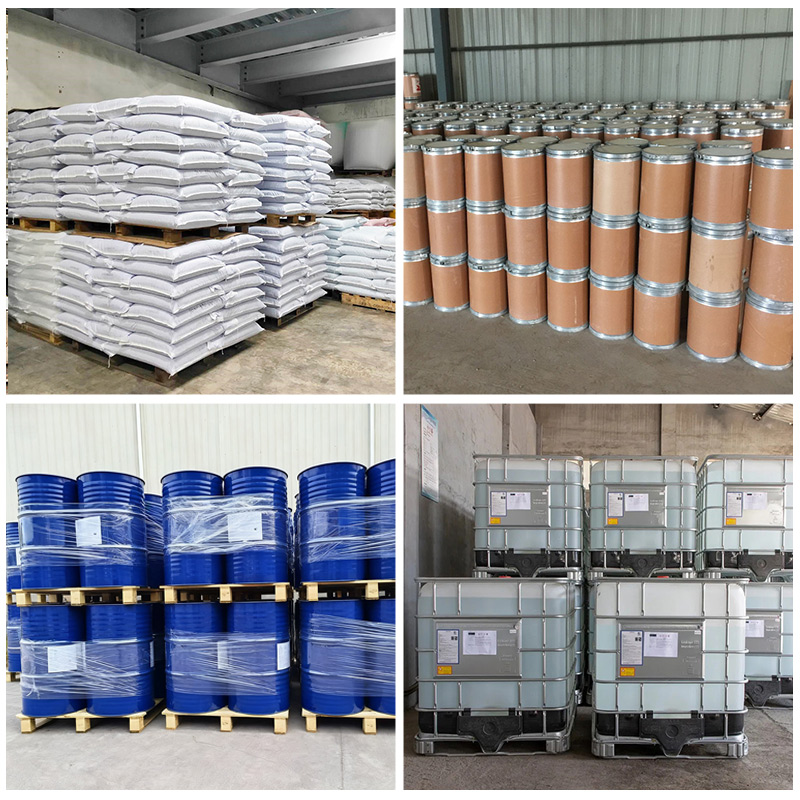
Products Description of Tetrachloroethylene CAS#127-18-4
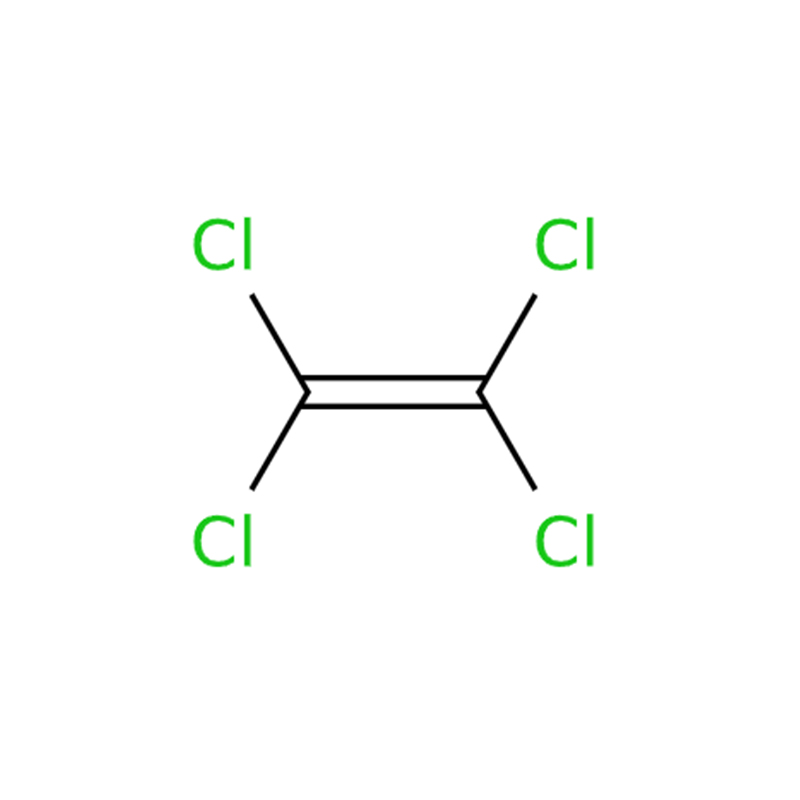
Tetrachloroethylene, also known as perchloroethylene, is a chlorinated ethylene compound in which all hydrogen atoms are replaced by chlorine atoms. It was first produced by Faraday in 1821 through the pyrolysis of hexachloroethane. Tetrachloroethylene is a colorless, transparent, non-flammable liquid with an ether-like odor.
Its relative molecular mass is 165.85, and its relative density is 1.6220. It has a melting point of -22.7°C and a boiling point of 121.2°C, with a boiling point of 33.2°C at 4.000 × 10³ Pa. Its refractive index is 1.5055, and its viscosity is 0.839 mPa·s at 20°C. The vapor pressure values are 5.466 × 10³ Pa at 40°C, 13.865 × 10³ Pa at 60°C, 30.131 × 10³ Pa at 80°C, and 58.128 × 10³ Pa at 100°C.
Tetrachloroethylene is insoluble in sugar, glycerol, and proteins, but has limited solubility in water, approximately 0.015 at 25°C. It is miscible with ethanol, ether, chloroform, benzene, and other chlorinated organic solvents. It does not undergo hydrolysis and remains highly stable at temperatures up to 500°C in the absence of air, moisture, and catalysts.
Tetrachloroethylene exhibits various chemical reactions. Hydrogenation produces tetrachloroethane, while chlorination yields hexachloroethane. It can also react with bromine to form monobromotrichloro or dibromodichloro compounds, and with hydrogen fluoride in the presence of a catalyst. Prolonged exposure to light, air, and water may cause gradual decomposition into trichloroacetaldehyde and phosgene, while also promoting corrosion of metals such as iron, aluminum, and zinc. Adding stabilizers can help inhibit this corrosion. In the presence of activated carbon, tetrachloroethylene decomposes into hexachlorobenzene and hexachloroethane when heated to 700°C. It can also be oxidized by strong oxidizing agents and react violently with barium powder, beryllium powder, lithium shavings, nitrogen tetroxide, and sodium hydroxide.
Tetrachloroethylene is toxic and acts as a central nervous system depressant. Exposure may cause headaches, nausea, vomiting, and, in severe cases, coma. Its oral LD50 in mice is 8,850 mg/kg, and the maximum allowable workplace concentration is 100 × 10⁻⁶.
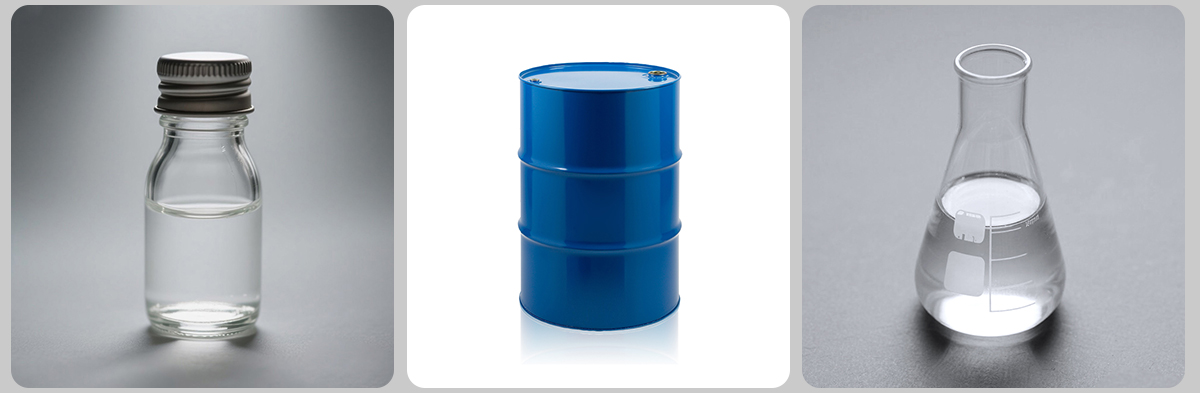
Tetrachloroethylene Chemical Properties
| Melting point | -22 °C (lit.) |
| Boiling point | 121 °C (lit.) |
| density | 1.623 g/mL at 25 °C (lit.) |
| vapor density | 5.83 (vs air) |
| vapor pressure | 13 mm Hg ( 20 °C) |
| refractive index | n20/D 1.505(lit.) |
| Fp | 120-121°C |
| storage temp. | Store at +2°C to +25°C. |
| solubility | water: soluble0.15g/L at 25°C |
| form | Liquid |
| color | APHA: ≤10 |
| Odor | chloroform-like odor |
| Odor Threshold | 0.77ppm |
| Water Solubility | Miscible with alcohol, ether, chloroform, benzene and hexane. Slightly miscible with water. |
| FreezingPoint | -22.0℃ |
| λmax | λ: 290 nm Amax: 1.00 |
| λ: 295 nm Amax: 0.30 | |
| λ: 300 nm Amax: ≤0.20 | |
| λ: 305 nm Amax: 0.10 | |
| λ: 350 nm Amax: 0.05 | |
| λ: 400 nm Amax: 0.03 | |
| Merck | 149190 |
| BRN | 1361721 |
| Henry's Law Constant | 4.97 at 1.8 °C, 15.5 at 21.6 °C, 34.2 at 40.0 °C, 47.0 at 50 °C, 68.9 at 60 °C, 117.0 at 70 °C (EPICS-GC, Shimotori and Arnold, 2003) |
| Exposure limits | TLV-TWA 50 ppm (~325 mg/m3) (ACGIH), 100 ppm (MSHA and OSHA); TLV-STEL 200 ppm (ACGIH); carcinogenicity: Animal Limited Evidence. |
| Dielectric constant | 2.5(21℃) |
| Stability: | Stable. Incompatible with strong oxidizing agents, alkali metals, aluminium, strong bases. |
| LogP | 2.53 at 20℃ |
| CAS DataBase Reference | 127-18-4(CAS DataBase Reference) |
| IARC | 2A (Vol. Sup 7, 63, 106) 2014 |
| NIST Chemistry Reference | Tetrachloroethylene(127-18-4) |
| EPA Substance Registry System | Tetrachloroethylene (127-18-4) |
| Hazard Codes | Xn,N,T,F |
| Risk Statements | 40-51/53-23/25-11-39/23/24/25-23/24/25 |
| Safety Statements | 23-36/37-61-45-24-16-7 |
| RIDADR | UN 1897 6.1/PG 3 |
| WGK Germany | 3 |
| RTECS | KX3850000 |
| Autoignition Temperature | 260℃ |
| TSCA | Yes |
| HazardClass | 6.1 |
| PackingGroup | III |
| HS Code | 29032300 |
| Hazardous Substances Data | 127-18-4(Hazardous Substances Data) |
| Toxicity | LD50 orally in mice: 8.85 g/kg (Dybing); LC for mice in air: 5925 ppm (Lazarew) |
| IDLA | 150 ppm |
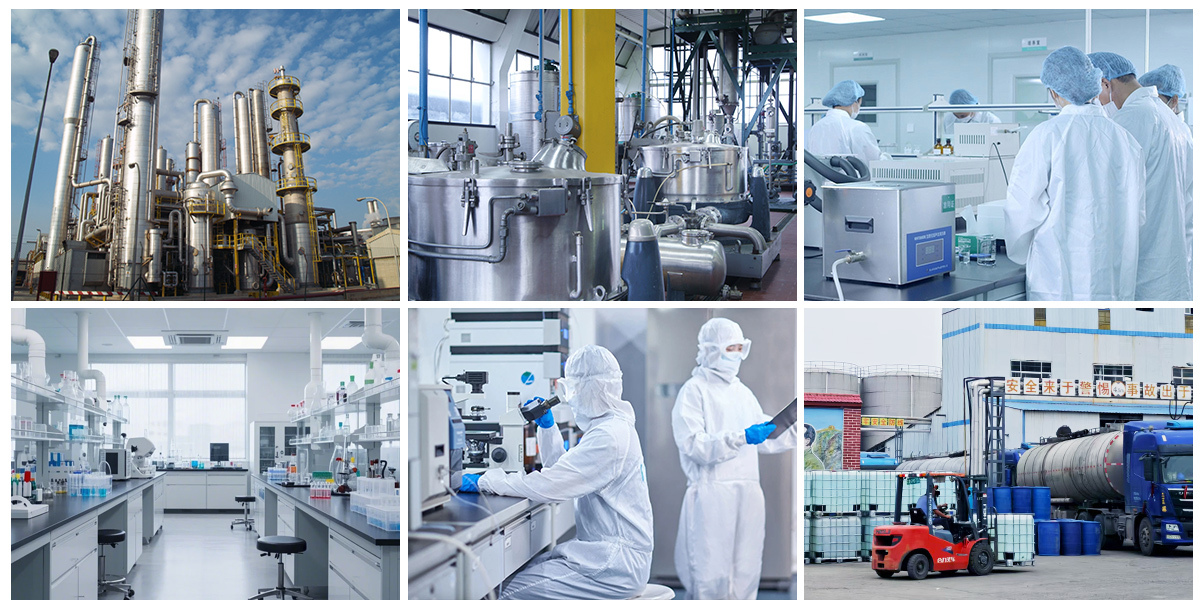
Product Application of Tetrachloroethylene CAS#127-18-4
Tetrachloroethylene is widely used in industry as a solvent, an organic synthesis reagent, a metal surface cleaner, a dry-cleaning agent, a desulfurizer, and a heat-transfer medium. In medicine, it has also been used as an anthelmintic. In addition, it serves as an intermediate in the production of trichloroethylene and fluorinated organic compounds.
Tetrachloroethylene has excellent solvency for various inorganic and organic substances, including sulfur, iodine, mercuric chloride, aluminum chloride, fats, rubber, and resins. These properties make it suitable for applications such as metal degreasing, paint removal, dry cleaning, rubber and ink solvents, liquid soap production, and the degreasing of high-quality fur and feathers. It is also used as a textile processing and finishing agent and has been applied as an anthelmintic against hookworms and gingerworms.
People may be exposed to low concentrations of tetrachloroethylene through environmental sources such as air, food, and drinking water.