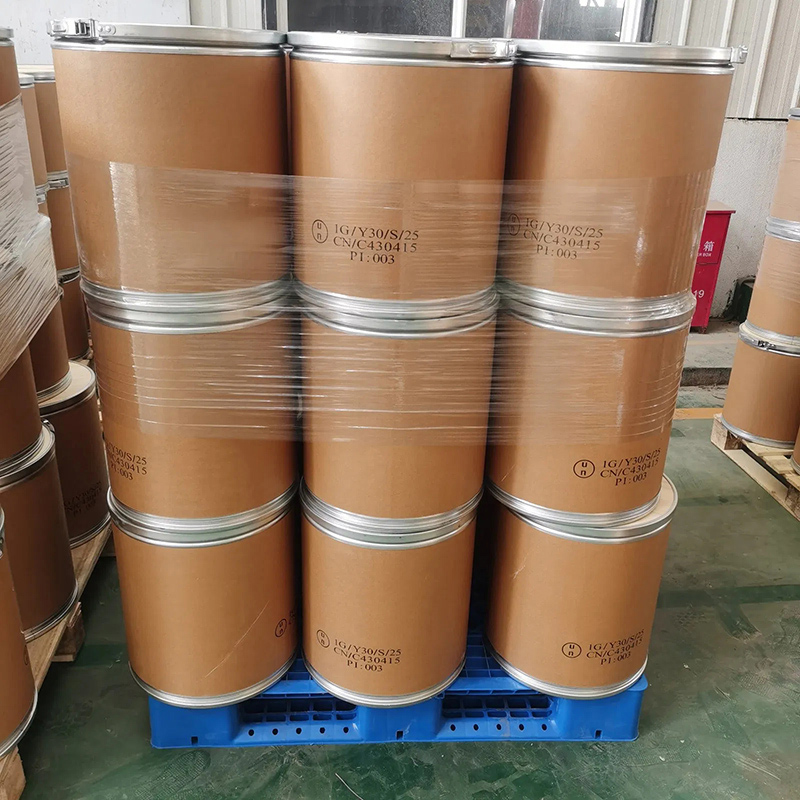
Products Description of Sodium Hydroxide CAS#1310-73-2
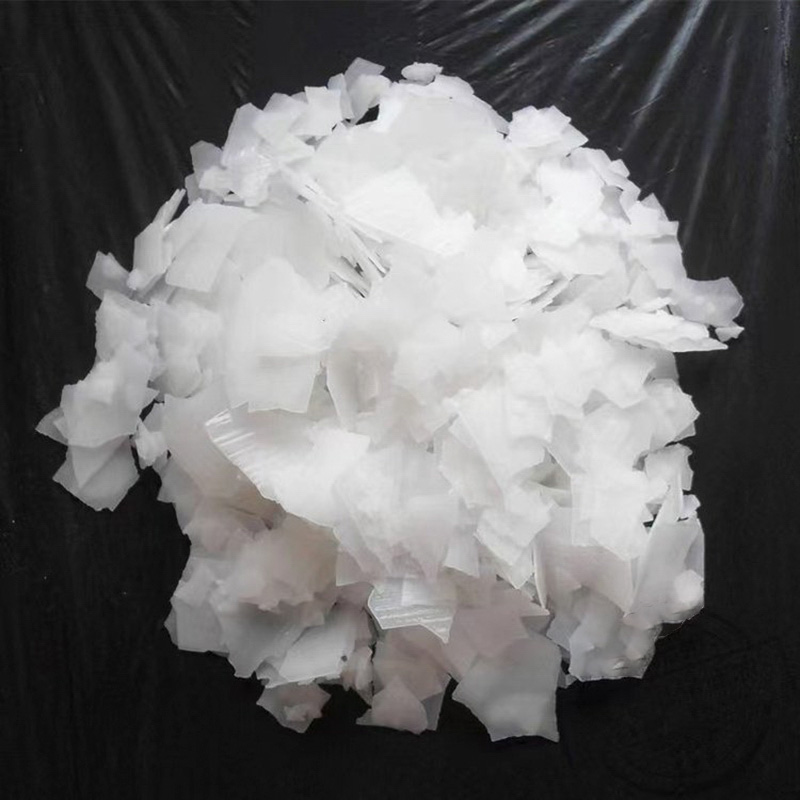
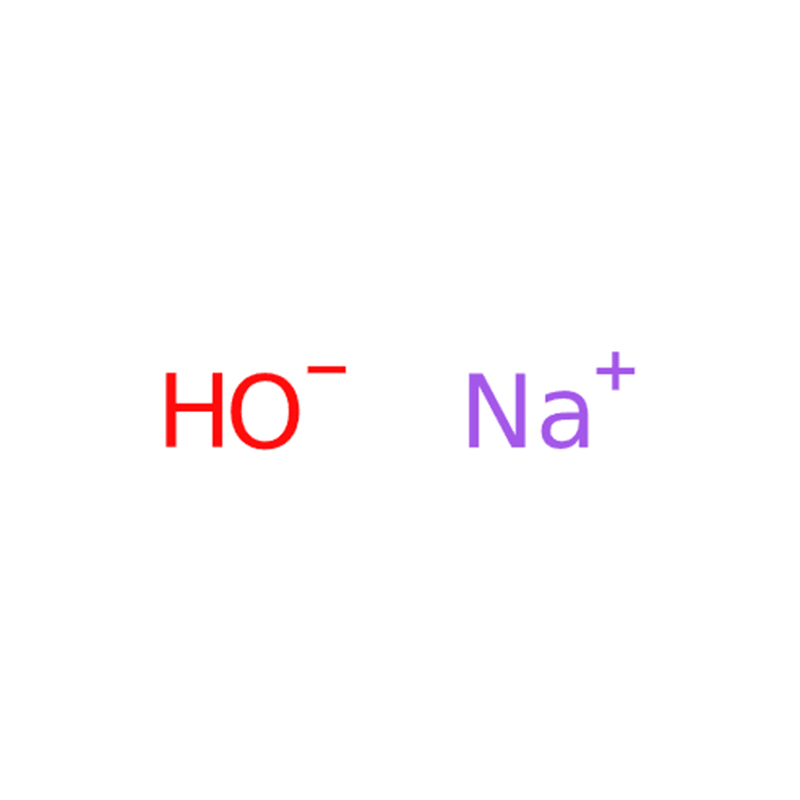
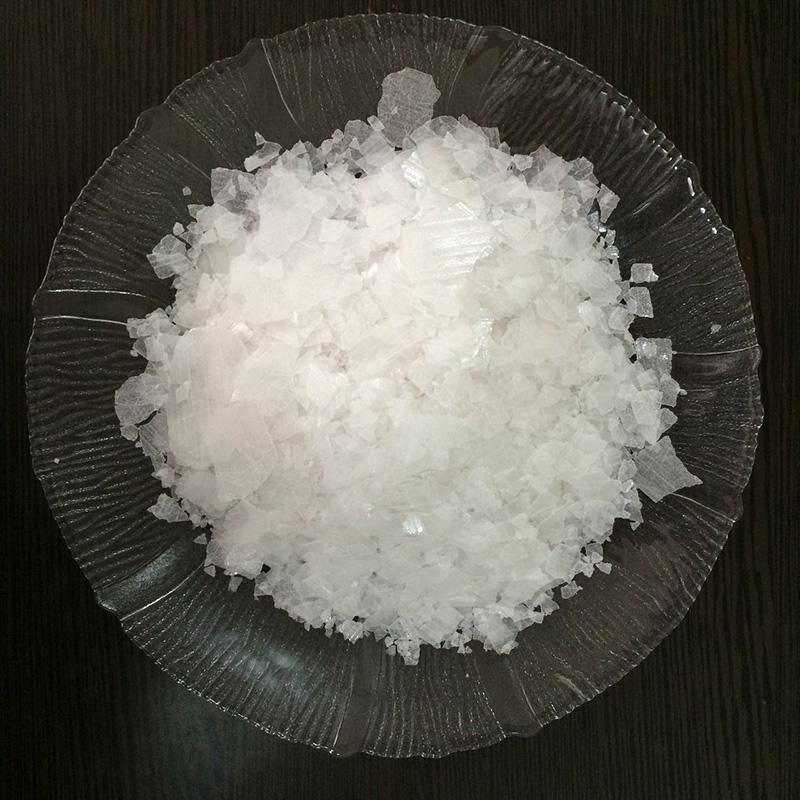
Sodium hydroxide, also known as caustic soda, has the chemical formula NaOH. It is a highly corrosive strong alkali that is typically available in the form of white flakes or granules. It is readily miscible with water to form an alkaline solution and is also soluble in methanol and ethanol.
Sodium hydroxide is a deliquescent alkaline substance that readily absorbs moisture from the air, as well as acidic gases such as carbon dioxide. As one of the most widely used basic chemicals, sodium hydroxide plays an essential role in many industrial processes. It is commonly used in the production of wood pulp and paper, textiles, soap, and various cleaning agents. It is also widely used in household alkaline drain cleaners.
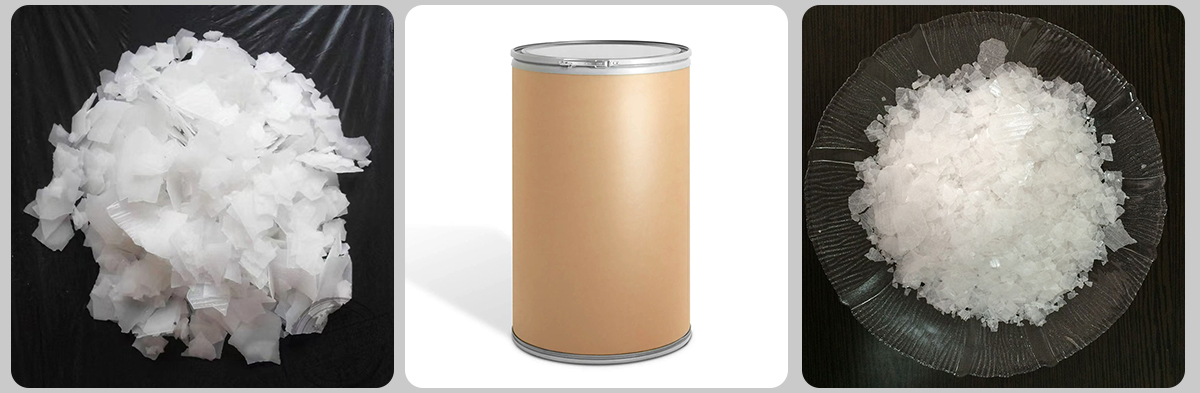
Sodium hydroxide Chemical Properties
| Melting point | 681 °C(lit.) |
| Boiling point | 1390°C |
| density | 1.515 g/mL at 20 °C |
| vapor density | <1 (vs air) |
| vapor pressure | 1 mm Hg ( 745 °C) |
| refractive index | 1,473-1,475 |
| Fp | 176-178°C |
| storage temp. | room temp |
| solubility | H2O: 1 M at 20 °C, clear, colorless |
| form | beads |
| color | White |
| Specific Gravity | 2.13 |
| Odor | Odorless |
| PH Range | 13 - 14 |
| PH | 10.98(1 mM solution);11.95(10 mM solution);12.88(100 mM solution); |
| Water Solubility | SOLUBLE |
| Sensitive | Air Sensitive & Hygroscopic |
| Decomposition | 176-178 ºC |
| λmax | λ: 260 nm Amax: 0.015 |
| λ: 280 nm Amax: 0.01 | |
| Merck | 148627 |
| Dielectric constant | 57.5(25℃) |
| Exposure limits | TLV-TWA air 2 mg/m3 (OSHA); ceiling 2 mg/m3 (ACGIH) and 2 mg/m3/15 min (NIOSH). |
| Stability: | hygroscopic |
| CAS DataBase Reference | 1310-73-2(CAS DataBase Reference) |
| NIST Chemistry Reference | Sodium hydroxide(1310-73-2) |
| EPA Substance Registry System | Sodium hydroxide (1310-73-2) |
| Hazard Codes | C,Xi |
| Risk Statements | 36/38-35-34 |
| Safety Statements | 26-45-37/39-24/25-36/37/39 |
| RIDADR | UN 1824 8/PG 2 |
| WGK Germany | 1 |
| RTECS | TT2975000 |
| F | 8 |
| TSCA | Yes |
| HS Code | 2815 11 00 |
| HazardClass | 8 |
| PackingGroup | II |
| Hazardous Substances Data | 1310-73-2(Hazardous Substances Data) |
| Toxicity | LD orally in rabbits: 500 mg/kg (10% soln) (Fazekas) |
| IDLA | 10 mg/m3 |

Product Application of Sodium Hydroxide CAS#1310-73-2
Sodium hydroxide has a wide range of applications. In chemical experiments, in addition to being used as a reagent, it can also serve as an alkaline drying agent due to its strong hygroscopicity. Sodium hydroxide is widely used throughout the national economy, and many industrial sectors rely on it. The chemical manufacturing industry is the largest consumer of sodium hydroxide, followed by papermaking, aluminum smelting, tungsten smelting, rayon and viscose production, and soap manufacturing.
Sodium hydroxide is also widely used in the production of dyes, plastics, pharmaceuticals, and organic intermediates, as well as in the regeneration of waste rubber, the production of metallic sodium through electrolysis, water electrolysis, and the manufacture of various inorganic salts. It is also used in the preparation of borax, chromium salts, manganates, phosphates, and other chemical products, which require significant quantities of sodium hydroxide.
In industry, sodium hydroxide is commonly known as caustic soda. The term reflects its highly corrosive nature: concentrated sodium hydroxide solutions can cause severe corrosion and burns when they come into contact with the skin. Sodium hydroxide can dissolve proteins and is therefore highly irritating and corrosive. Alkali burns caused by sodium hydroxide may be more difficult to heal than acid burns.