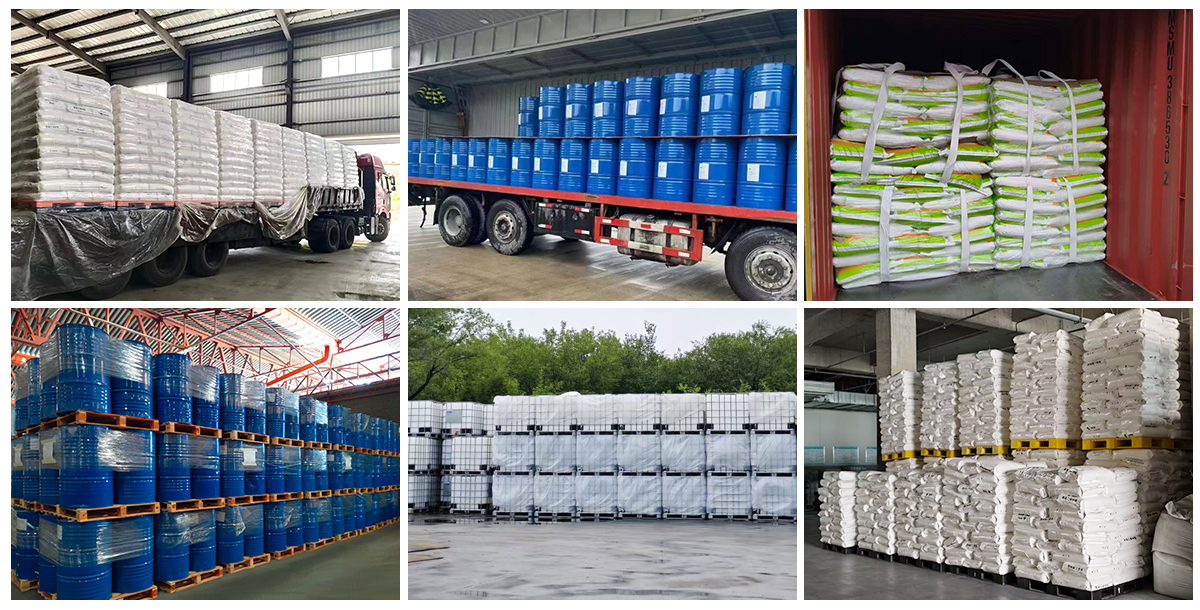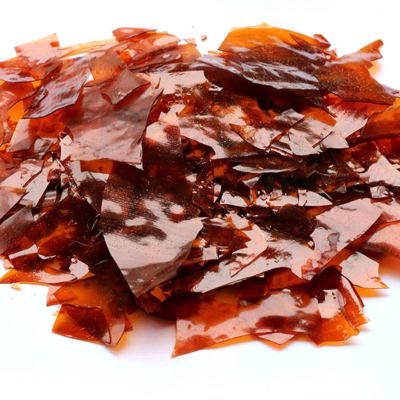
Liquid caustic soda Sodium hydroxide CAS#1310-73-2
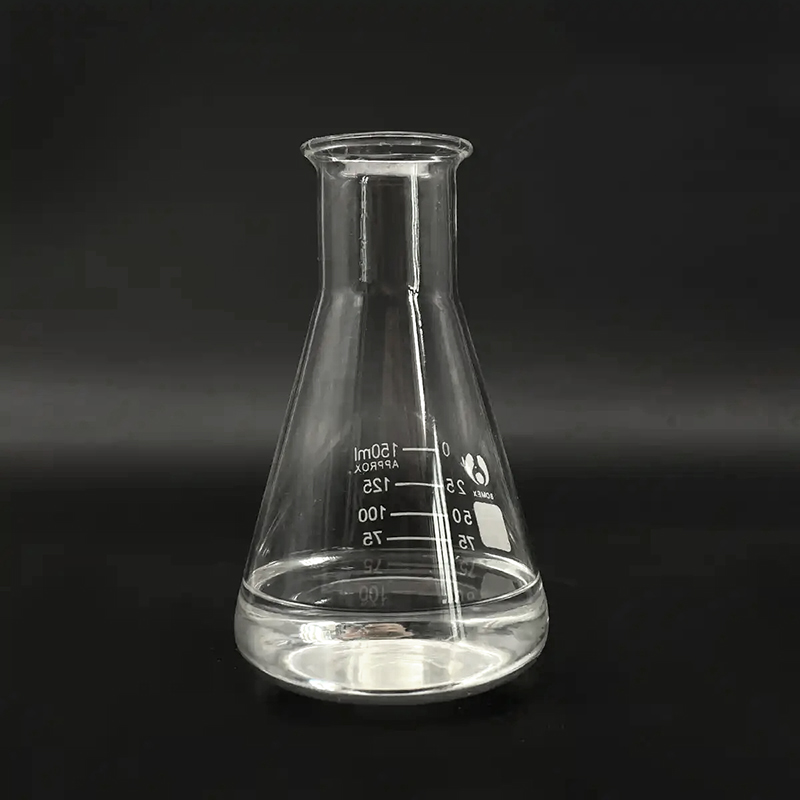
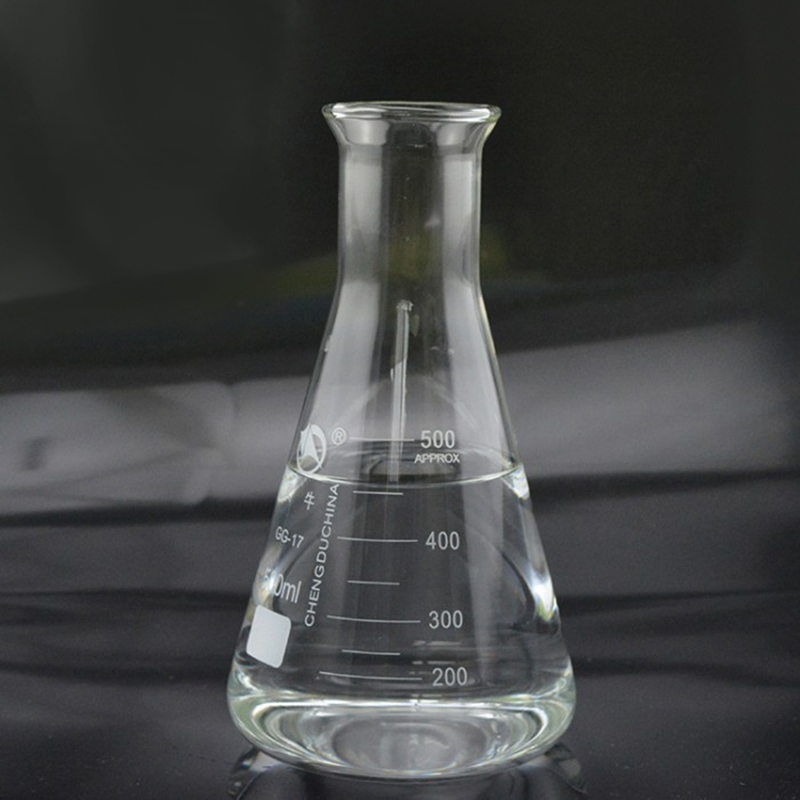
High Purity and Clear Appearance — Pure liquid caustic soda is a colorless and transparent liquid with well-defined physical properties.
Flexible Concentration Options — Available in 30–32%, 40–42%, and 50% concentrations to meet different application requirements.
Stable Physical Properties — Features a relative density of 1.328–1.349, a melting point of 318.4°C, and a boiling point of 1390°C.
Widely Used Industrial Alkali — As a strong inorganic alkaline substance, liquid caustic soda is widely used across various industrial processes.
Product Description of Liquid Caustic Soda
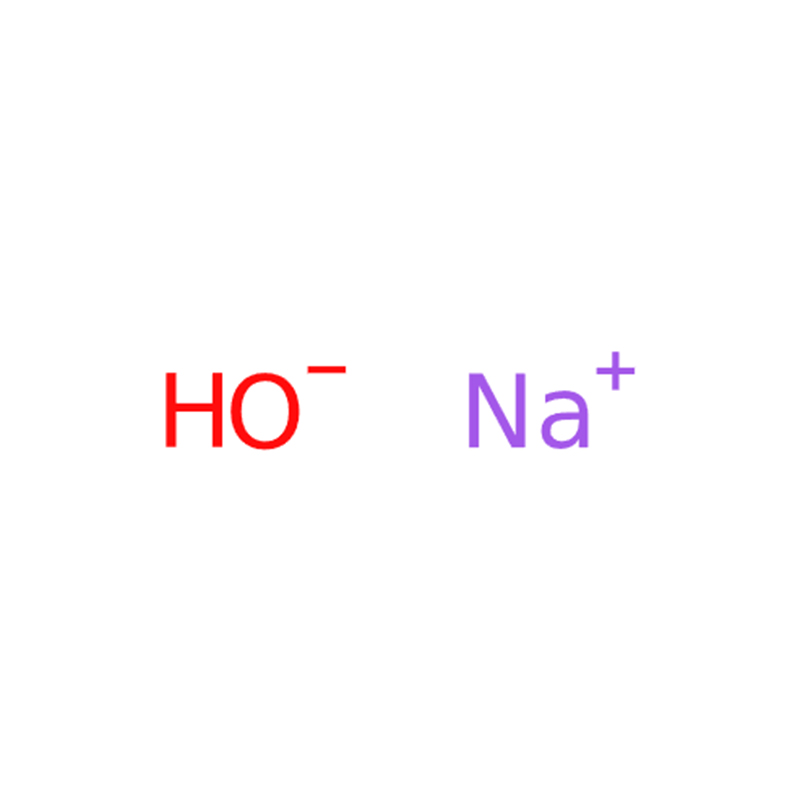
Liquid caustic soda is the liquid form of sodium hydroxide, with the chemical formula NaOH. Pure liquid caustic soda is a colorless and transparent liquid with a relative density of 1.328–1.349, a melting point of 318.4°C, and a boiling point of 1390°C.
Industrial-grade liquid caustic soda may contain impurities such as sodium chloride and sodium carbonate and is commonly available in concentrations of 30–32%, 40–42%, and 50%. Liquid caustic soda is classified as a Class I inorganic alkaline corrosive substance. Industrial products mainly contain sodium hydroxide along with sodium chloride and sodium carbonate, and may also contain small amounts of iron oxide.
Sodium hydroxide Chemical Properties
| Melting point | 681 °C(lit.) |
| Boiling point | 1390°C |
| density | 1.515 g/mL at 20 °C |
| vapor density | <1 (vs air) |
| vapor pressure | 1 mm Hg ( 745 °C) |
| refractive index | 1,473-1,475 |
| Fp | 176-178°C |
| storage temp. | room temp |
| solubility | H2O: 1 M at 20 °C, clear, colorless |
| form | beads |
| color | White |
| Specific Gravity | 2.13 |
| Odor | Odorless |
| PH Range | 13 - 14 |
| PH | 10.98(1 mM solution);11.95(10 mM solution);12.88(100 mM solution); |
| Water Solubility | SOLUBLE |
| Sensitive | Air Sensitive & Hygroscopic |
| Decomposition | 176-178 ºC |
| λmax | λ: 260 nm Amax: 0.015 |
| λ: 280 nm Amax: 0.01 | |
| Merck | 148627 |
| Dielectric constant | 57.5(25℃) |
| Exposure limits | TLV-TWA air 2 mg/m3 (OSHA); ceiling 2 mg/m3 (ACGIH) and 2 mg/m3/15 min (NIOSH). |
| Stability: | hygroscopic |
| CAS DataBase Reference | 1310-73-2(CAS DataBase Reference) |
| NIST Chemistry Reference | Sodium hydroxide(1310-73-2) |
| EPA Substance Registry System | Sodium hydroxide (1310-73-2) |
| Hazard Codes | C,Xi |
| Risk Statements | 36/38-35-34 |
| Safety Statements | 26-45-37/39-24/25-36/37/39 |
| RIDADR | UN 1824 8/PG 2 |
| WGK Germany | 1 |
| RTECS | TT2975000 |
| F | 8 |
| TSCA | Yes |
| HS Code | 2815 11 00 |
| HazardClass | 8 |
| PackingGroup | II |
| Hazardous Substances Data | 1310-73-2(Hazardous Substances Data) |
| Toxicity | LD orally in rabbits: 500 mg/kg (10% soln) (Fazekas) |
| IDLA | 10 mg/m3 |
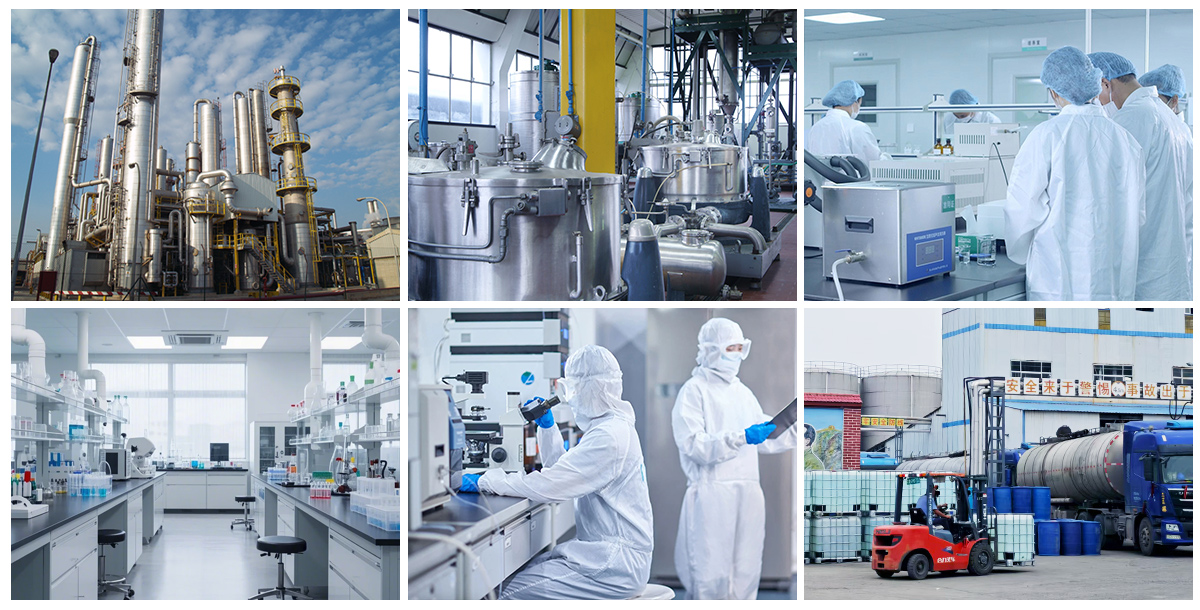
Product Application of Liquid Alkali
Liquid alkali is an important basic chemical raw material with a wide range of industrial applications. In the chemical industry, it is used in the production of formic acid, oxalic acid, borax, phenol, sodium cyanide, soap, synthetic fatty acids, and synthetic detergents.
In the textile printing and dyeing industry, liquid alkali is used as a desizing agent, scouring agent, and mercerizing agent, as well as a solvent for vat dyes and azuron blue dyes. In the metallurgical industry, it is used to produce aluminum hydroxide, alumina, and metal surface treatment agents.
In the instrument industry, liquid alkali is used as an acid neutralizer, decolorizing agent, and deodorizing agent. In the adhesive industry, it serves as a starch gelatinizing agent and neutralizing agent. In addition, liquid alkali is widely used in the enamel, pharmaceutical, cosmetic, leather, coating, pesticide, and glass industries.