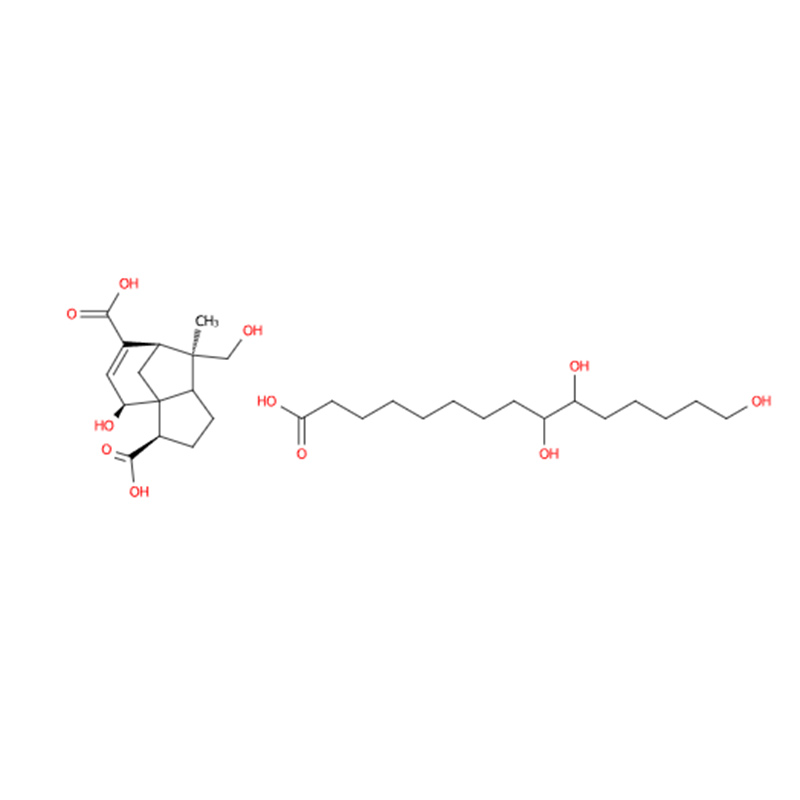
Products Description of Shellac CAS#9000-59-3
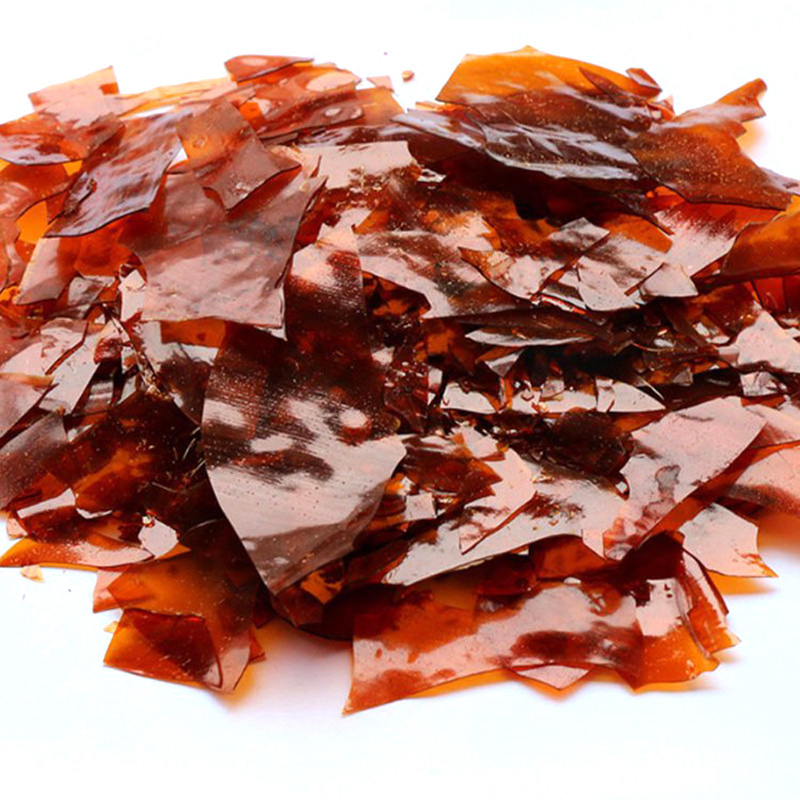
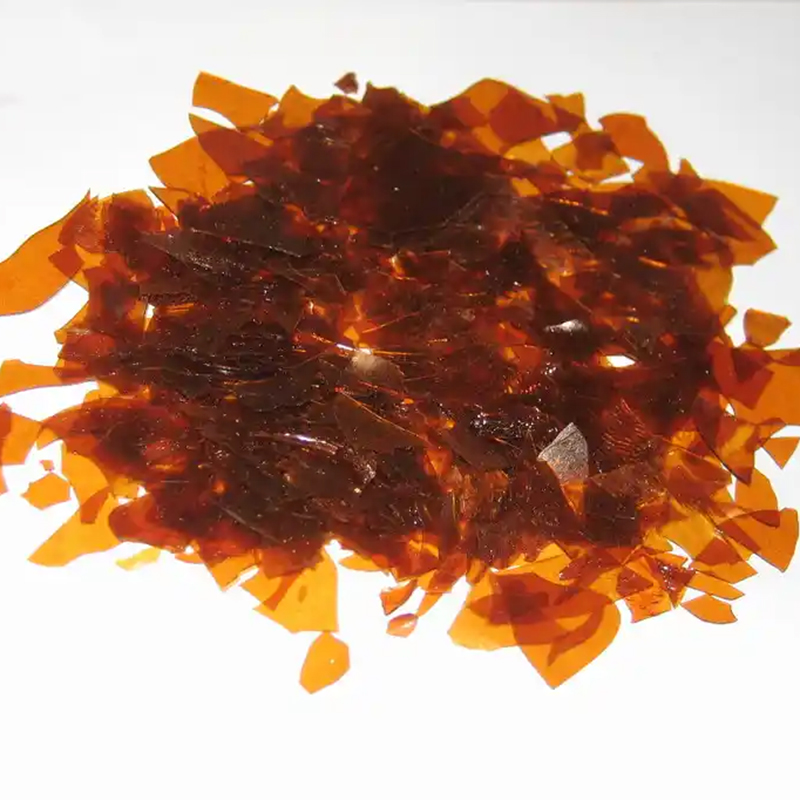
Shellac flakes, also known as shellac paint flakes or purple film flakes, are produced by melting raw shellac resin or dissolving it in solvents to remove impurities. The color intensity of the resulting shellac flakes can be adjusted according to different application requirements.
Shellac flakes are a bio-based coating material widely used for furniture and interior wood finishing. They are described as being free from pollutants, having a non-irritating odor, and being non-toxic and non-allergenic to the skin. As a high-end coating material, shellac can be applied over conventional paints and coatings to help prevent formaldehyde gas from escaping and reduce direct contact between potentially harmful substances and human skin.
In China, shellac flakes are mainly used for glazing and primer varnishing of wooden furniture. However, with the development of new coating varieties and improvements in coating quality in recent years, demand for shellac has declined. In addition, the international market has weakened, and export conditions have become less favorable, resulting in a decline in the price of shellac flakes.
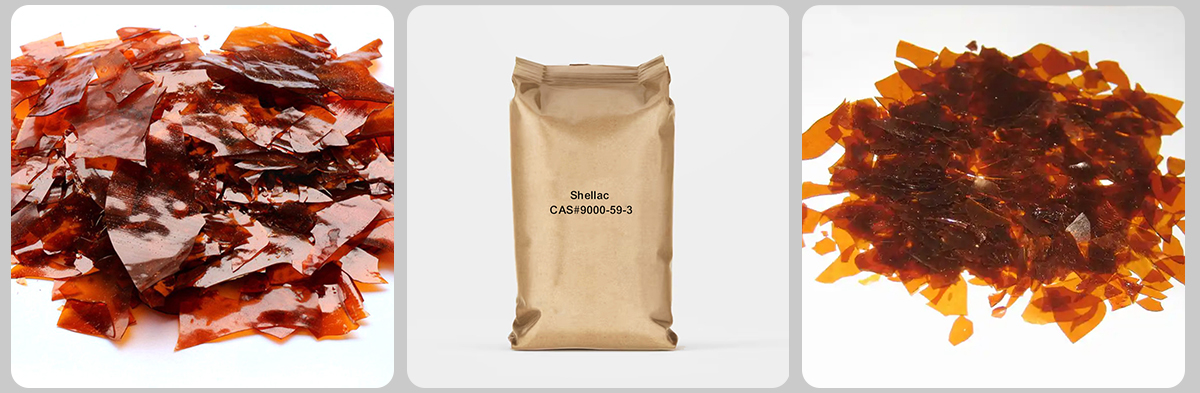
Shellac Chemical Properties
| Melting point | 115-120° |
| density | 1.035-1.140 |
| storage temp. | 2-8°C |
| solubility | Practically insoluble in water, gives a more or less opalescent solution (wax containing shellac and bleached shellac) or a clear solution (dewaxed shellac and bleached, dewaxed shellac) in anhydrous ethanol. When warmed it is sparingly soluble or soluble in alkaline solutions. |
| Odor | mild woody |
| Dielectric constant | 2.0(Ambient) |
| Stability: | Stable. Incompatible with strong oxidizing agents. |
| CAS DataBase Reference | 9000-59-3 |
| EPA Substance Registry System | Shellac (9000-59-3) |
| WGK Germany | 3 |
| HS Code | 1301900190 |

Product Application of Shellac CAS#9000-59-3
Since the main component of shellac flakes is shellac resin, they exhibit strong adhesion to smooth surfaces such as glass, metal, and mica. Their alcohol or alkaline solutions can adhere well to the surfaces of various materials and form smooth, bright, and durable films. Shellac is non-toxic and can therefore be widely used in the food, pharmaceutical, military, electrical, ink, leather, metallurgy, machinery, woodworking, rubber, and other industries.
Wood Industry: Shellac flakes have long been widely used in the woodworking industry. They are easy to apply and offer strong adhesion, fast drying, a smooth and hard finish, transparency, elasticity, and uniform gloss. They also provide good isolation and sealing effects against wood secretions, aniline dyes, and asphalt. In recent years, concerns regarding the potential toxicity of formaldehyde-based coating agents have led many high-end wood products and decorative applications to adopt shellac coatings.
Food Industry: Shellac is used as a coating for fruit preservation, where it can form a bright protective film, extend the shelf life of fruits, and enhance their commercial value. It is also used to coat candies and cakes to improve gloss and prevent moisture absorption. In addition, shellac can be applied to the inner walls of metal cans to help prevent direct contact between food and metal surfaces.
Leather Industry: Shellac is used as a brightening and protective finishing agent for leather. It dries quickly and provides strong filling performance, allowing it to adhere firmly to leather while helping maintain softness and elasticity and providing an attractive gloss.
Military Industry: Shellac is mainly used as a finishing agent, insulating material, and retardant for gunpowder mixtures. It is also used in the manufacture of military equipment requiring ultraviolet and radiation resistance.
Electrical Industry: Shellac is used to manufacture insulating cardboard, laminated mica boards, electrical insulators, insulating varnishes, light bulbs, fluorescent lamps, and welding materials for electron tubes.
Rubber Industry: Shellac is primarily used as a surface coating or filler for rubber products. It can enhance the appearance of rubber products and improve their wear resistance, oil resistance, acid resistance, water resistance, and insulation properties. It also helps slow aging, extend service life, and improve the physical and mechanical properties of rubber, including strength, tensile resistance, and tear resistance.
Paper Industry: In papermaking, shellac is used to manufacture insulating paper and industrial packaging paper. It is also used as a decorative and protective finishing agent for coated paper, food packaging paper, lampshade paper, and other paper products.
Other Applications: Shellac is also used as an adhesive and finishing material in medical equipment, matches, toothpicks, barrel making, hat making, mirror manufacturing, sporting goods, sculpture, jewelry processing, and other applications.