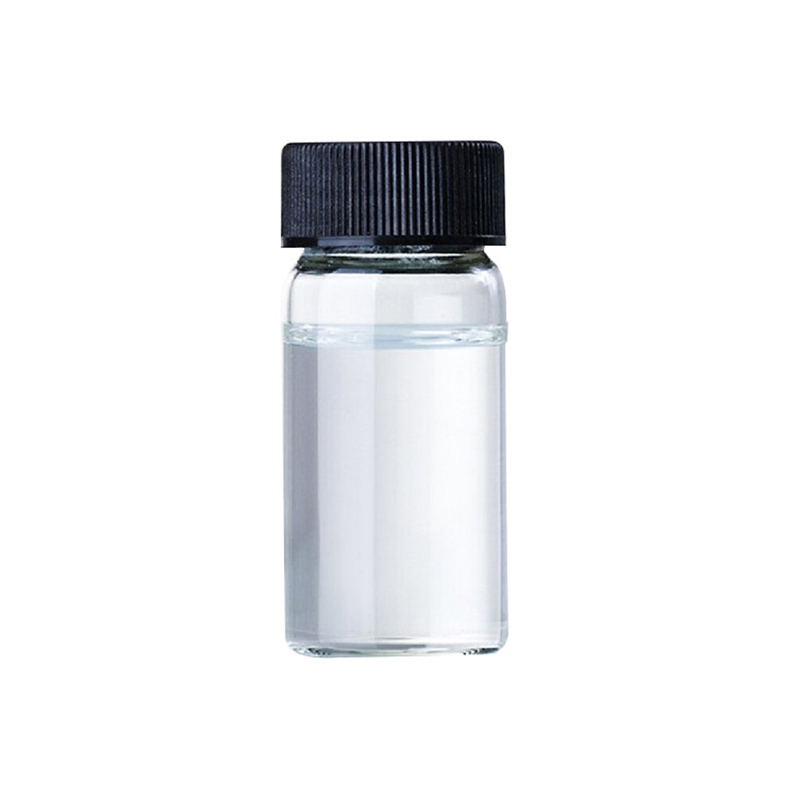
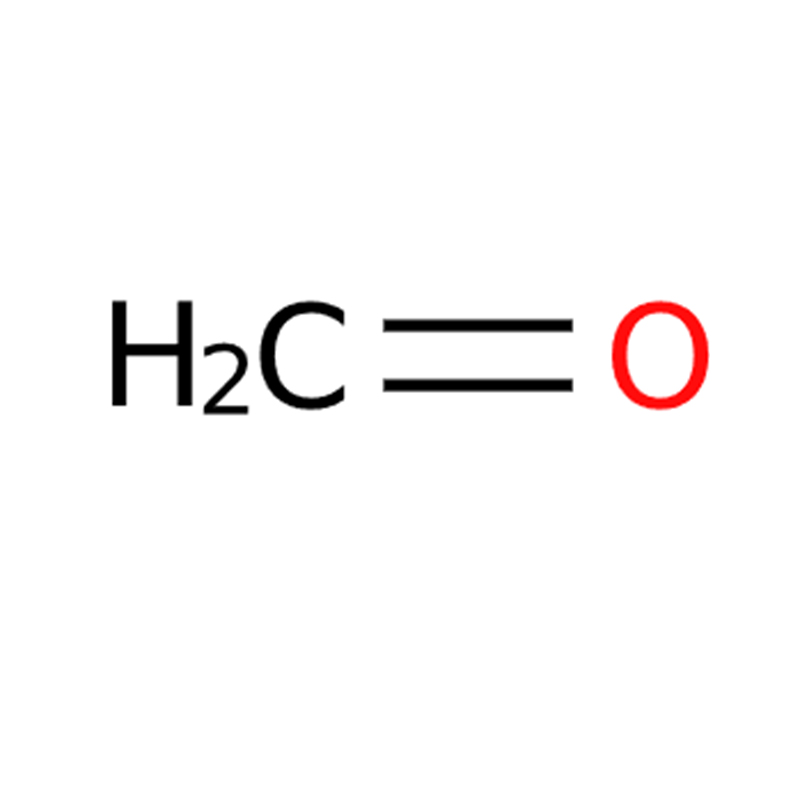
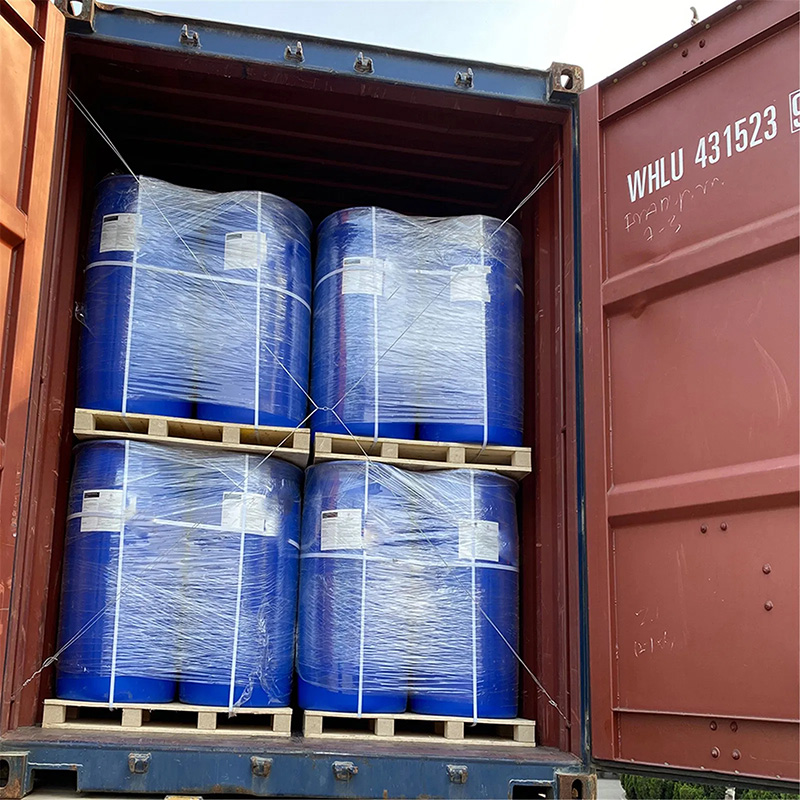
Formaldehyde CAS#50-00-0
Simple and Highly Reactive Aldehyde Compound: Formaldehyde is the simplest aldehyde molecule with active chemical properties, making it an important basic chemical raw material for various industrial applications.
Excellent Solubility Performance: It exhibits good solubility in water, alcohol, and other organic solvents, providing flexibility for different chemical processing and formulation needs.
Versatile Polymerization Capability: Formaldehyde can readily undergo polymerization to form polyformaldehyde, supporting its application in polymer and material production.
Wide Industrial Application Potential: As an important chemical intermediate, formaldehyde is widely used in industrial fields such as fuel combustion processes, manufacturing applications, decoration materials, and consumer product production.
Product Description of Formaldehyde CAS#50-00-0
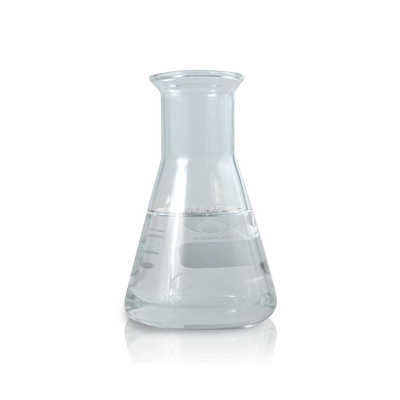
Formaldehyde is the simplest aldehyde compound, featuring high chemical reactivity and certain toxicity. At room temperature, it exists as a colorless gas with a strong, irritating odor and can readily polymerize to form polyformaldehyde.
Formaldehyde is highly soluble in water, alcohol, and other organic solvents. In the environment, the primary sources of formaldehyde include fuel combustion, industrial processes, building and decoration materials, as well as various consumer products.
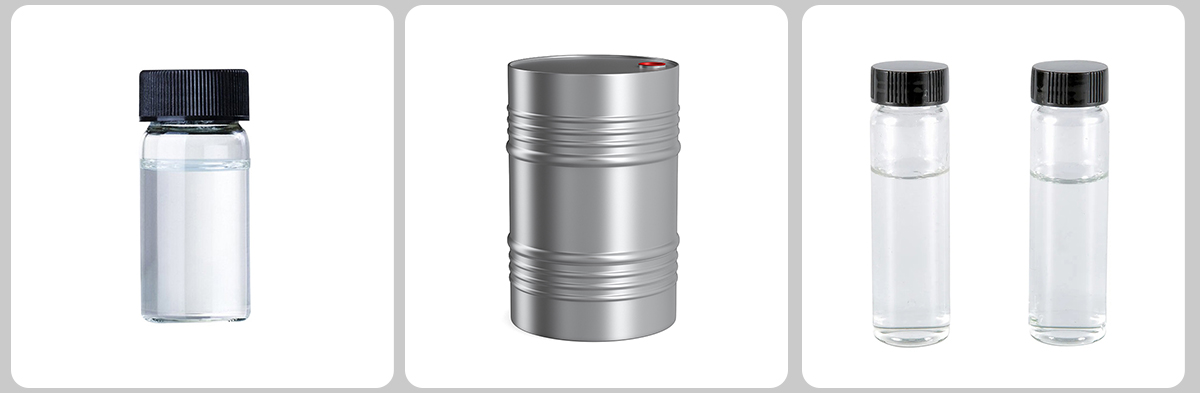
Formaldehyde Chemical Properties
| Melting point | -15°C |
| Boiling point | 97°C(37% solution),-19.5°C(pure) |
| density | 1.09 g/mL at 25 °C(lit.) |
| vapor density | 1.03 (vs air) |
| vapor pressure | 52 mm Hg ( 37 °C) |
| refractive index | n20/D 1.377 |
| Fp | 133 °F |
| storage temp. | room temp |
| solubility | water: soluble |
| form | Solution |
| pka | 13.27(at 25℃) |
| color | APHA: ≤10 |
| Odor | Pungent odor detectable at 1 ppm |
| PH | pH (25℃) : 7.0~7.5 |
| Odor Threshold | 0.5ppm |
| Water Solubility | soluble |
| λmax | λ: 260 nm Amax: 0.01 |
| λ: 280 nm Amax: 0.01 | |
| Merck | 144235 |
| BRN | 1209228 |
| Henry's Law Constant | 2.08(x 10-7 atm?m3/mol) at 25 °C (flow-type generation system, spectrophometry, Kanda et al., 2005) |
| Dielectric constant | 23.0(Ambient) |
| Exposure limits | NIOSH REL: TWA 0.016 ppm, 15-min C 0.1 ppm, IDLH 20 ppm; OSHA PEL: TWA 0.75 ppm, STEL 2 ppm. |
| InChIKey | WSFSSNUMVMOOMR-UHFFFAOYSA-N |
| LogP | 0.35 |
| CAS DataBase Reference | 50-00-0(CAS DataBase Reference) |
| IARC | 1 (Vol. Sup 7, 62, 88, 100F) 2012 |
| NIST Chemistry Reference | Formaldehyde(50-00-0) |
| EPA Substance Registry System | Formaldehyde (50-00-0) |
Safety Information
| Hazard Codes | T |
| Risk Statements | 23/24/25-34-40-43-39/23/24/25-68-45-68/20/21/22 |
| Safety Statements | 36/37-51-45-36/37/39-26-53 |
| RIDADR | UN 1198 3/PG 3 |
| OEB | E |
| OEL | TWA: 0.016 ppm, Ceiling: 0.1 ppm [15-minute] |
| WGK Germany | 2 |
| RTECS | LP8925000 |
| F | 10 |
| Autoignition Temperature | 424 °C for formalin containing 15% methanol |
| TSCA | Yes |
| HazardClass | 3 |
| PackingGroup | III |
| HS Code | 29121100 |
| Hazardous Substances Data Toxicity | 50-00-0(Hazardous Substances Data) |
| LD50 oral (rat) 500 mg/kg | |
| LD50 skin (rabbit) 270 mg/kg | |
| LC50 inhal (rat) 203 mg/m3 (2 h) | |
| PEL (OSHA) 1 ppm (1.5 mg/m3) | |
| TLV-TWA (ACGIH) 0.3 ppm (ceiling)(0.37 mg/m3) | |
| STEL (OSHA) 2 ppm (2.5 mg/m3) | |
| IDLA | 20 ppm |
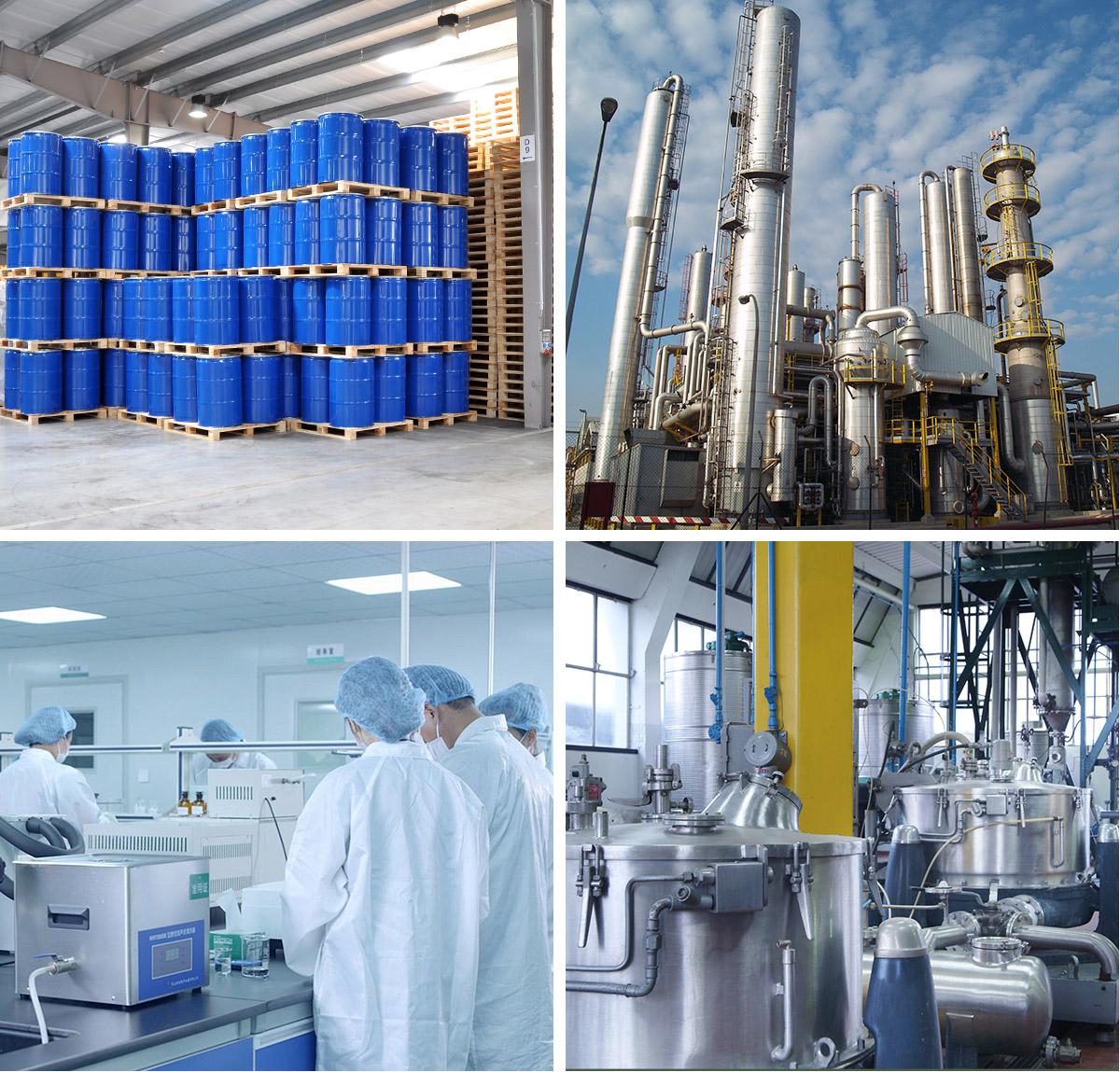
Product Application of Formaldehyde CAS#50-00-0
Formaldehyde is a strong reducing agent with effective bactericidal properties. It can be used as a disinfectant for humans, as well as an antiseptic and fumigant agent for animals.
As an important organic chemical raw material, formaldehyde is widely applied in the production of pharmaceuticals, synthetic fibers, synthetic resins, plastic preservatives, reducing agents, and other chemical products. It is primarily used in the manufacture of phenolic resins, urea-formaldehyde resins, melamine resins, and polyoxymethylene resins.
Formaldehyde is also utilized in the preparation of MDI, pentaerythritol, hexamethylenetetramine, and butanediol. In addition, it can be applied in chromatographic analysis, bactericidal disinfection, phenolic resin production, and the preservation and immersion of biological specimens.