Uses and Applications of Isopropyl Alcohol CAS#67-63-0
In the rapidly evolving chemical, pharmaceutical, and electronics industries, isopropanol, as an important organic solvent and chemical intermediate, has demonstrated significant value across multiple sectors due to its unique physical and chemical properties. From precision cleaning in semiconductor manufacturing to disinfection and sterilization in pharmaceutical production, and further to supporting the green development of environmental protection industries, the application fields of isopropanol continue to expand.
Semiconductor Manufacturing: The “Invisible Protector” for Precision Cleaning
With the continuous advancement and miniaturization of chip manufacturing technologies, semiconductor production requires increasingly higher standards for cleaning agents. Due to its moderate polarity and fast evaporation characteristics, isopropanol has become a preferred solvent for wafer cleaning and drying processes. During cleaning operations, it can effectively dissolve photoresist residues and organic contaminants while quickly removing moisture through evaporation, preventing impurities from remaining on wafer surfaces. These advantages make isopropanol an essential material for improving semiconductor production efficiency and chip yield.
Pharmaceutical Industry: A Multifunctional Agent for Disinfection, Sterilization, and Drug Synthesis
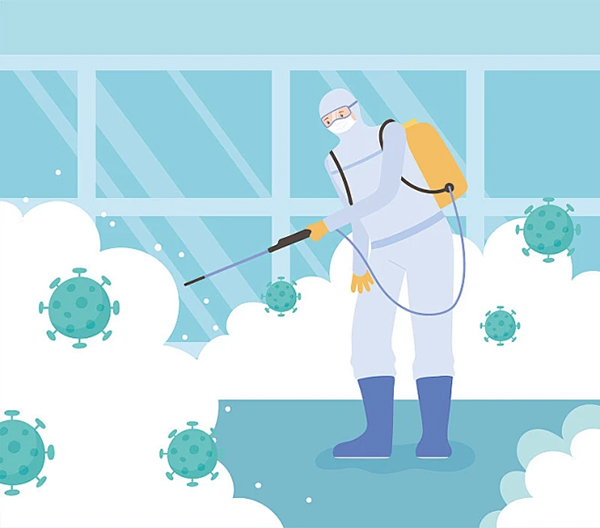
Isopropanol plays a crucial role in the pharmaceutical field. Its 70% aqueous solution is widely used for medical equipment disinfection, hand hygiene, and sterilization of pharmaceutical production environments due to its excellent antibacterial performance and safety profile. Compared with ethanol, isopropanol provides stronger effectiveness against bacteria, fungi, and viruses, while its moderate volatility allows it to evaporate efficiently without leaving residues.
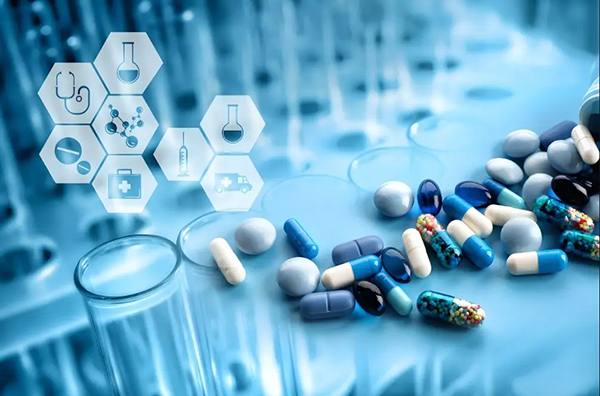
Beyond disinfection applications, isopropanol is also an important intermediate in pharmaceutical synthesis. For instance, during the production of antiviral drugs such as sofosbuvir and tenofovir alafenamide fumarate, isopropanol serves as a key raw material involved in synthesis processes. High-purity isopropanol products that meet pharmaceutical standards help minimize the influence of impurities on drug quality. In wet granulation processes, isopropanol functions as a solvent that promotes the formation of uniform drug particles, thereby improving formulation stability.
Environmental Protection Industry: A Green Solvent Supporting Sustainable Development
As global environmental awareness continues to rise, the environmental benefits of isopropanol have become increasingly evident. Compared with traditional solvents, isopropanol produces relatively lower volatile organic compound (VOC) emissions and offers good biodegradability, making it compatible with environmental regulations in many countries. In industries such as coatings, inks, and daily chemicals, isopropanol is gradually replacing more harmful solvents, including benzene-based and ketone solvents, becoming a preferred choice for greener manufacturing processes.
Domestic enterprises, including Shandong Shenyuan Chemical, are accelerating the adoption of isopropanol in areas such as new energy vehicles and electronics manufacturing by improving production technologies, lowering energy consumption, and reducing exhaust emissions. For example, in battery manufacturing, isopropanol can be used as a cleaning agent to remove oil contaminants from metal component surfaces while reducing environmental impact. The increasing use of this “green solvent” provides an effective solution for the chemical industry to achieve carbon reduction and sustainability goals.
Industry and Daily Applications: An Essential Basic Chemical Material
The industrial applications of isopropanol are extensive and diverse. As a solvent, it can dissolve resins, oils, and dyes, making it widely used in the production of coatings, adhesives, and cosmetic products. As an extraction agent, it can separate organic compounds such as antibiotics from aqueous solutions. In addition, isopropanol serves as an important chemical intermediate for manufacturing pesticides, fragrances, plastics, and other chemical products.
Isopropanol is also widely present in everyday applications. It is commonly used in automotive glass cleaners and paint care products due to its excellent cleaning and antifreeze properties. In the printing industry, it serves as a component of dampening solutions to enhance printing quality. Furthermore, isopropanol is frequently used as a chemical reagent in laboratories for analytical testing and organic synthesis reactions.
With its excellent solvency, rapid evaporation, high purity, and environmental advantages, isopropanol continues to play an important role across semiconductor manufacturing, pharmaceuticals, environmental protection, industrial production, and daily chemical applications. Its broad application potential makes it a key chemical material supporting modern industry and sustainable development.