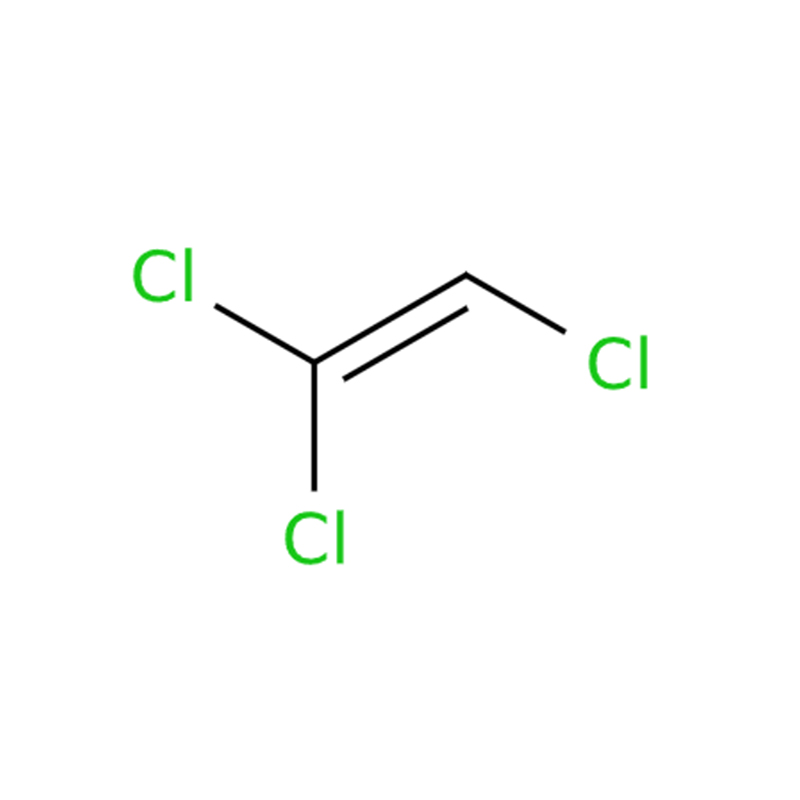
Trichloroethylene CAS#79-01-6
Strong Solvent Power – Effectively removes varnish, coating agents, and flux residues in industrial cleaning.
Excellent Degreasing Performance – High vapor pressure and a moderate boiling point make TCE suitable for metal and fiber degreasing.
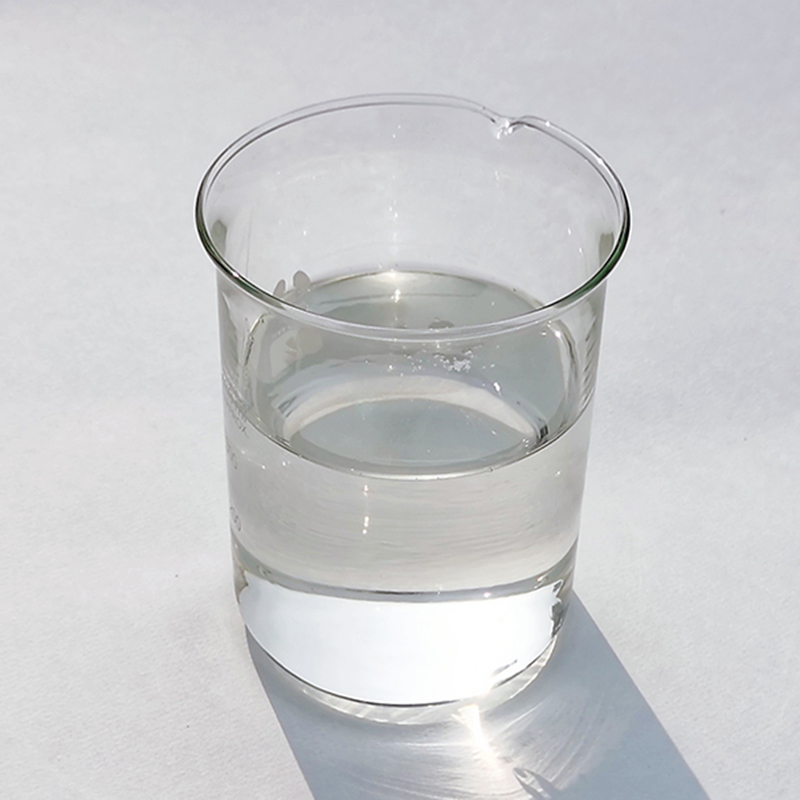
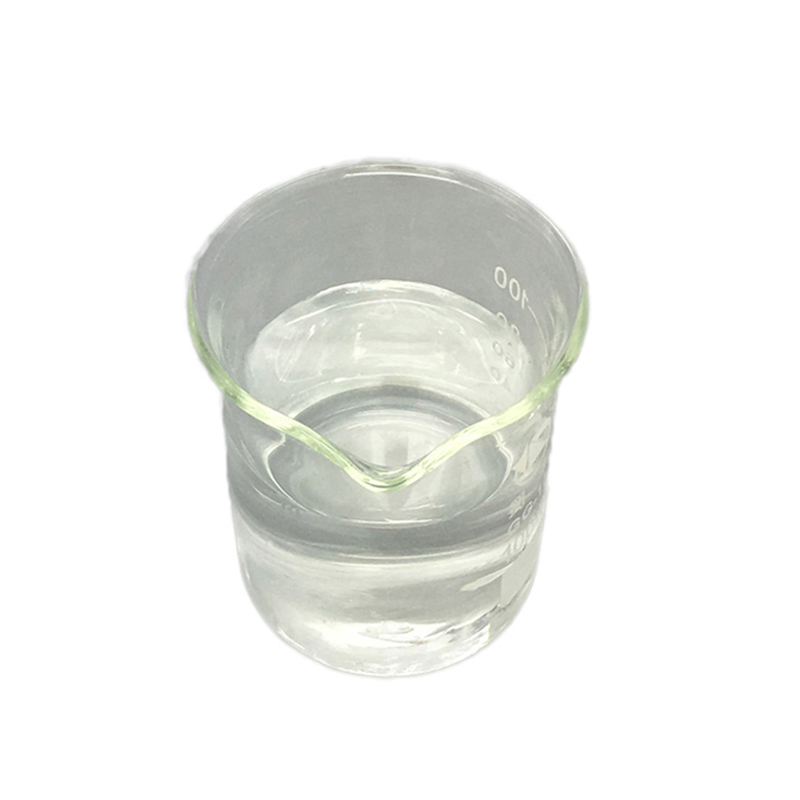
Favorable Physical and Chemical Properties – A colorless, volatile liquid with a slightly sweet odor, insoluble in water but soluble in ethanol and ether.
Versatile Industrial Applications – Used as a solvent, extractant, heat-transfer medium, and intermediate for producing various chemicals, including HCFCs and HFCs.
Products Description of Trichloroethylene CAS#79-01-6
Trichloroethylene (TCE), also known as acetylated trichloroethylene, is a colorless, volatile liquid with a slightly sweet odor. It is insoluble in water but soluble in organic solvents such as ethanol and ether, and it is non-flammable under normal conditions. With its moderate boiling point, high vapor pressure, and good stability, TCE is widely used in industrial metal cleaning, degreasing, fiber degreasing, and gas-washing operations.
Due to its strong solvent power, TCE effectively removes stubborn contaminants, including semi-hardened varnish, coating polishing agents, and thick flux residues. It is also used as an extractant, solvent, and low-temperature heat-transfer medium. In addition, TCE serves as a chemical intermediate in the production of tetrachloroethylene, chloroacetic acid, dichloroacetyl chloride, octachlorodipropyl ether, HCFC-123, HCFC-124, HFC-125, and HFC-134a.
Trichloroethylene Chemical Properties
| Melting point | -86 °C |
| Boiling point | 87 °C |
| density | 1.463 g/mL at 25 °C(lit.) |
| vapor density | 4.5 (vs air) |
| vapor pressure | 61 mm Hg ( 20 °C) |
| refractive index | n20/D 1.476(lit.) |
| Fp | 90°C |
| storage temp. | 2-8°C |
| solubility | Soluble in acetone, ethanol, chloroform, ether (U.S. EPA, 1985), and other organic solvents including bromoform, carbon tetrachloride, methylene chloride, trichloroethylene, and tetrachloroethylene. |
| form | Liquid |
| color | Clear colorless |
| Odor | Chloroform-like; ethereal. |
| Odor Threshold | 3.9ppm |
| Water Solubility | Slightly soluble. 0.11 g/100 mL |
| Merck | 149639 |
| BRN | 1736782 |
| Henry's Law Constant | 3.14 at 1.8 °C, 8.47 at 21.6 °C, 19.0 at 40.0 °C, 26.5 at 50 °C, 35.8 at 60 °C, 56.6 at 70 °C (EPICS-GC, Shimotori and Arnold, 2003) |
| Exposure limits | TLV-TWA 50 ppm (~270 mg/m3) (ACGIH), 100 ppm (MSHA and OSHA); TLV-STEL 200 ppm (ACGIH); ceiling 200 ppm (OSHA); carcinogenicity: Animal Lim ited Evidence, Human Inadequate Evidence (IARC). |
| Dielectric constant | 3.4(16℃) |
| Stability: | Stable. Incompatible with oxidizing agents, aluminium, magnesium, strong bases, reducing agents. Light-sensitive. Reacts violently with many metals, ozone, potassium nitrate, potassium hydroxide, sodium hydroxide. |
| LogP | 2.53 at 20℃ |
| CAS DataBase Reference | 79-01-6(CAS DataBase Reference) |
| IARC | 1 (Vol. Sup 7, 63, 106) 2014 |
| NIST Chemistry Reference | Trichloroethylene(79-01-6) |
| EPA Substance Registry System | Trichloroethylene (79-01-6) |
| Hazard Codes | T,F |
| Risk Statements | 45-36/38-52/53-67-68-39/23/24/25-23/24/25-11 |
| Safety Statements | 53-45-61-36/37-16-7 |
| RIDADR | UN 1710 6.1/PG 3 |
| WGK Germany | 3 |
| RTECS | KX4550000 |
| TSCA | Yes |
| HazardClass | 6.1 |
| PackingGroup | III |
| HS Code | 29032200 |
| Hazardous Substances Data | 79-01-6(Hazardous Substances Data) |
| Toxicity | LD50 orally in rats: 4.92 ml/kg; LC (4 hrs) in rats: 8000 ppm (Smyth) |
| IDLA | 1,000 ppm |
Product Application of Trichloroethylene CAS#79-01-6
1. Cleaning Agent Applications
Trichloroethylene is widely used as a cleaning agent for metal parts and electronic components. Its applications span industries such as color televisions, refrigerators, automobiles, air conditioners, precision machinery, and microelectronics.
2. Chemical Intermediate Applications
Trichloroethylene is an important chemical intermediate. Industrially produced downstream products in China include tetrachloroethylene, hexachloroethane, dichloroacetyl chloride, octachlorodipropyl ether, and HFC-134a. Demand is driven primarily by HFC-134a production. With the rapid industrialization of HFC-134a manufacturing in China, the share of trichloroethylene used as a chemical intermediate has increased significantly.
3. Other Applications
Trichloroethylene is also used as a solvent and extractant, accounting for approximately 15% of total consumption. It is mainly used in the production of caprolactam, pesticides, and pharmaceuticals. Pesticides that use trichloroethylene as a solvent include trichlorfon and dimethoate, both widely used in China. In addition, trichloroethylene is used as a refining extractant for the pharmaceutical intermediate methoxyphthalate, and demand for this application has grown considerably in recent years.